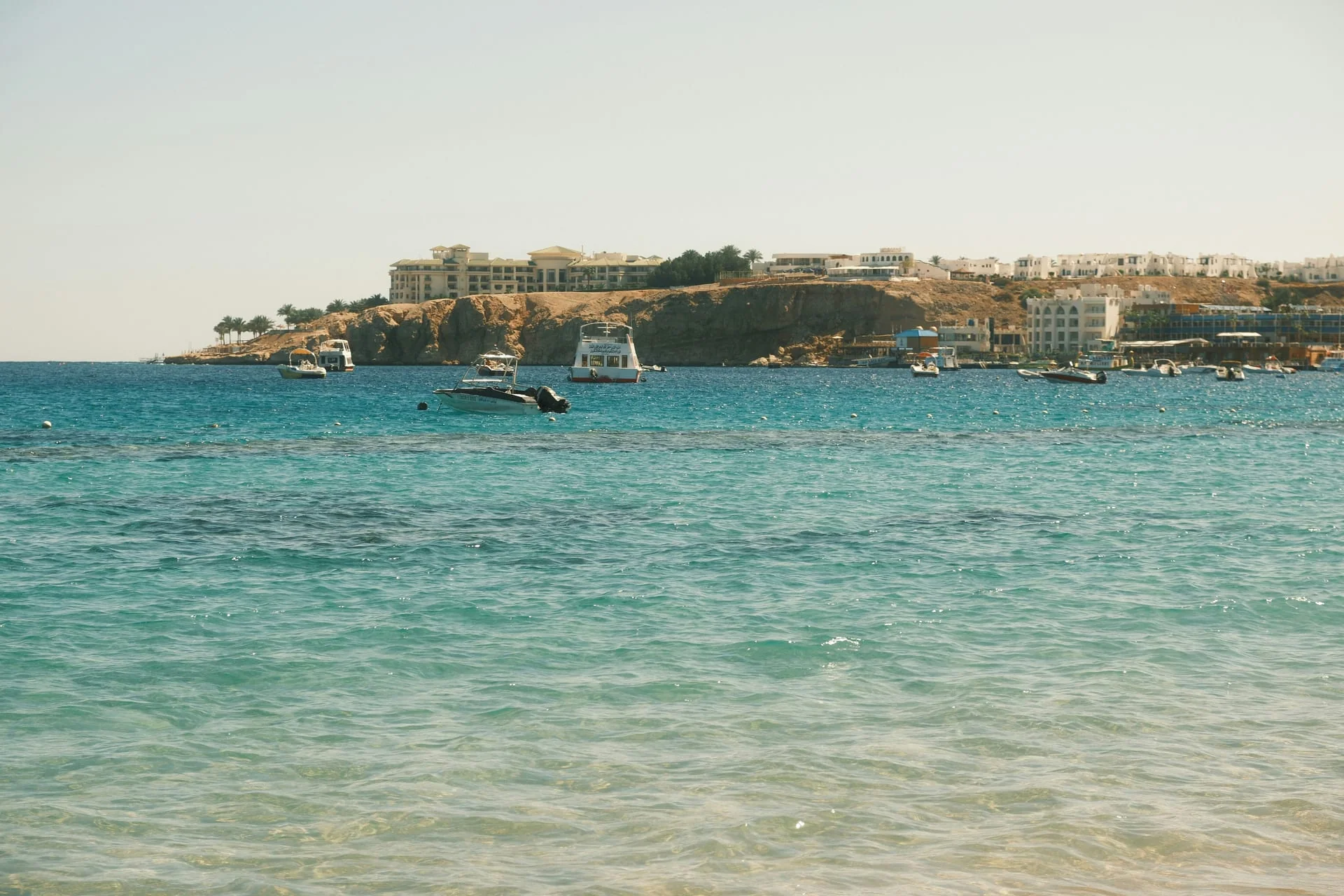
Sharm El Sheikh
The main hub of South Sinai. Diving, resorts and the reefs of southern Sinai.
The main hub of southern Sinai
Sharm El Sheikh sits at the southern end of the Sinai Peninsula and is one of the main tourism hubs of the Egyptian Red Sea. It is a big resort city now, but diving is a major part of how Sharm became what it is today. The location explains why.
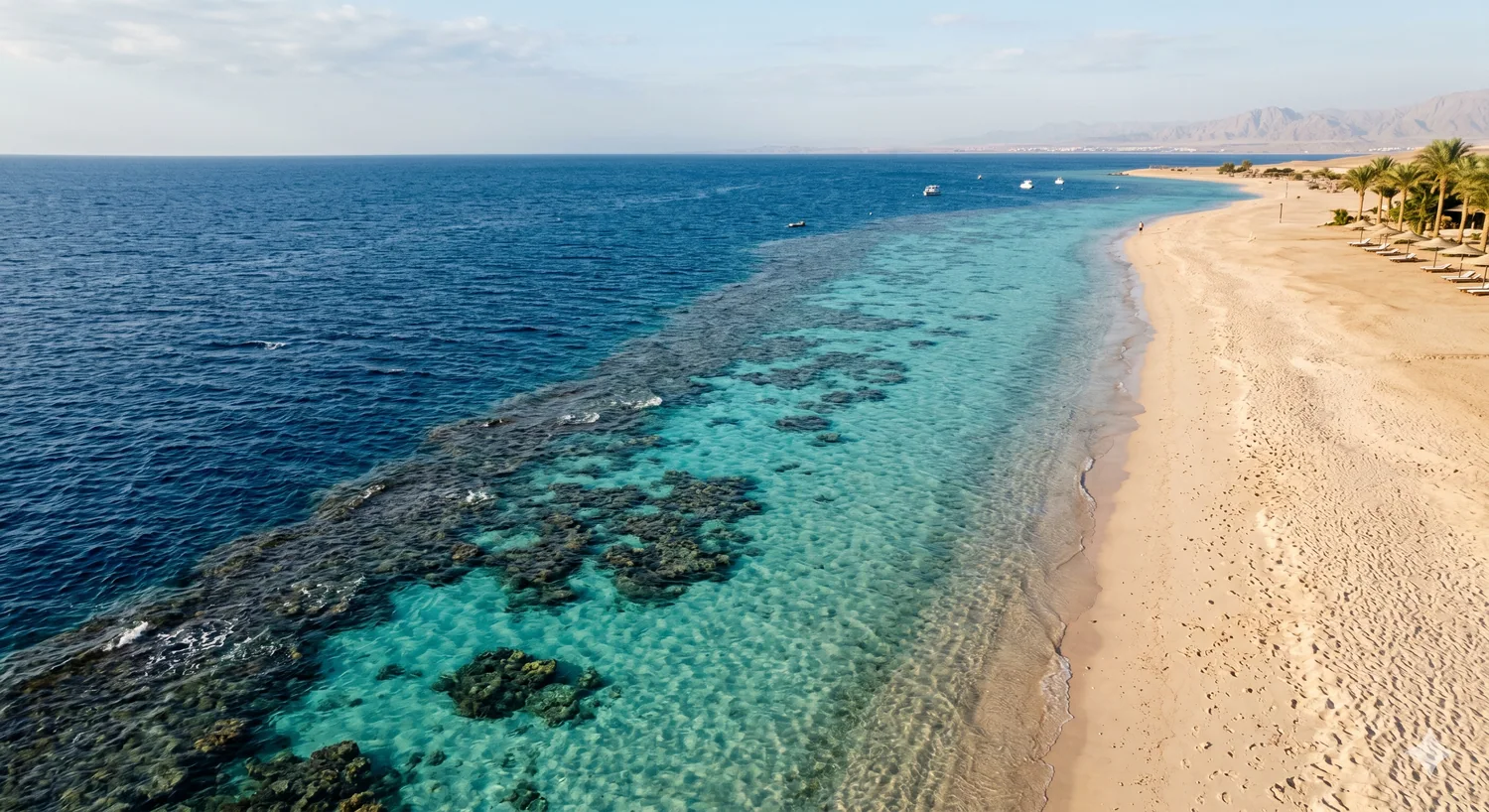
Ras Mohamed is just south of the city. The Straits of Tiran are to the northeast. Between them, Sharm has a long stretch of coastline with fringing reefs, bays and dive sites that can be reached directly from shore or by short boat trips. For divers, it is difficult to find another land-based destination in Egypt with this much variety nearby.
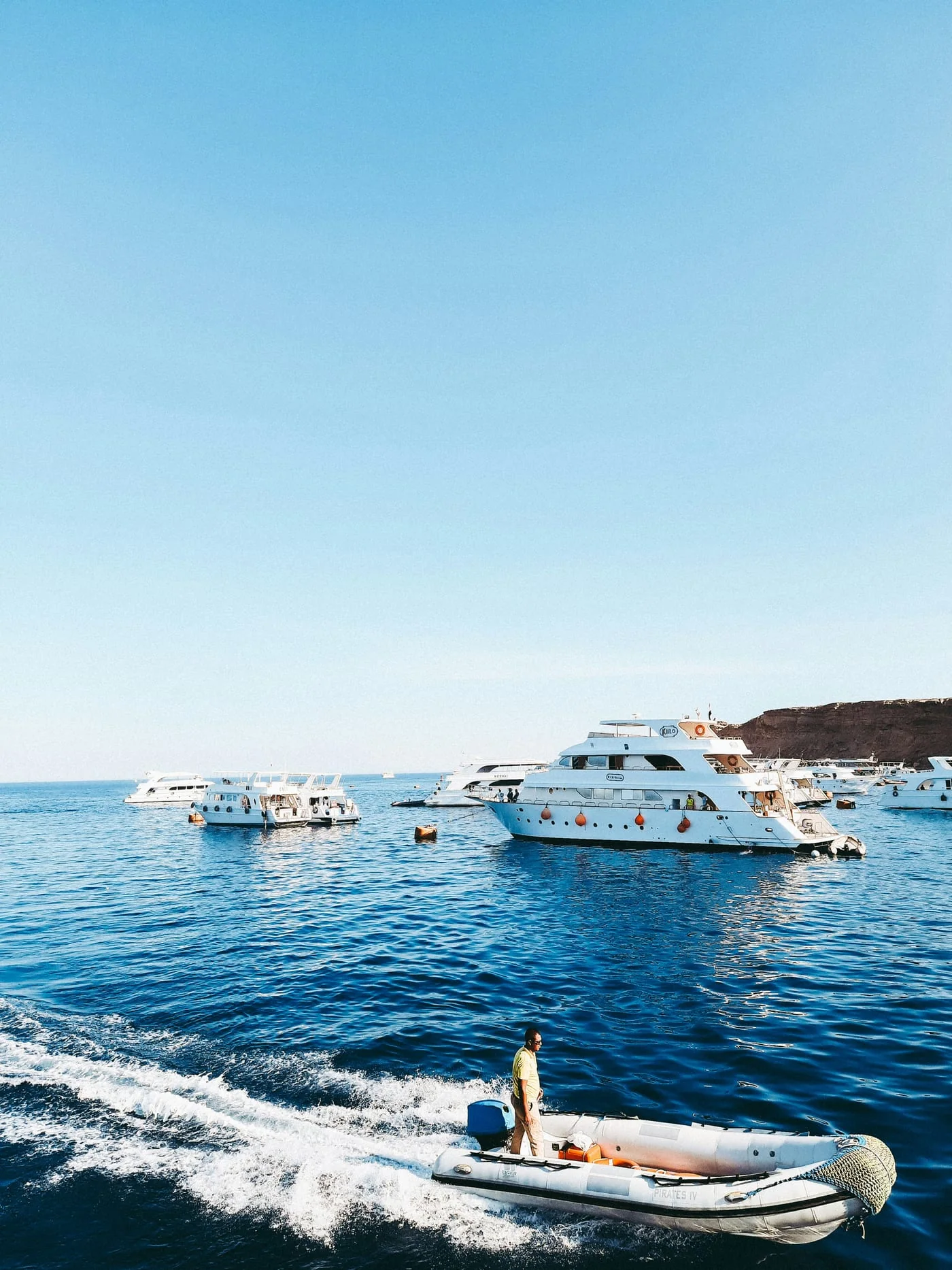
Local sites include Ras Um Sid, Ras Nasrani, Temple and the Gardens. Day boats run regularly to Shark and Yolanda Reef in Ras Mohamed and to Jackson, Thomas, Woodhouse and Gordon reefs in Tiran. The SS Thistlegorm can also be done as a long day trip from Sharm.
One of Sharm's biggest advantages is that you do not need to choose between a proper resort holiday and serious diving. Many hotels have their own house reefs, dive centres and jetties, while some of the best diving in Egypt is within day-boat range.
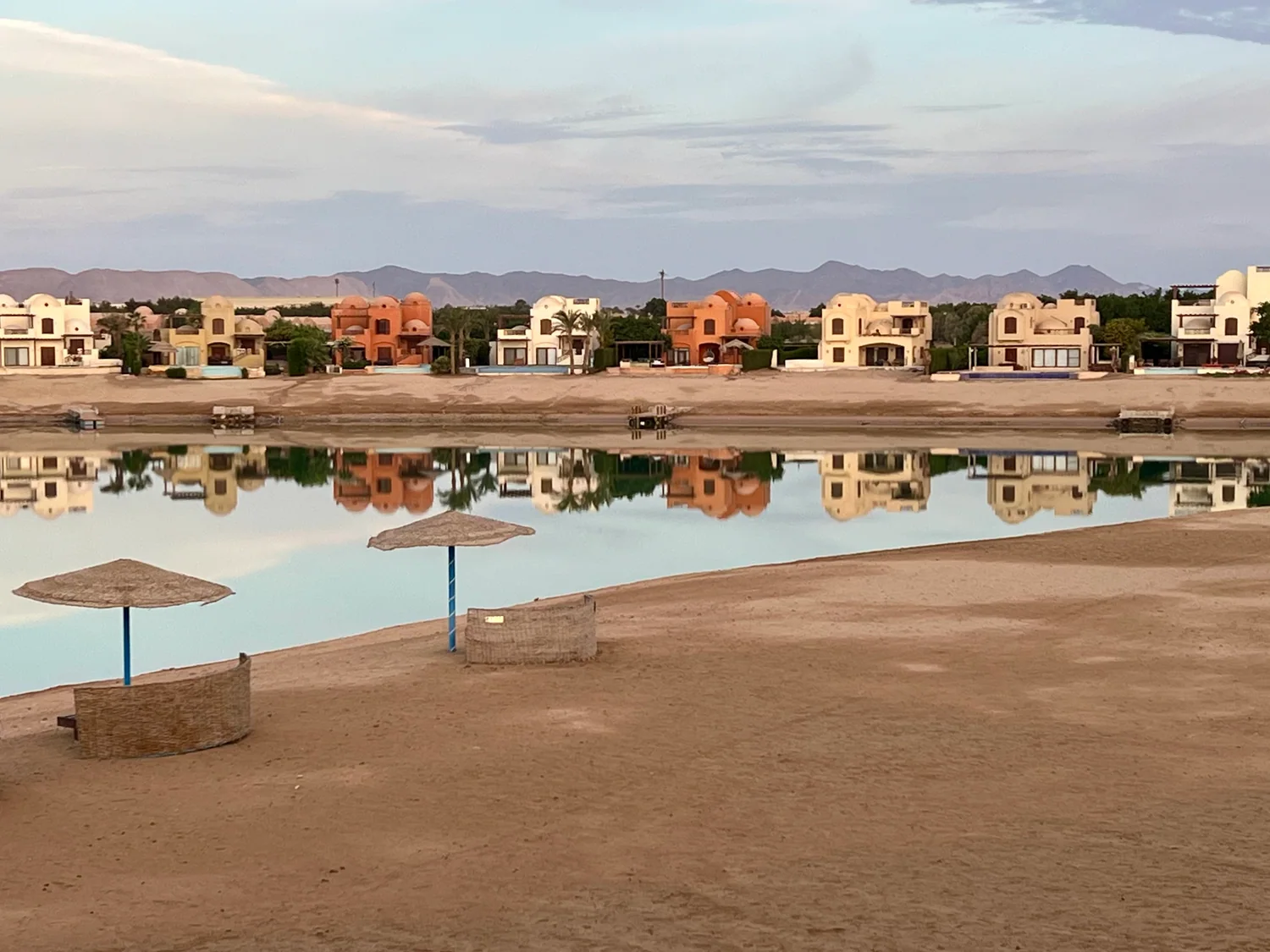
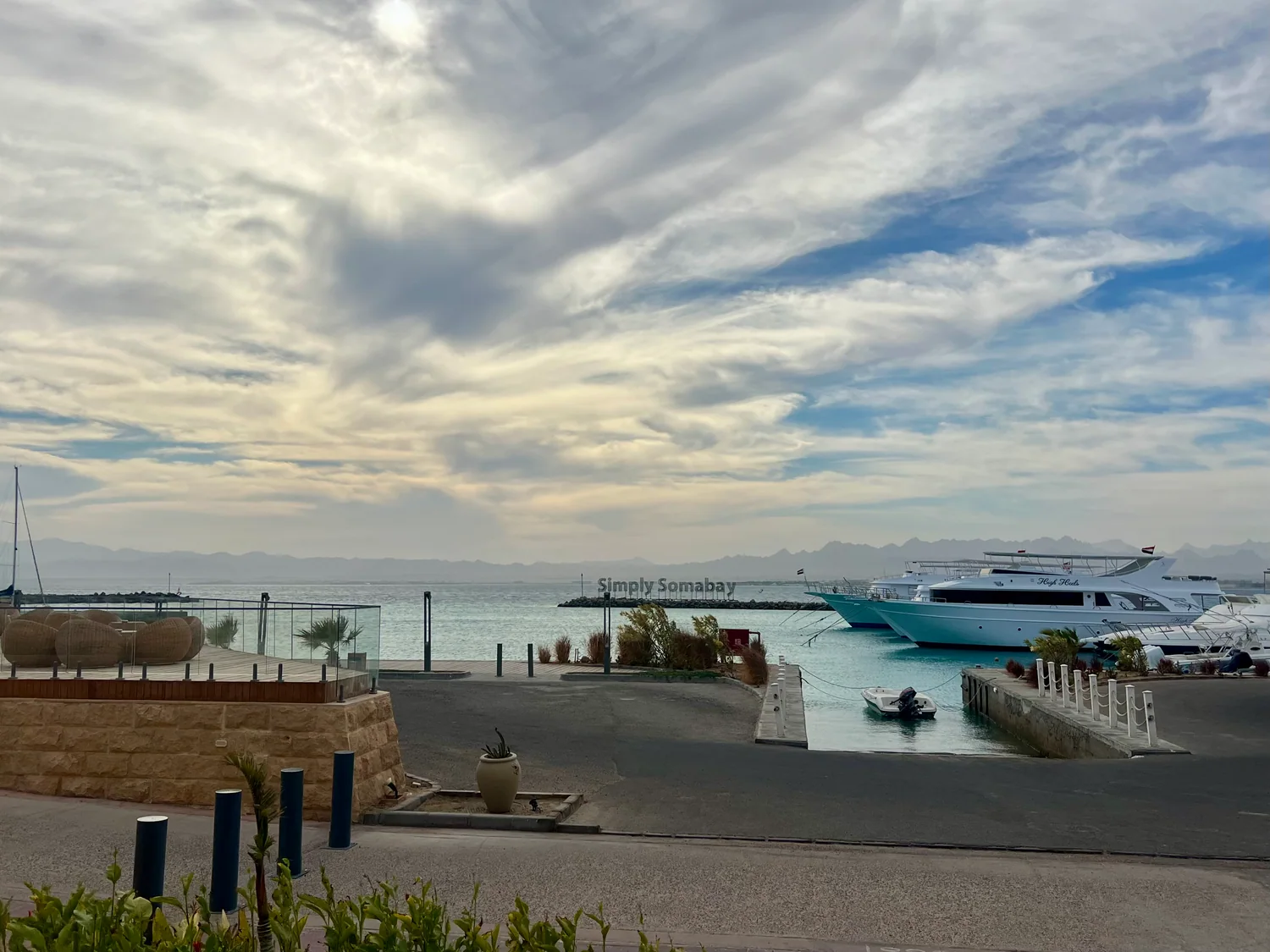
There is also much more to Sharm than diving. Naama Bay is still one of the busiest parts of the city for restaurants and nightlife. Sharks Bay and White Knight are home to some of the better high-end resorts. Hadaba sits above Ras Um Sid and is a good base for diving. The Old Market is busier and more local, while Nabq is dominated by large resorts and stretches north toward the protected area.
Choosing where to stay matters because Sharm is very spread out. A hotel in Nabq gives you a very different trip from staying in Naama Bay, Hadaba or Sharks Bay. That is probably the main thing to understand before booking.
Location matters as much as the hotel
Sharm is large enough that location matters almost as much as the hotel itself.
One of the top luxury options in Sharm, with a large private coastline, direct reef access and its own diving operation. It is also very close to the airport and SOHO Square while still feeling separate from the busier parts of the city.
A very large all-inclusive resort in Nabq. This is better suited to people who want most of the trip to happen inside the resort, with plenty of restaurants, pools, entertainment and beach facilities without needing to leave often.
The big advantage here is location. The hotel sits directly beside SOHO Square, so restaurants, cafés and nightlife are within walking distance. It also has good access to the reef and is close to the airport.
A good option for anyone who wants resort facilities but still wants to be close to Naama Bay. The hotel sits above the bay with several beaches and is much easier for walking into the main tourist centre than most of Sharm's larger resorts.
A dive centre with a hotel attached rather than a resort that offers diving. Camel has been in the centre of Naama Bay since 1986, and the rooms, the dive centre, the restaurant and the rooftop are all the same address, with the jetty a few minutes away. The right choice if the diving is the point of the trip but you still want to walk out into Naama Bay in the evening.
A large resort built down the hillside toward the sea in Sharks Bay. It has direct reef access from the jetty and views toward Tiran, while still being close to the airport and other parts of central Sharm.
Naama, Sharks Bay, Hadaba & Nabq
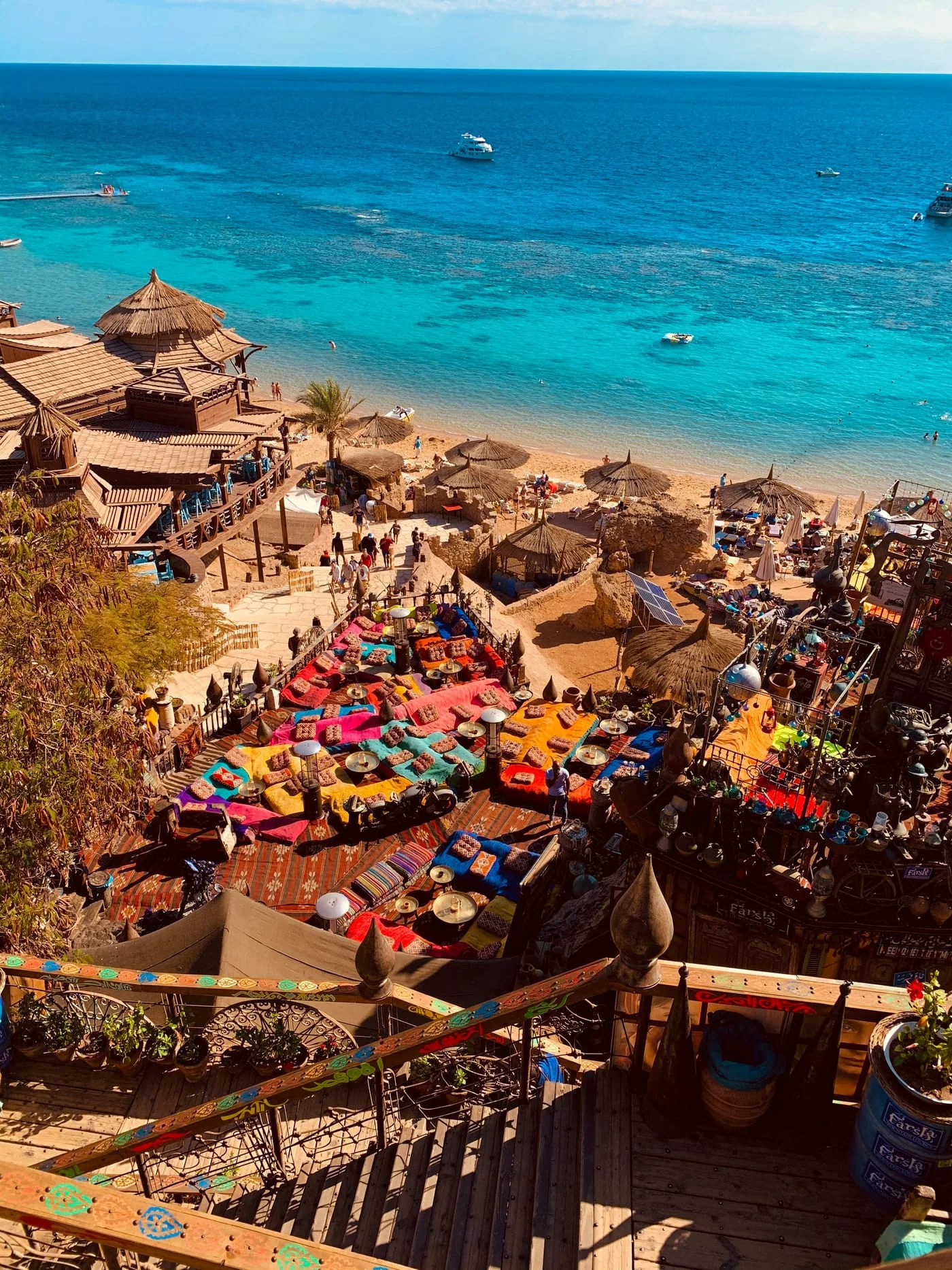
Ras Mohamed, Tiran and everything after
Still one of the main reasons to choose Sharm. There are three broad options: the local reefs along the Sharm coastline, Ras Mohamed to the south and the Straits of Tiran to the northeast. Local sites are useful for shorter dive days and include Ras Um Sid, Ras Nasrani, Temple and the Gardens. Ras Mohamed is home to sites including Shark Reef and Yolanda Reef. Tiran has four main reefs: Jackson, Woodhouse, Thomas and Gordon. Together they give Sharm one of the widest selections of day-boat diving in Egypt.
Ras Mohamed sits at the southern tip of Sinai and is an easy day trip from Sharm. Divers mainly know it for sites such as Shark and Yolanda Reef, but the national park can also be visited overland. The protected area includes desert, reef, mangroves and coastline and is worth visiting even without diving.
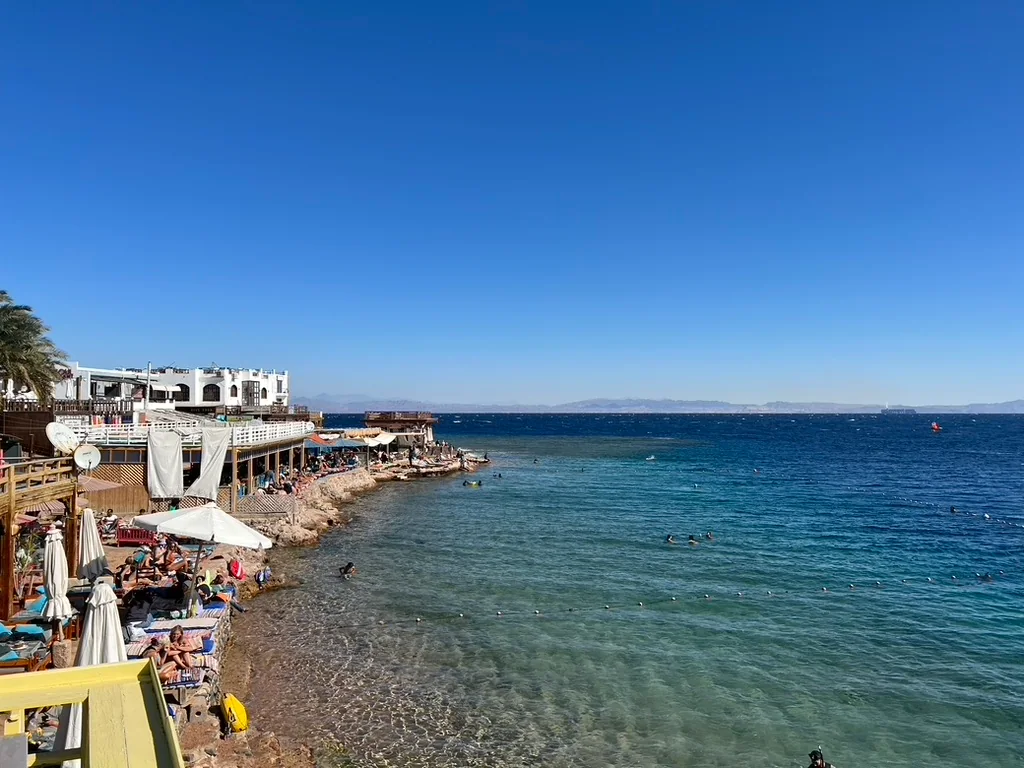
You do not necessarily need a boat to snorkel in Sharm. A lot of the coastline has shallow reef flats followed by a reef edge, and many resorts have jetties that take guests directly to deeper water. Ras Um Sid, Sharks Bay and several hotel house reefs are good options. Boat trips also run daily to Ras Mohamed and Tiran.
The Straits of Tiran sit northeast of Sharm between Sinai and Tiran Island. Most visitors experience the area on a dive or snorkelling boat. Jackson, Woodhouse, Thomas and Gordon reefs sit across the strait and are among the best-known diving areas around Sharm. On clear days, the Saudi mountains can be seen across the Gulf of Aqaba.
The SS Thistlegorm lies in the Strait of Gubal and can be done as a long day trip from Sharm. It is an early start and a lot of boat time, but it remains the wreck most divers come to Egypt for.
The Sinai mountains sit behind Sharm and there are plenty of desert trips available from the city. Most are short quad, buggy or Bedouin-style excursions. Longer trips can also be made toward St Catherine and Mount Sinai.
Sharm has more going on after dark than most Red Sea resort towns. Naama Bay has the largest concentration of restaurants, cafés, bars and clubs. SOHO Square is a more polished option around White Knight. The Old Market is better for Egyptian restaurants, cafés and a busier local atmosphere.
North of the main resort strip, Nabq changes completely. The protected area includes mangroves, reef, seagrass and desert coastline and feels very different from the developed parts of Sharm.

How to reach Sharm El Sheikh
Sharm is one of the easiest Red Sea destinations to reach because it has its own international airport. Sharm El Sheikh International Airport (SSH) sits immediately north of the main city. Sharks Bay and White Knight are particularly close. Naama Bay is usually around 10 to 15 minutes away depending on traffic, with Hadaba and the Old Market further south. Nabq stretches north from the airport.
Sharm receives domestic flights from Cairo as well as direct international flights. Flying from Cairo takes roughly one hour. Driving is possible but takes considerably longer, usually around 6 to 8 hours depending on the route, stops and traffic.
Dahab is roughly 90 kilometres north of Sharm and works very well as part of the same trip. The drive normally takes around 1.5 hours.
Sharm El Sheikh, through members’ eyes
Photos and notes from members who have been. Everything is reviewed before it goes up.
No member photos yet.
Join free to share photos and notes from Sharm El Sheikh.
No notes yet. The first one sets the tone.
Keep reading, and open the whole Atlas.
A free account unlocks every dive site guide and map, the marine life library, member reports, and the full incident log. Free to join.
Join free to keep reading