SS Thistlegorm
The SS Thistlegorm was a British armed merchant vessel launched in 1940 and sunk on the night of 6 October 1941 by German Heinkel He 111 bombers from Kampfgeschwader 26. She was at anchor in the Strait of Gubal, waiting to transit the Suez Canal, when two bombs struck Hold 4 at the stern and detonated the ammunition cargo. She sank in minutes. One hundred and thirty men were on board; nine were killed. She was 126 metres long.
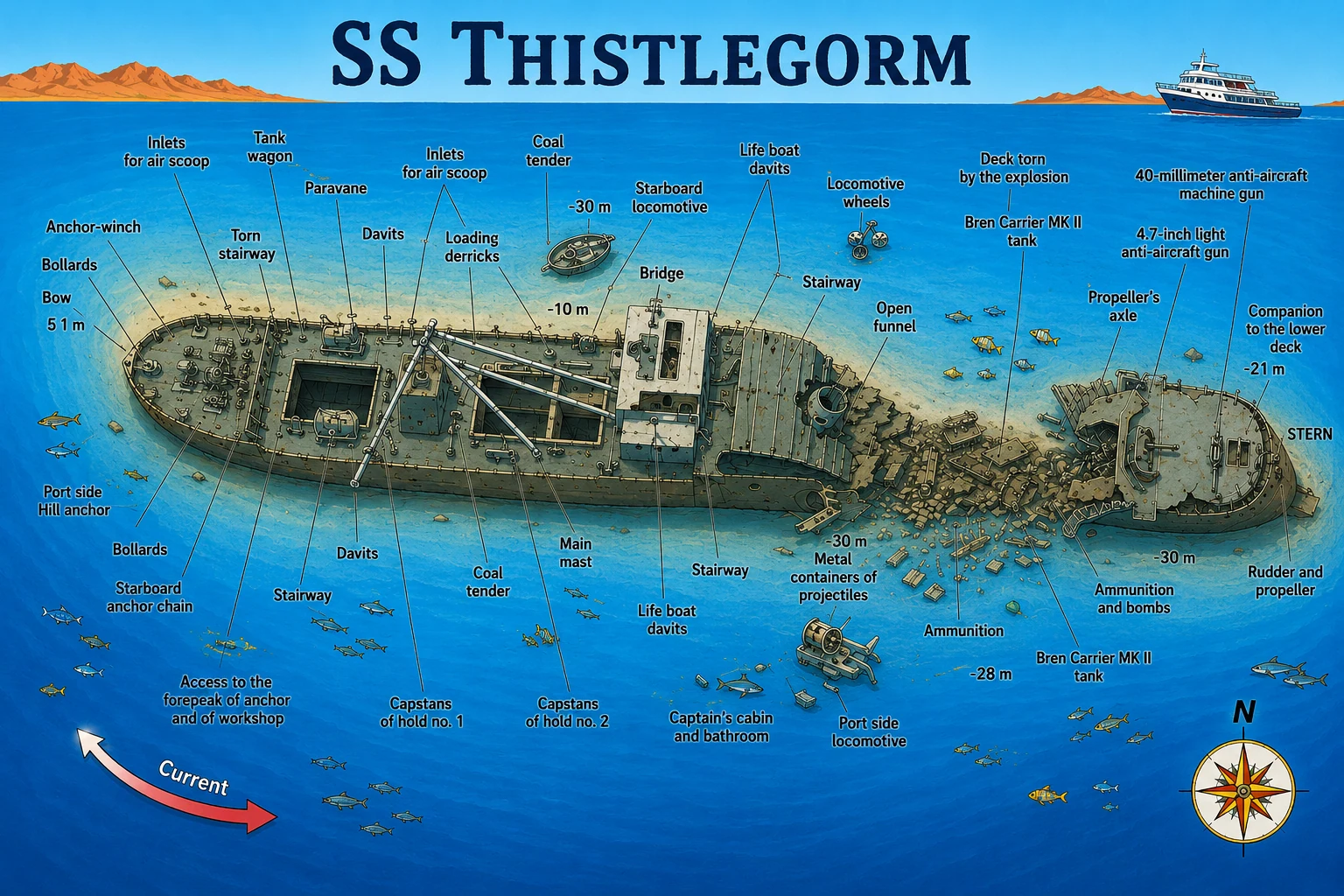
The wreck lies on its starboard side. The keel sits at 28–30m, the upper decks at 15–16m, and the mast tips reach to 5m. Jacques Cousteau found her in early 1956 on one of his early Calypso voyages, and then her location was lost again. It was not until 1991 that her precise bearings were fixed and regular recreational diving began. She is the most visited wreck dive on earth.
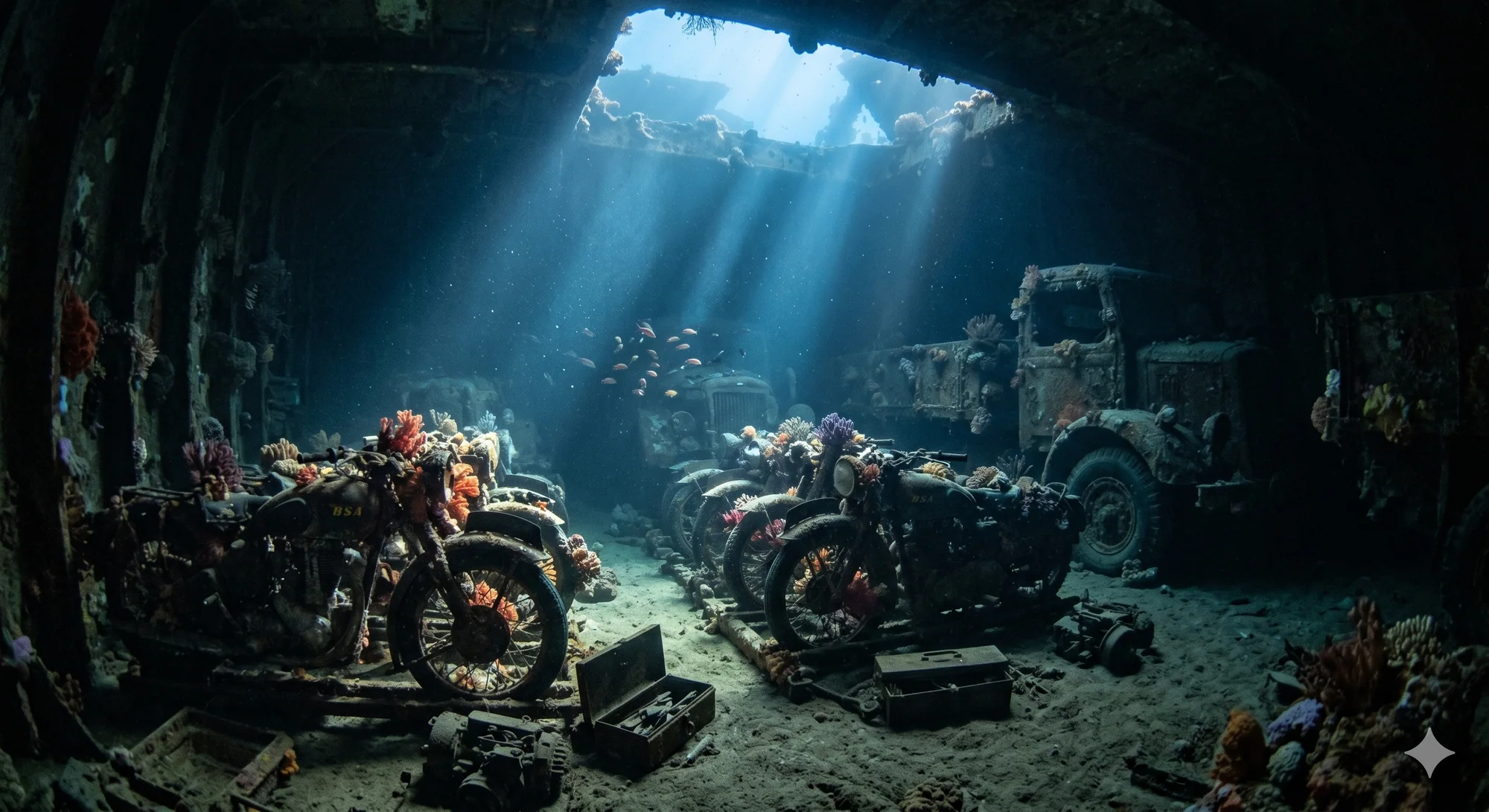
What makes the Thistlegorm extraordinary is the cargo. Hold 1 holds BSA M20 motorcycles, stacked in rows exactly as they were loaded in 1940. Hold 2 holds Bedford OY trucks, Bren gun carriers, and Lee-Enfield rifles. Hold 3 holds rubber Wellington boots, aircraft parts, and spare motorbike frames. Hold 4, the explosion point, is gone. Two steam locomotives were blown off the deck by the blast, one landed to the west of the wreck, the other is on the east side near the bow on the seabed. They are not near each other. The stern gun is still mounted.
The day boat problem is real. On a busy day, dozens of boats may be moored simultaneously. The experience of diving the Thistlegorm in 2025 is not the same as diving it ten years ago, the degradation is visible, measurable, and accelerating. The RSS documents this. The motorcycles in Hold 1 are still intact. If the volume of visitors continues unchecked, they may not be in twenty years.
The answer is to be there early. A liveaboard anchoring overnight and diving at first light gives you an hour or two on the wreck before the day boats arrive. That window is what the Thistlegorm still is, a cathedral of history on the sea floor, almost entirely intact, and completely silent.
Drop to the upper deck at 15–16m and enter Hold 1 from the forward hatch. The BSA M20 motorcycles are stacked in rows, exactly as loaded in 1940. Take time here, torch off briefly if you want the atmosphere. Move aft to Hold 2 for the Bedford trucks, Bren carriers and rifles. Watch your depth: the hold floor sits at 24–26m. Never kick the silt. Exit and work the deck before ascending along the mast.
Start at the deck midships and work aft. The stern section was destroyed by the explosion, the stern gun is still mounted on the aft deck at around 16m. The two locomotives are not together: one landed to the west of the wreck at 28–30m, the other is on the east side near the bow. Each one is the size of a small building. Plan your dive around one locomotive per dive, they are too far apart to cover both comfortably. Time your ascent carefully from 30m.
Night on the Thistlegorm is among the finest dives in the world. Glassfish pack every hold interior in densities that swallow the torch beam in silver. Lionfish hunt at the hold entrances. Octopus emerge across the hull. The wreck is completely still, no day boats, no other divers. This is a liveaboard-only dive and the reason serious wreck divers keep returning to Sharm.
Start at the mast tips at 5m and work down to the upper deck at 15–16m. The batfish gather here in formation around the mast structure in daylight. The deck still looks like a deck, ladders, hatches, fittings largely intact. A good option for a second or third dive of the day, shallower and less demanding than the holds. Also good for divers not yet comfortable with penetration.
The holds
Hold 1 is the most photographed section of the Thistlegorm. BSA M20 military motorcycles, loaded in 1940 and never delivered, sit in rows exactly as they were stacked. The hold entrance is from the upper deck at 16m; the floor sits at 24–26m. In good conditions the motorcycles are visible from the hatch before you descend. Torchlight reveals the detail, handlebars, frames, even tyre tread, intact after 80 years. This is a penetration dive. Enter with a torch, maintain buoyancy, know your exit.
- –BSA M20 motorcycles in rows
- –Original loading arrangement intact
- –Accessible from upper deck hatch at 16m
- –Hold floor at 24–26m
- –Torch mandatory, interior is dark
Hold 2 carries the heavy vehicle cargo, Bedford OY trucks, Bren gun carriers, and Lee-Enfield rifles still in their racks. The scale inside is larger than Hold 1; the trucks fill the space. The steering wheel of the forward truck is still in place. The hold floor is at 24–26m. Watch silt on the floor, one fin kick here drops visibility to zero and damages structure that has survived eight decades intact.
- –Bedford OY trucks, steering wheels still in place
- –Bren gun carriers
- –Lee-Enfield rifles in original racks
- –Larger interior than Hold 1
- –Floor at 24–26m, silt caution
Two steam locomotives were loaded on the main deck for transport to Egypt. When Hold 4 detonated, the blast threw them in opposite directions, one landed to the west of the wreck, the other on the east side near the bow on the seabed. They are not near each other. Each is a full-size locomotive, the scale disorienting underwater, heavily covered in coral growth after 80 years. Plan one locomotive per dive, covering both in a single dive means rushing. This is the deepest section of a Thistlegorm dive. Manage your bottom time.
- –Two locomotives, west side and east near the bow
- –Blown in opposite directions by the 1941 explosion
- –Deepest section, 28–30m
- –Plan one per dive, they are too far apart to combine
- –Heavy coral encrustation after 80 years
The numbers
What you need to know
Access & operators
Know the wreck before you dive it
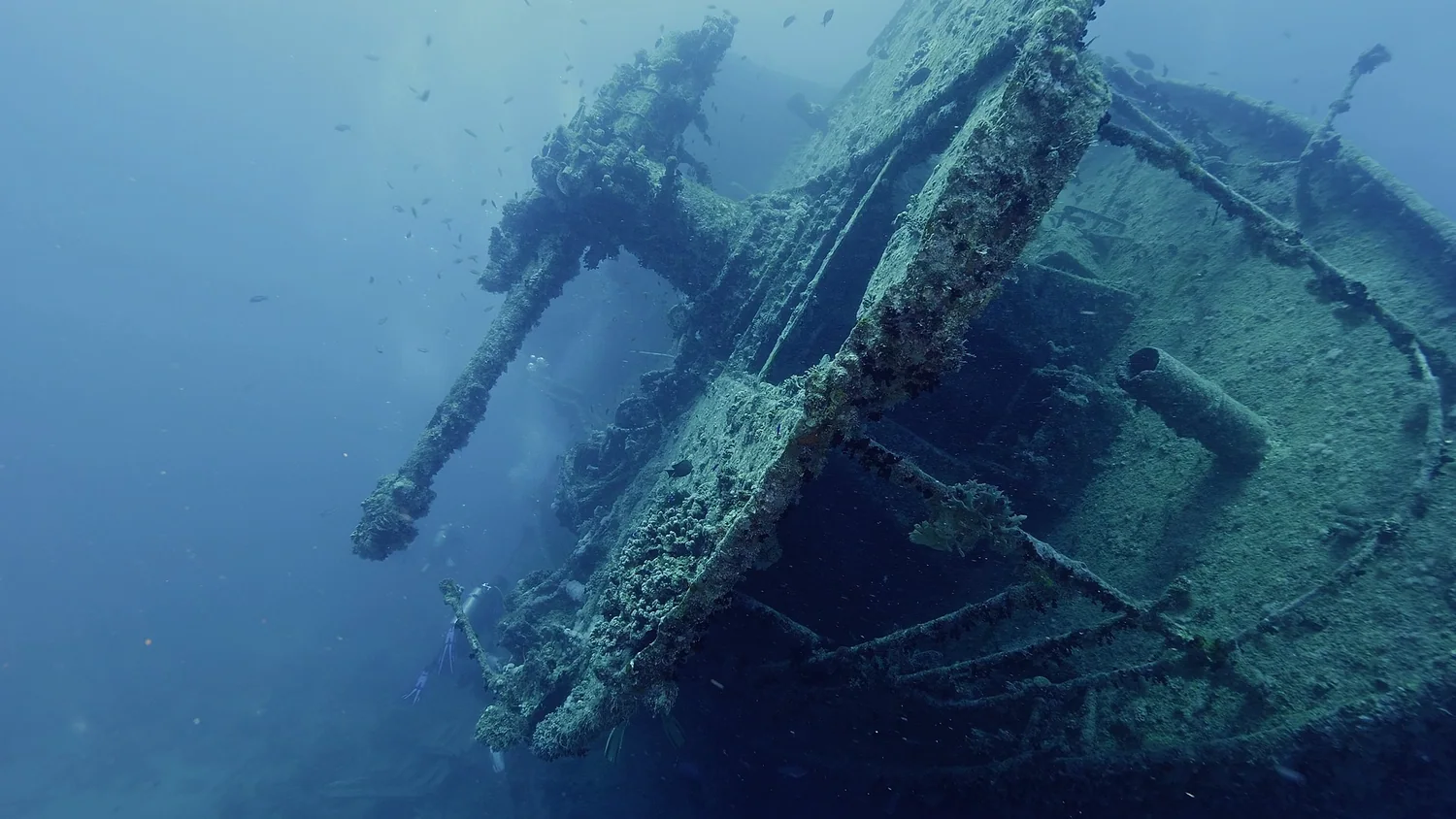 The superstructure from the seabed
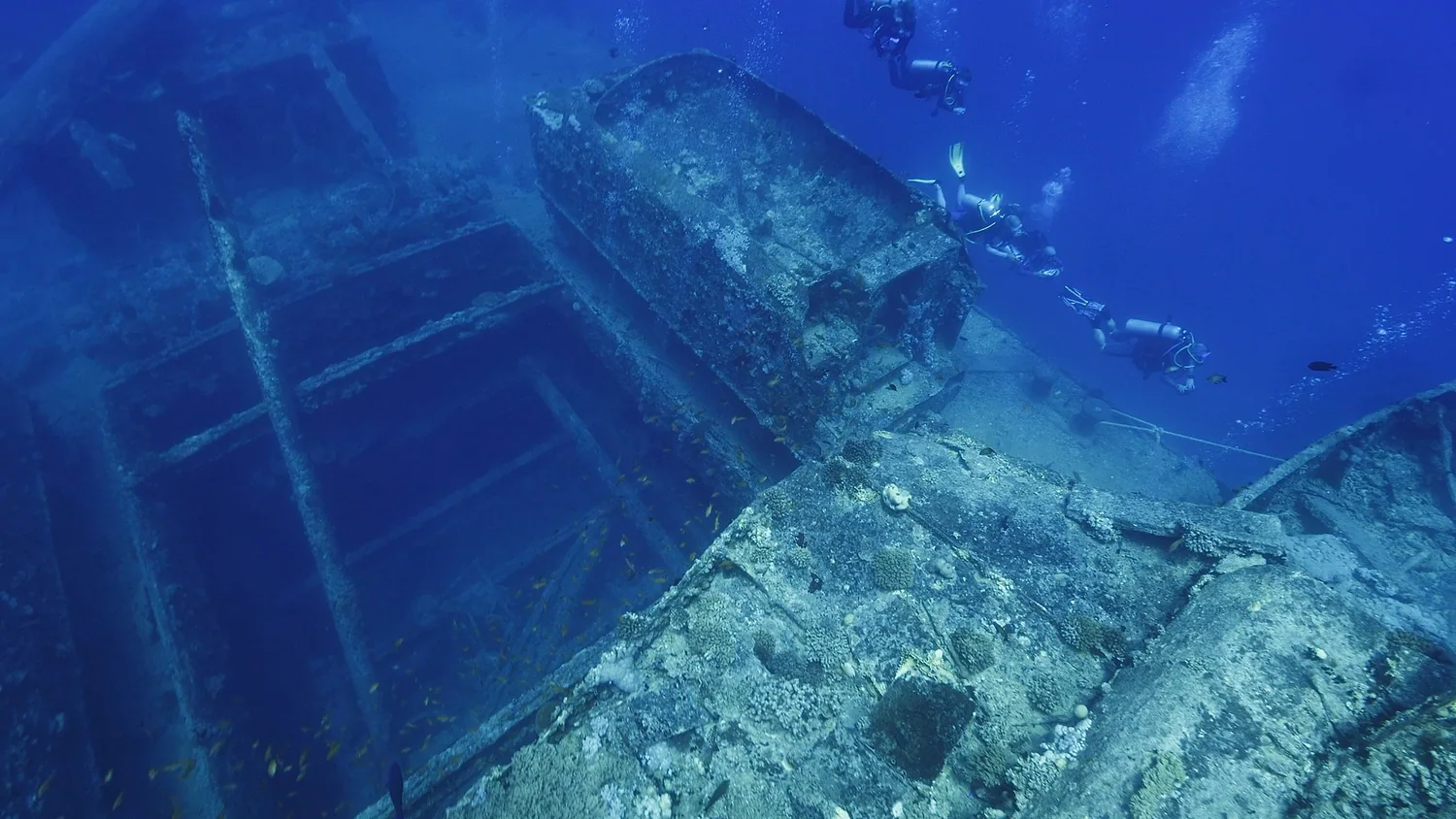 Divers crossing the holds
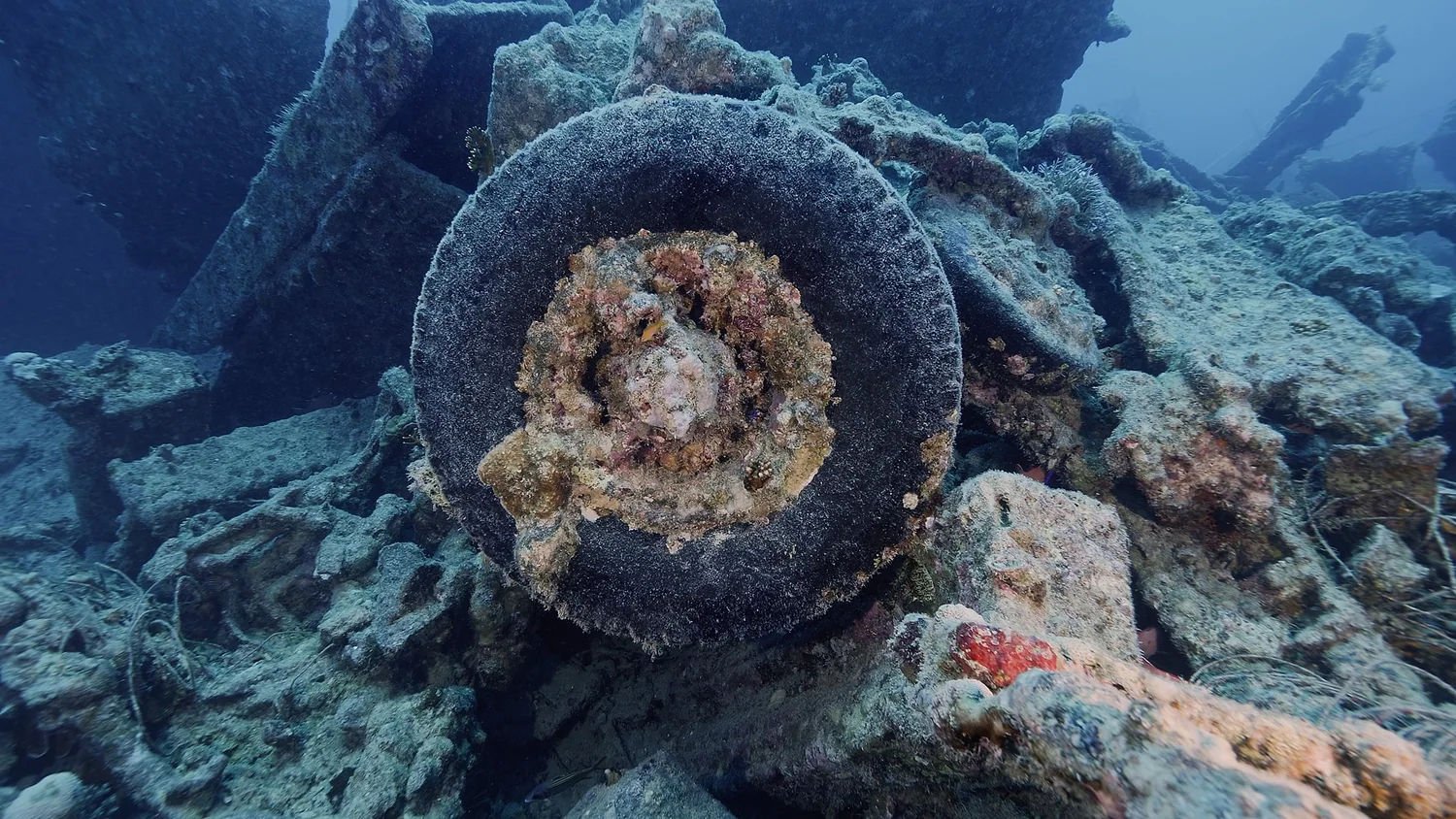 Cargo, eighty years on
Original maps created for The Red Sea Atlas · Not for navigation
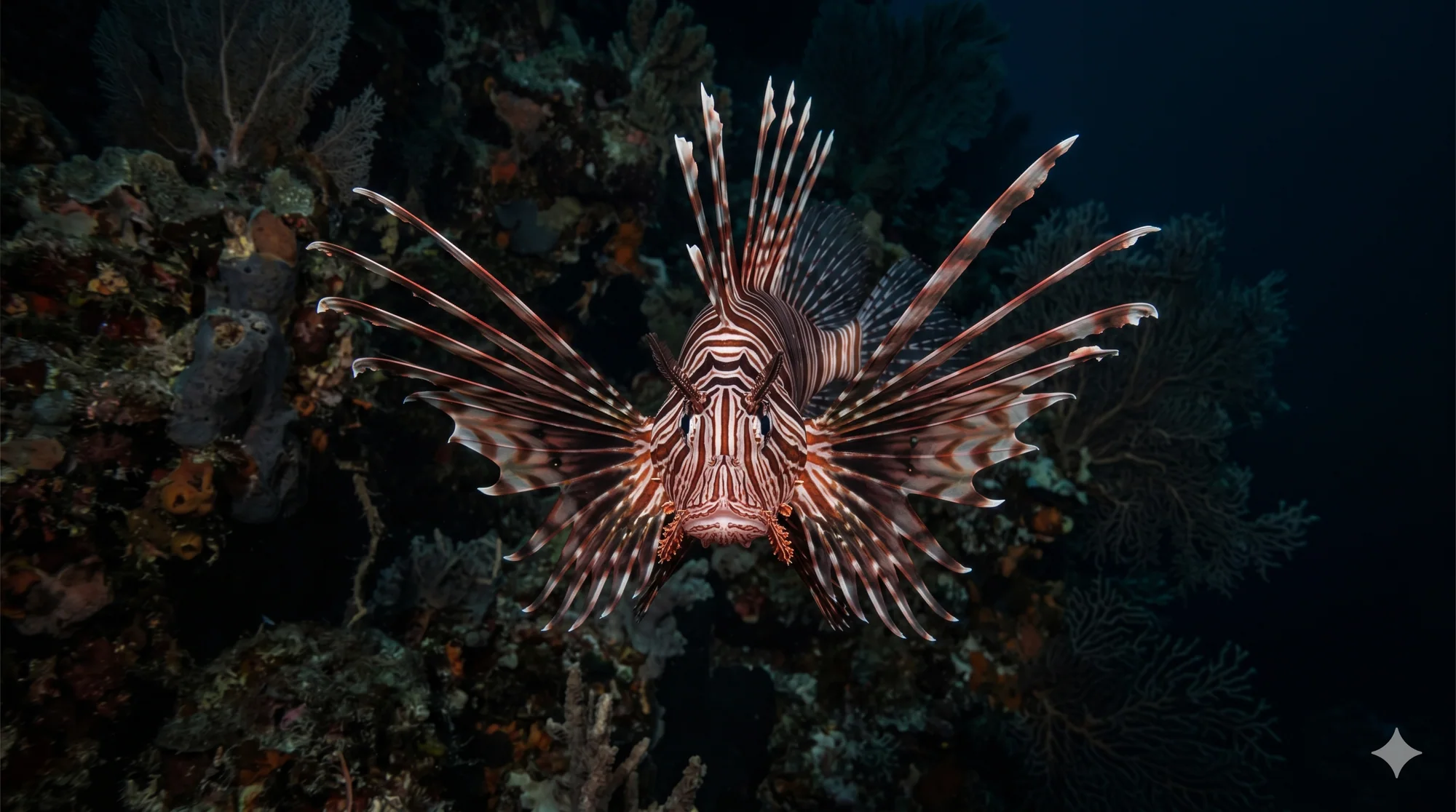
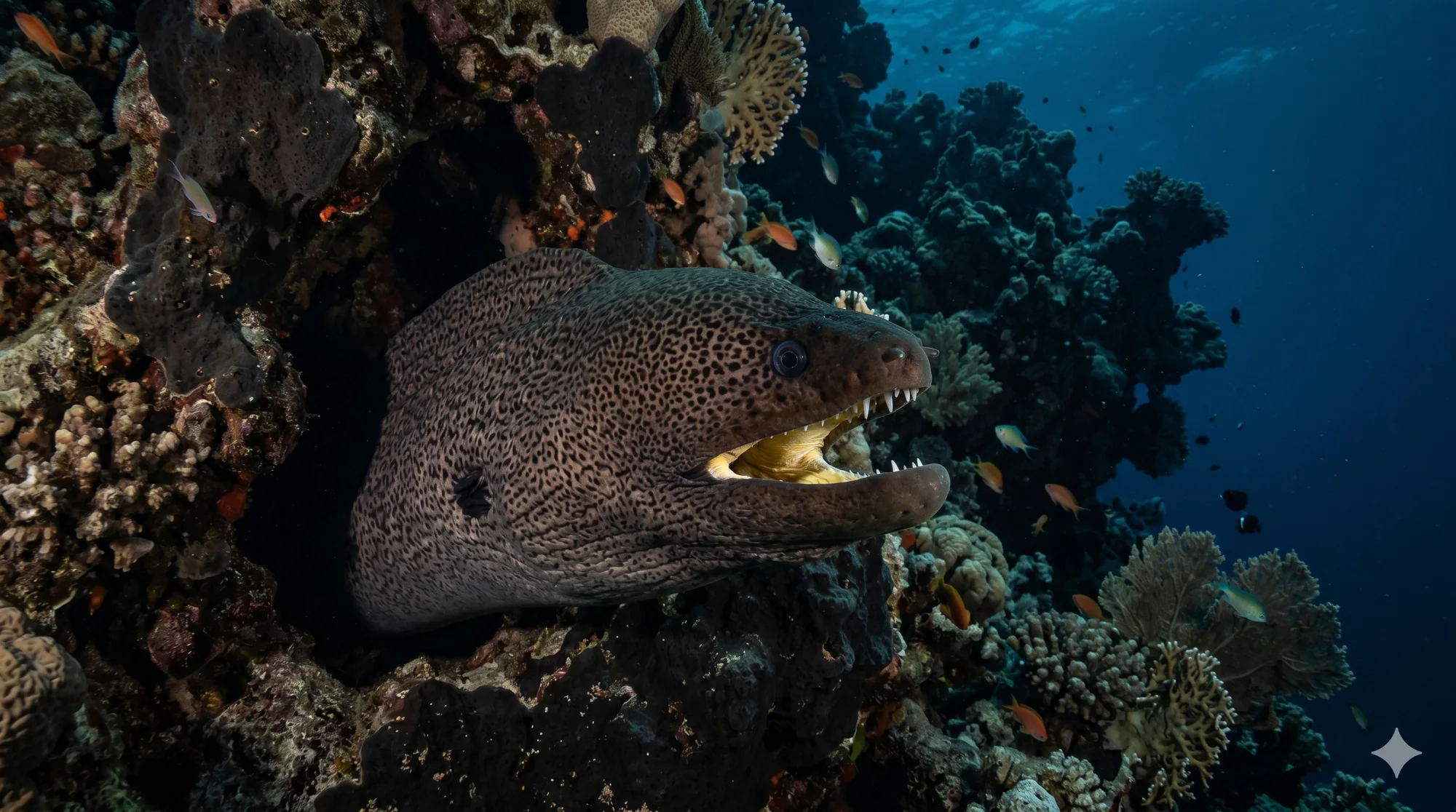
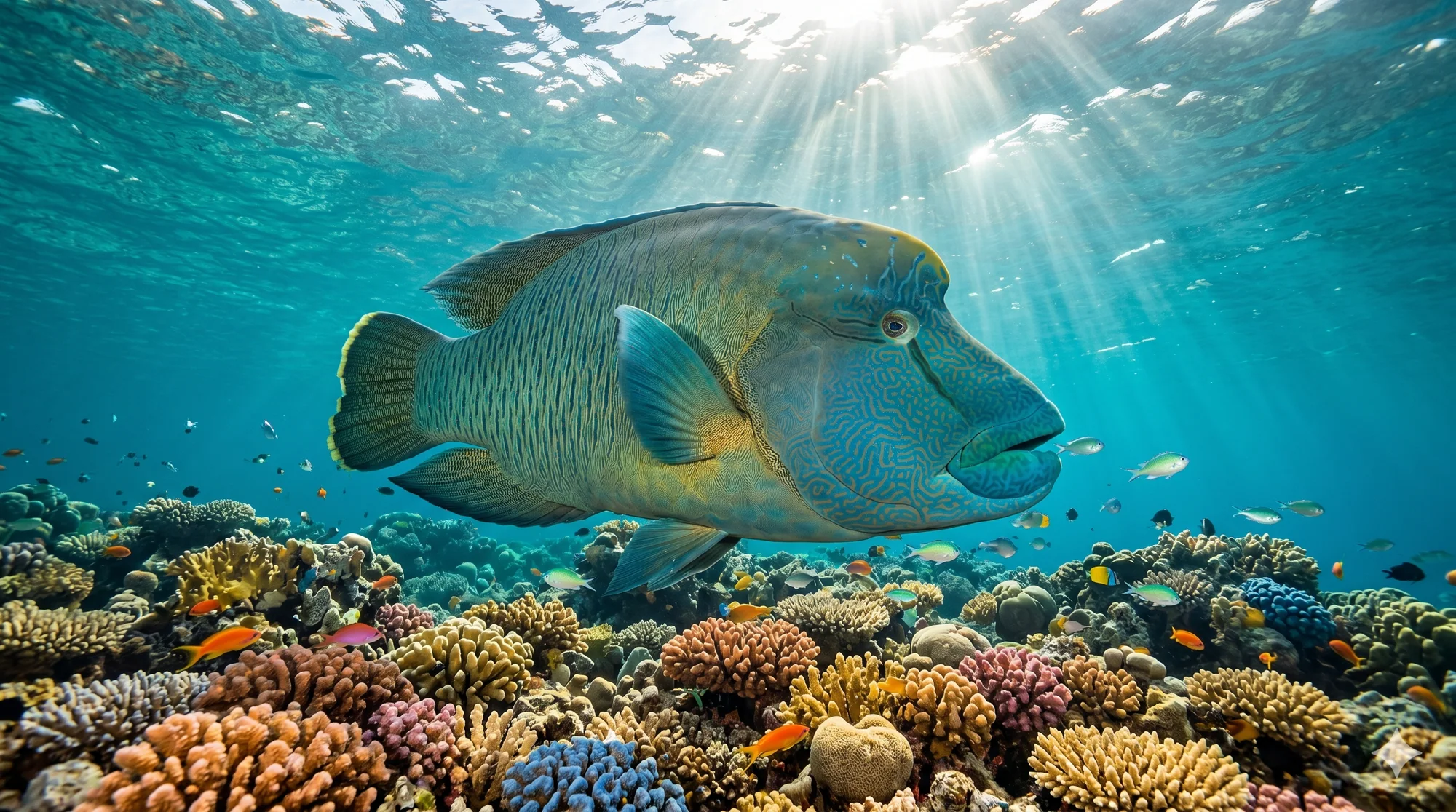
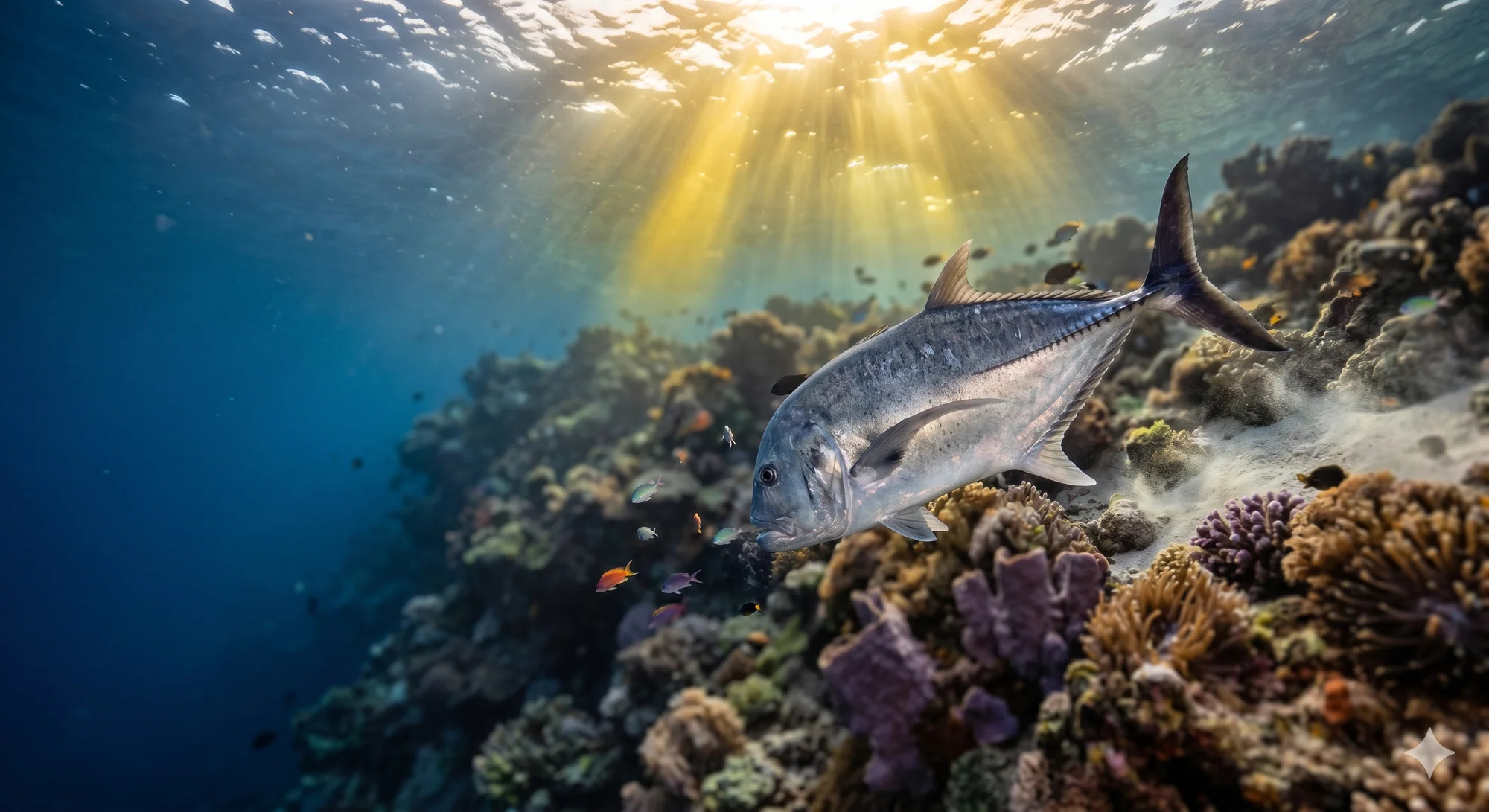
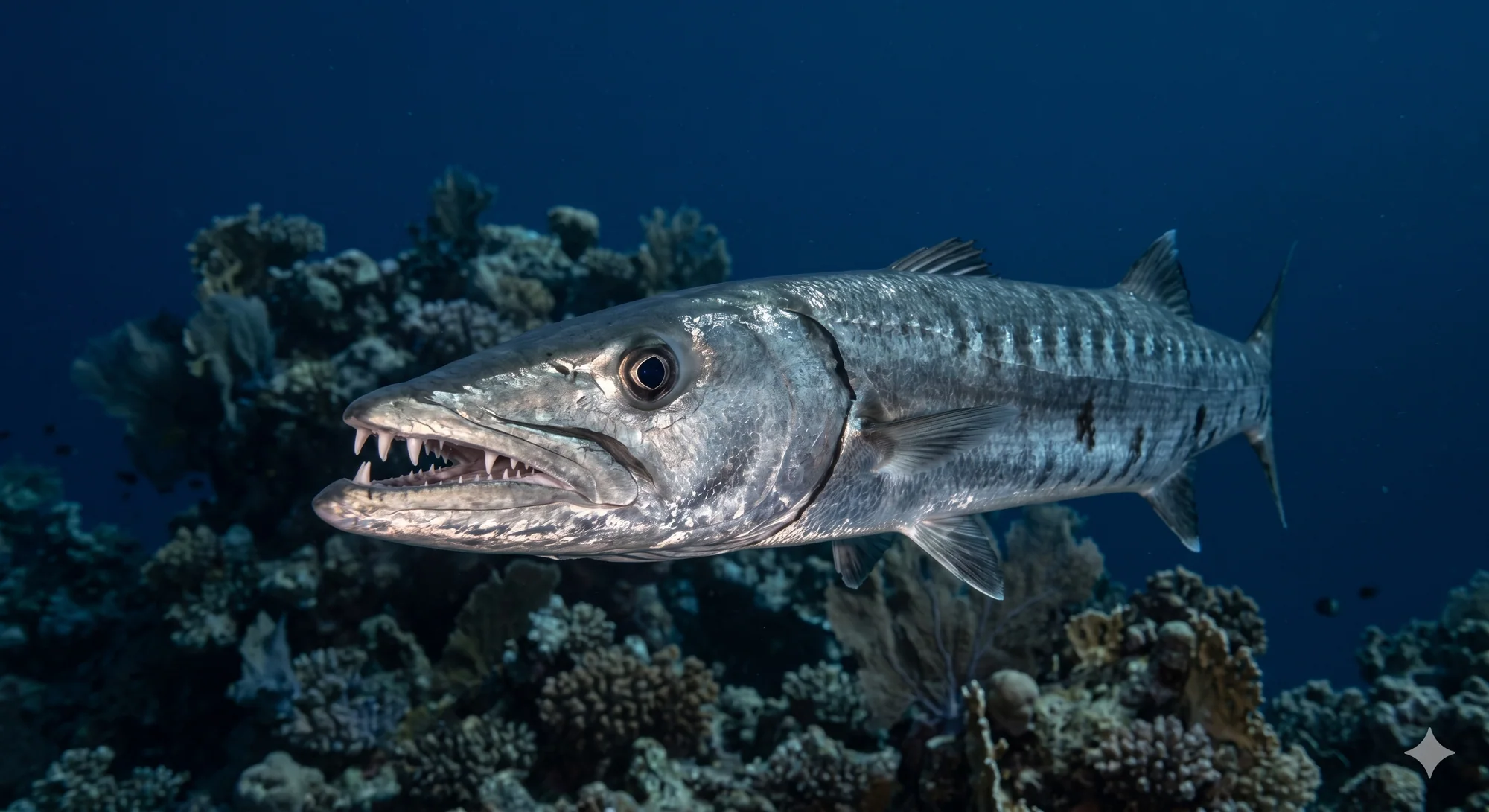

Shot at Thistlegorm
Keep reading, and open the whole Atlas.
A free account unlocks every dive site guide and map, the marine life library, member reports, and the full incident log. Free to join.
Join free to keep readingDiver Comments
Share your experience, conditions report or tips about Thistlegorm.
No comments yet, be the first to share your experience.