SS Dunraven
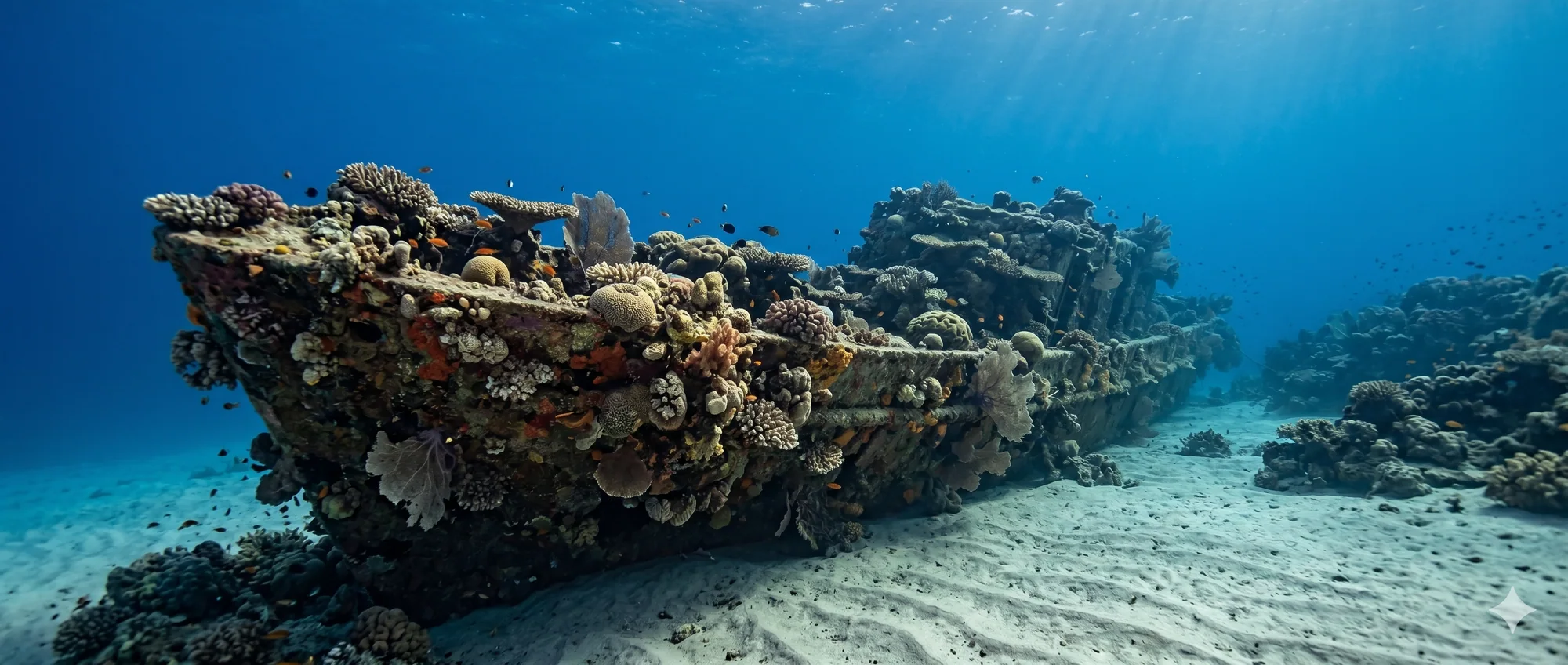
The SS Dunraven was a British steamship that struck Beacon Rock in the Strait of Gubal in 1876 and sank on the reef slope. She was carrying cotton and wool from India when she hit, a routine cargo run that ended on the reef. She is 82 metres long and lies inverted, upside down, on the reef, with the keel shallow enough to see from the surface and the deepest sections of the hull reaching 28m. The wreck was rediscovered by scuba divers in 1978, more than a century after she sank.
The inversion is what makes the Dunraven unusual. You are not swimming through a wreck, you are swimming along the underside of a hull that has become a reef. Every surface is covered: soft corals, sponges, hydroids, gorgonian fans growing down from what was once the deck. The structure has had 150 years to become part of the reef and it shows. Glassfish pack the cavities between hull sections in dense silver clouds. Lionfish and moray eels work the gaps. For macro photography, nudibranchs, flatworms, Spanish dancers on night dives, this is one of the best wreck dives in the northern Red Sea.
The Dunraven is an intermediate site. There is no demanding current, the depth is manageable, and the wreck is accessible without advanced penetration skills. It is regularly combined with the Thistlegorm on the same day trip or liveaboard itinerary, the two wrecks are close enough to dive on the same day. The contrast could not be greater: where the Thistlegorm is about cargo and history, the Dunraven is about what happens when a wreck becomes part of the reef over a century and a half.
Start at the keel, shallow, and work along the inverted hull from bow to stern at whatever depth the coral draws you. The structure is densely covered, slow down and look at what is growing on it. The cavities in the hull hold glassfish; torch in, wait, and let your eyes adjust. Lionfish and morays are in every gap. This is not a dive you rush. Work the hull, turn around, and come back along the other side before ascending.
Drop to the deeper sections of the hull at 18–28m where the boiler and engine structure are visible. The coral coverage thins slightly at depth but the structure is more dramatic. Manage your bottom time at the deeper end and work back shallower along the hull before your safety stop. Good option for a second dive after a shallower hull circuit.
The Dunraven at night is a different site entirely. Spanish dancers emerge on the hull, one of the most sought-after Red Sea sightings and reliably found here after dark. Nudibranchs, flatworms and octopus are active across the coral surface. The glassfish in the cavities are still there, now lit only by torch. Slow, close, macro-focused. One of the best night dives in the northern Red Sea.
The wreck
The Dunraven lies completely inverted, upside down on the reef slope. The keel faces upward at 8m and the hull sides slope down to 28m. Every surface is covered in 150 years of coral growth: soft corals, sponges, sea fans and hydroids have completely colonised the structure. The wreck is recognisable as a ship only in shape. Swimming along it is less like diving a wreck and more like diving a reef that happens to be hull-shaped.
- –Inverted hull, keel at 8m, sides to 28m
- –150 years of coral growth on all surfaces
- –Glassfish in hull cavities
- –Lionfish and morays throughout
- –Macro: nudibranchs, flatworms, Spanish dancers on night dives
The boiler and engine structure are visible in the deeper stern section at 18–28m. The machinery is still recognisable beneath the coral growth, cylinders, pistons, the boiler casing. Less visited than the shallower hull sections, which means the marine life here is less habituated to divers. Good option for a second dive after a hull circuit, or for divers who want to see the mechanical structure rather than just the coral.
- –Original boiler visible at depth
- –Engine structure beneath coral growth
- –Less visited than the shallow hull
- –Best combined as a second dive
- –Maximum depth 28m, manage bottom time
The numbers
What you need to know
Access & operators
Know the wreck before you dive it
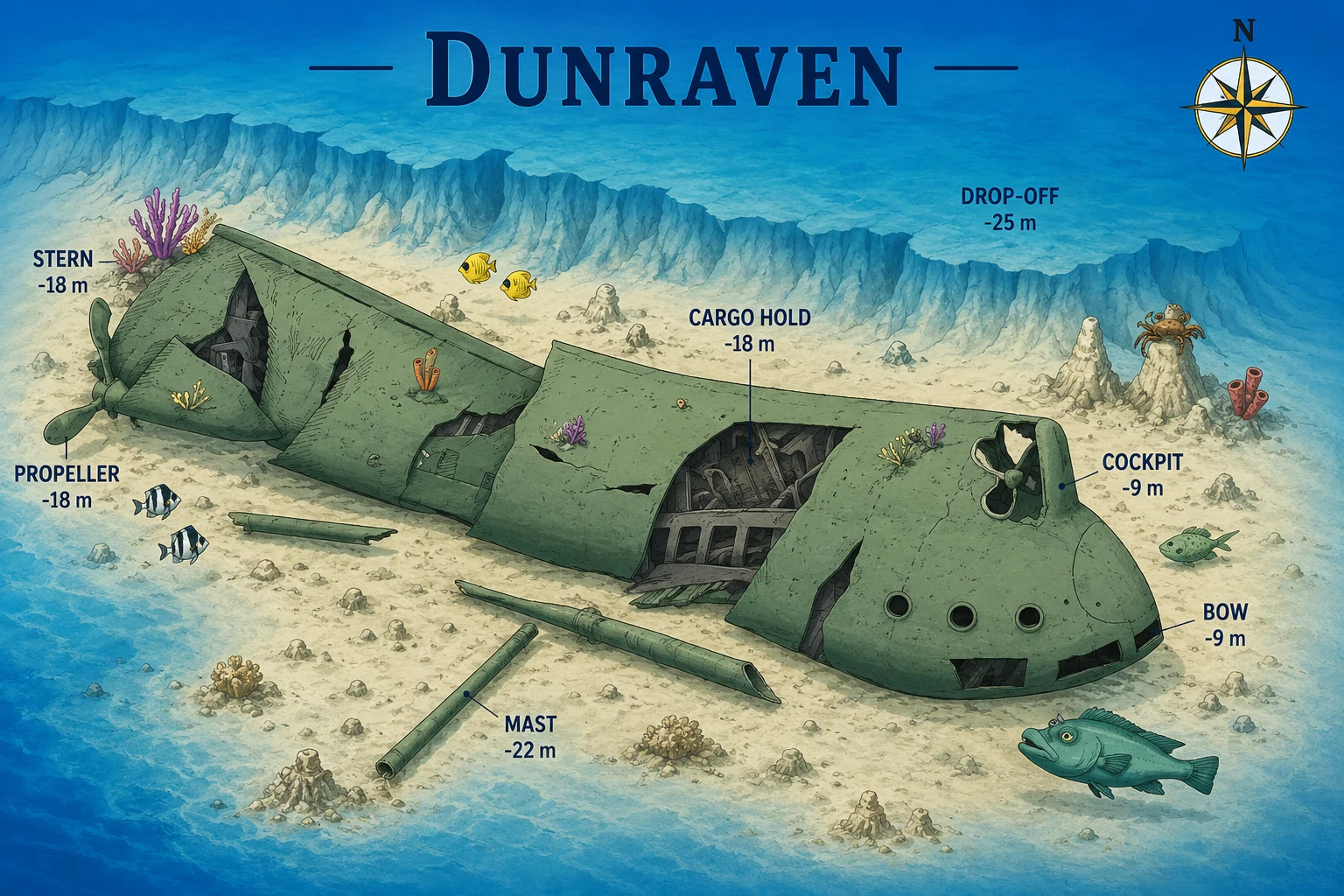
Original maps created for The Red Sea Atlas · Not for navigation
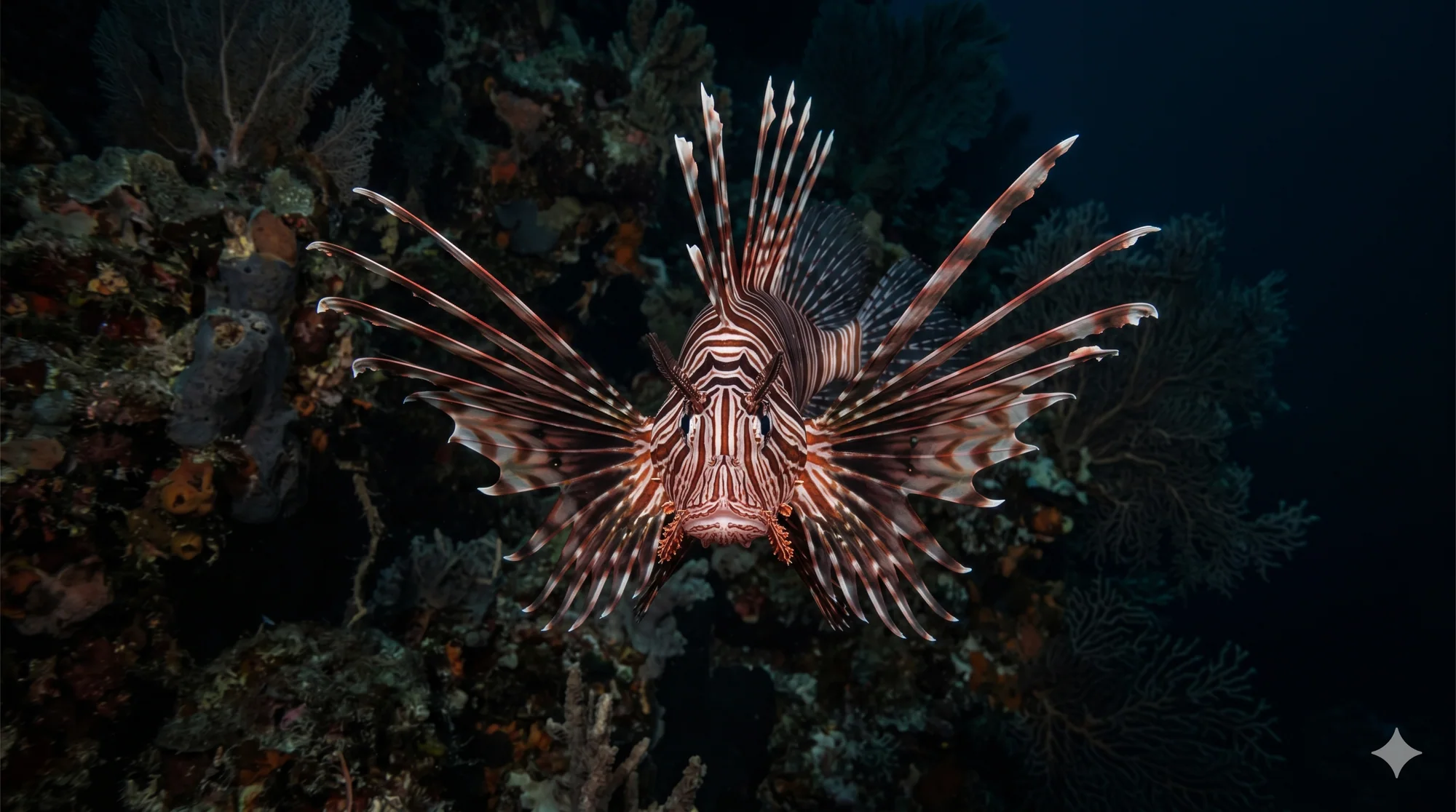
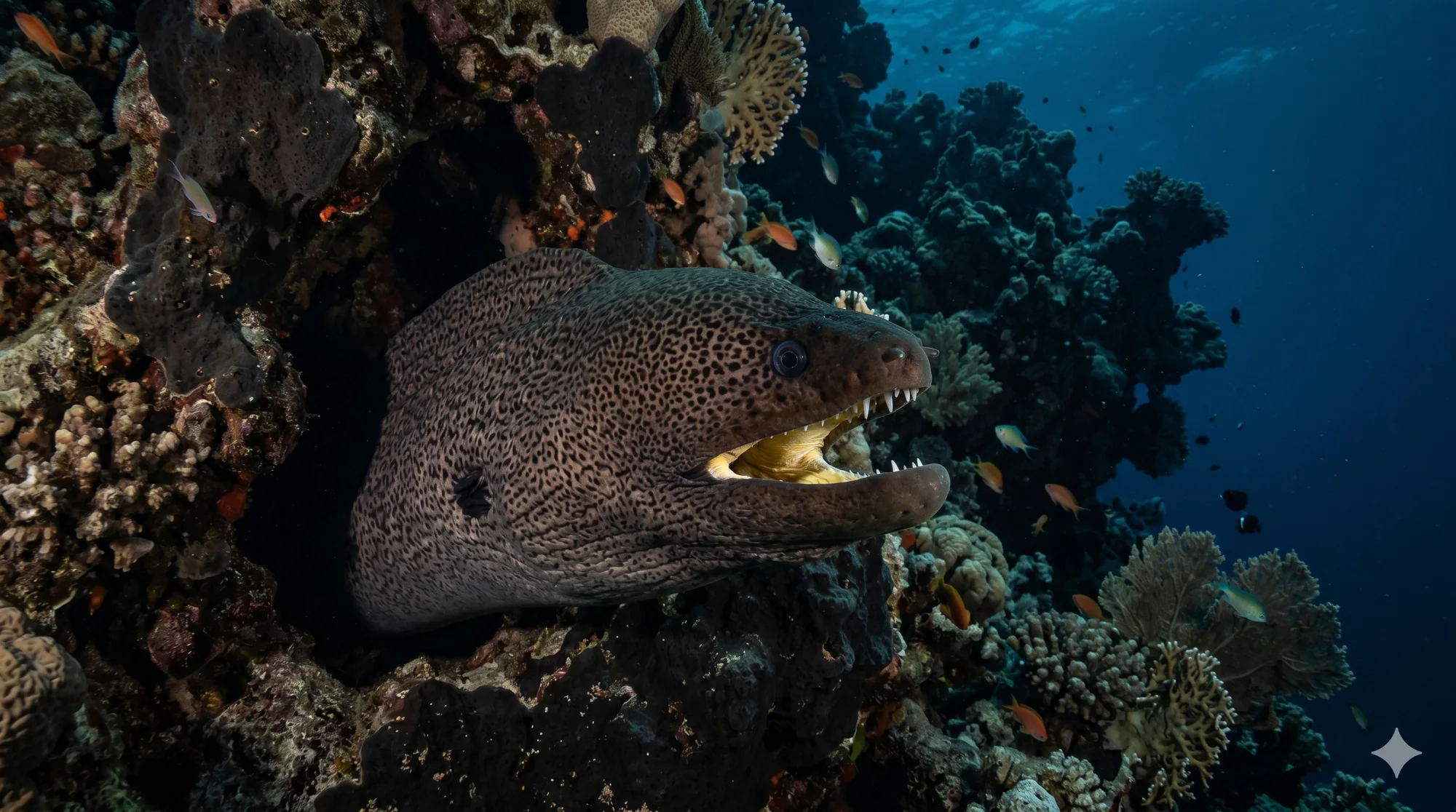
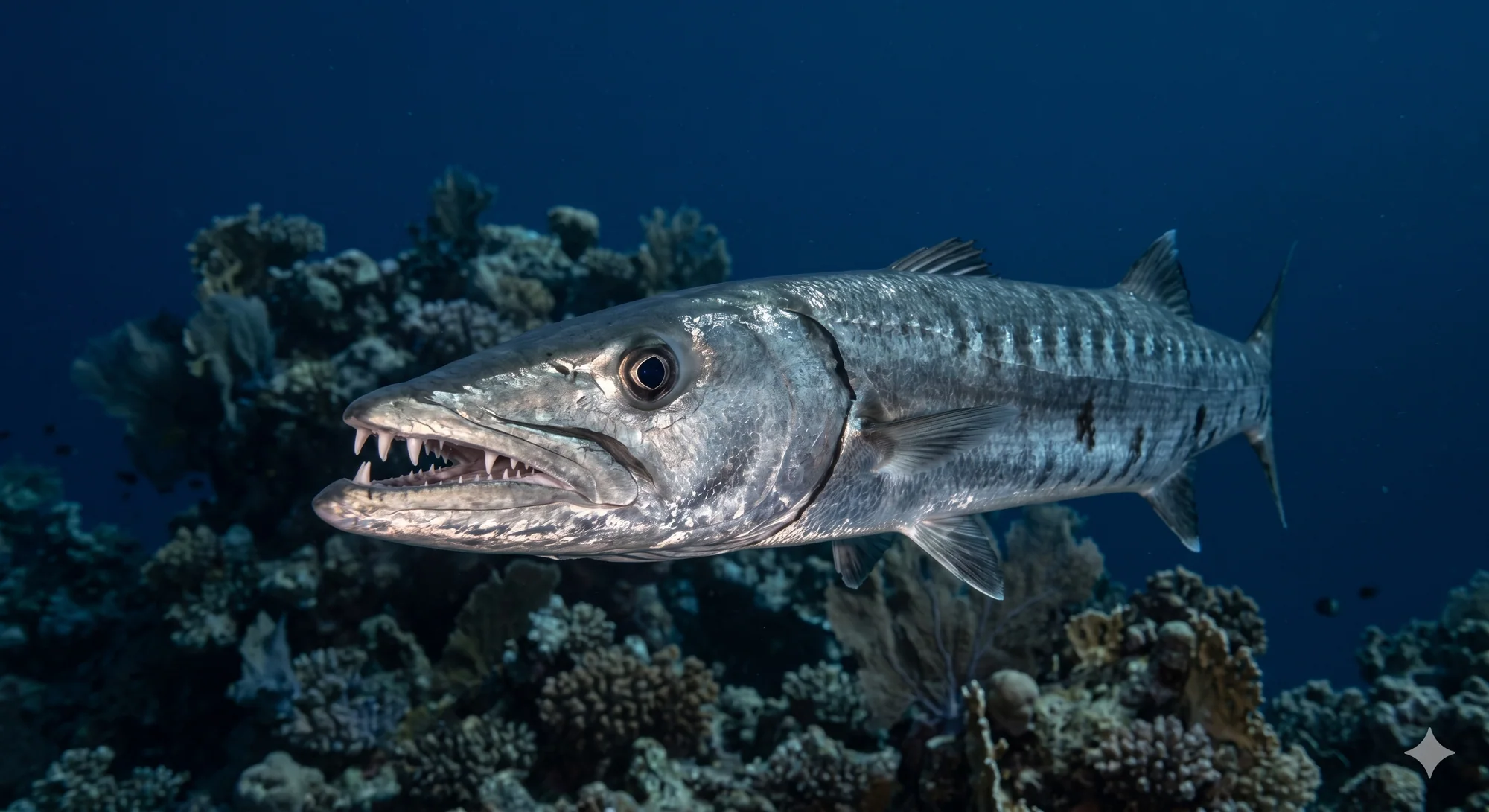
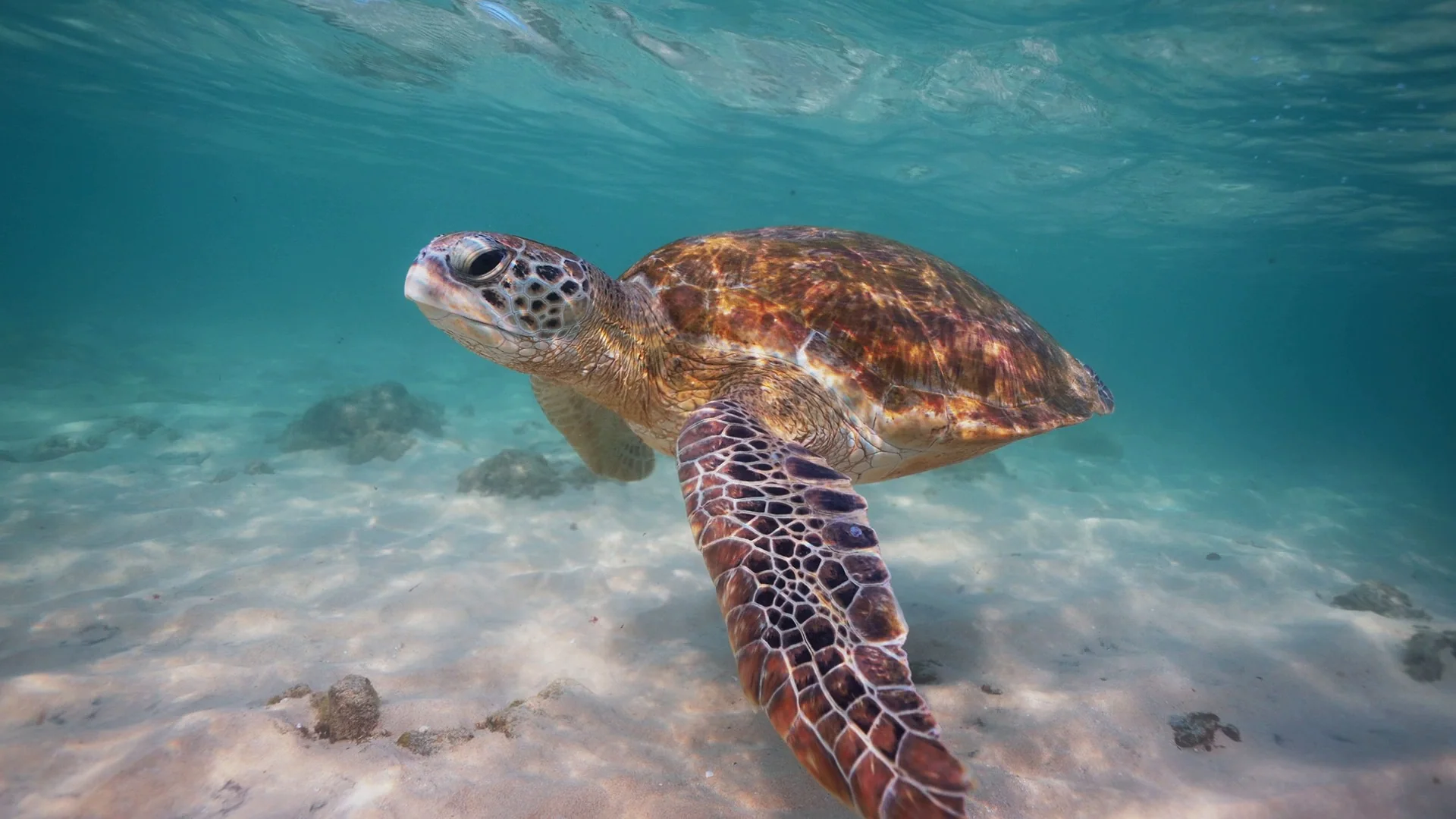
Shot at Dunraven
Keep reading, and open the whole Atlas.
A free account unlocks every dive site guide and map, the marine life library, member reports, and the full incident log. Free to join.
Join free to keep readingDiver Comments
Share your experience, conditions report or tips about Dunraven.
No comments yet, be the first to share your experience.