Straits of Tiran
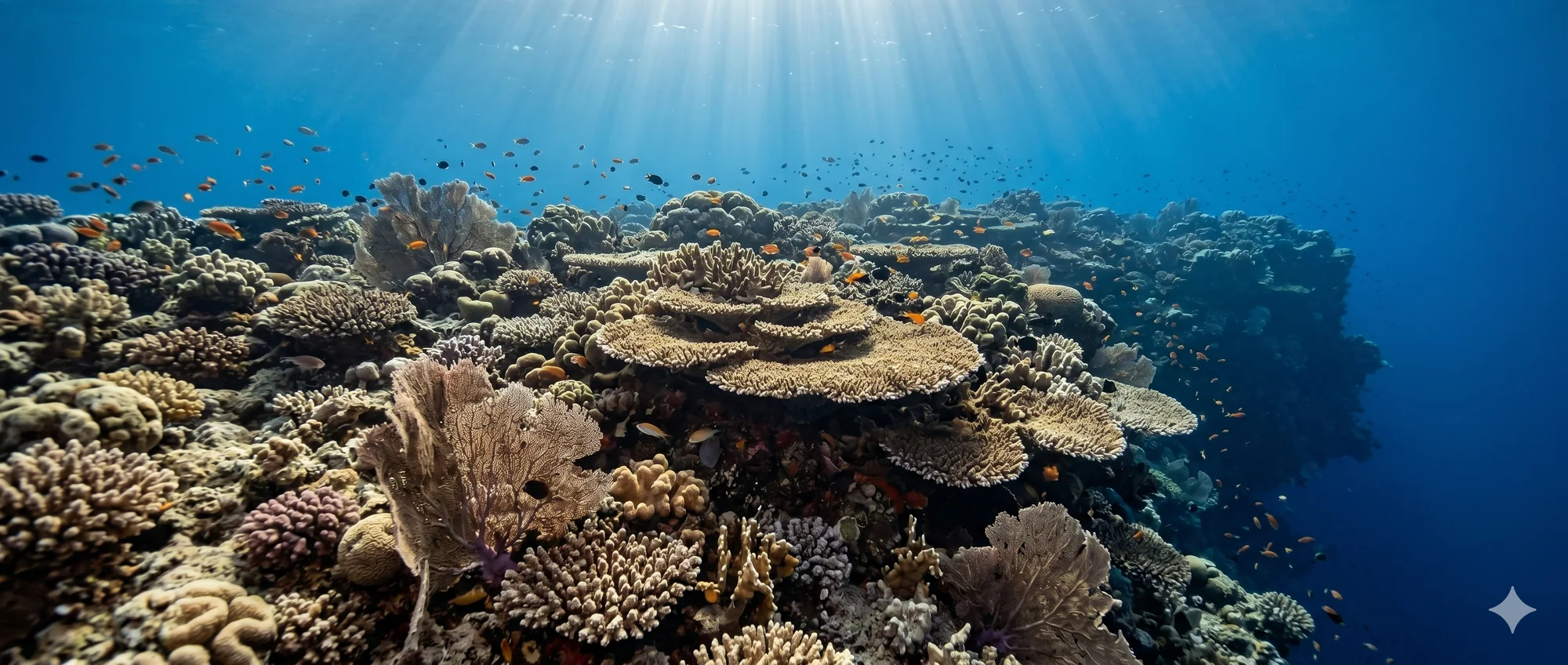
The Straits of Tiran is the narrow channel between the southern tip of the Sinai Peninsula and Tiran Island at the mouth of the Gulf of Aqaba. Four coral reefs, Gordon, Thomas, Woodhouse and Jackson, rise from the channel floor in a line running roughly north to south. They are among the most dived reefs in the Red Sea and among the most spectacular. The reason for both is current.
The current through the Straits of Tiran is what defines every dive here. It can run north or south, mild or strong, and it changes. The current direction determines which reefs you dive, which sides you dive them on, and how you enter and exit. No responsible operator dives Tiran without checking conditions first. A guide who knows the site will read the water before anyone goes in. This is not a place to improvise.
Gordon Reef is the southernmost and closest to Sharm el-Sheikh. The wreck of the Loullia, a cargo ship that grounded on the northern rim of the reef, is the most recognisable landmark in the Straits, its rusted hull visible above the water from the dive boat. Below the surface, Gordon's east wall drops to 60m with good coral coverage and reef fish. The Loullia wreck itself sits on the reef edge and is diveable, not a deep penetration dive but an atmospheric site, the hull encrusted with coral growth.
Thomas Reef is widely considered the finest dive of the four. The walls are steeper, the coral coverage denser, and the marine life more concentrated. Spinner dolphins are a consistent presence, they work the reef regularly and encounters are common. Scalloped hammerheads pass through in the cooler months. The current around Thomas is predictable enough to plan against; experienced guides know exactly where to position divers for the best encounters.
Woodhouse has excellent walls with large schools of barracuda and passing grey reef sharks. Jackson is the northernmost reef and the undisputed highlight of the circuit. The drift here is unlike any of the other three, a long, fast ride along a dramatic drop-off with some of the most colourful hard coral in the Straits, dense and vivid even at 30m. A steel navigation beacon marks the reef from above. The current accelerates through the narrowest part of the strait at the north side, and it is here, in the early morning before the flow builds, that schools of scalloped hammerheads congregate. Big pelagics pass through: oceanic whitetips, silkies, the occasional thresher. It is the most demanding of the four and the most rewarding. Jackson is the reason serious divers come to Tiran.
A full day trip from Sharm typically covers two or three reefs depending on current and conditions. A liveaboard allows all four over multiple dives and tidal windows. Either way, early morning entry is always better, the light, the marine life behaviour, and the crowd levels all favour being in the water first.
The most accessible of the four reefs and a good introduction to Tiran. Drop onto the east wall and work it at 15–25m, whitetip reef sharks rest on the sand patches, turtles on the reef flat, good hard coral throughout. Swim to the northern tip to see the Loullia wreck: hull sitting on the reef edge, partially above water, the submerged sections covered in coral. Current is more manageable here than the northern reefs. Good for a first dive of the day.
Widely considered the finest dive in the Straits. Some describe the soft coral growth here as the richest in the entire Sinai region, dense fields of Dendronephthya in every colour packed across the upper reef. Drop onto the wall at 15–20m and work it, grey reefs, trevally, and Napoleon wrasse are reliable. The spinner dolphins arrive from the blue without warning and may stay for the entire dive. Hammerheads pass through in cooler months. Current around the tips can be strong, stay on the sheltered side until you know the conditions.
Woodhouse is a current-swept wall dive with some of the largest barracuda schools in the Straits, tight cylinders of hundreds of fish holding position in the flow at 15–20m. Grey reef sharks work the wall below. Entry point and side depend entirely on current direction, check with the guide before entry. A strong drift dive when conditions allow.
The best reef in the Straits. Drop onto the wall and let the current take you, the drift along Jackson's drop-off is long, fast and extraordinary. The coral here is dense and vivid: hard coral formations in full colour down to 30m and beyond, the wall falling away into deep blue below you. In cooler months schools of scalloped hammerheads gather on the north side in the early morning window before the current peaks, hold position at 20–30m and wait rather than chase. Big pelagics pass through: oceanic whitetips, silkies, the occasional thresher. The navigation beacon on the surface is your reference. Exit by zodiac pickup, do not try to swim back against this current. DSMB up before you ascend.
MV Loullia
The Loullia ran aground on the northern rim of Gordon Reef in 1981 and has remained there ever since. The upper structure sits above the waterline, visible from dive boats before you even enter the water. The submerged sections of the hull sit on the reef edge at 0–18m and are covered in coral growth. It is not a deep wreck dive and penetration is limited, but the Loullia is the most recognisable landmark in the Straits of Tiran. Worth including on any Gordon Reef dive.
- –Partially above water, visible from surface
- –Grounded 1981 on Gordon Reef northern rim
- –Submerged hull at 0–18m
- –Dense coral growth on submerged sections
- –Best combined with Gordon east wall drift
The numbers
What you need to know
Access & operators
Know the reef before you dive it
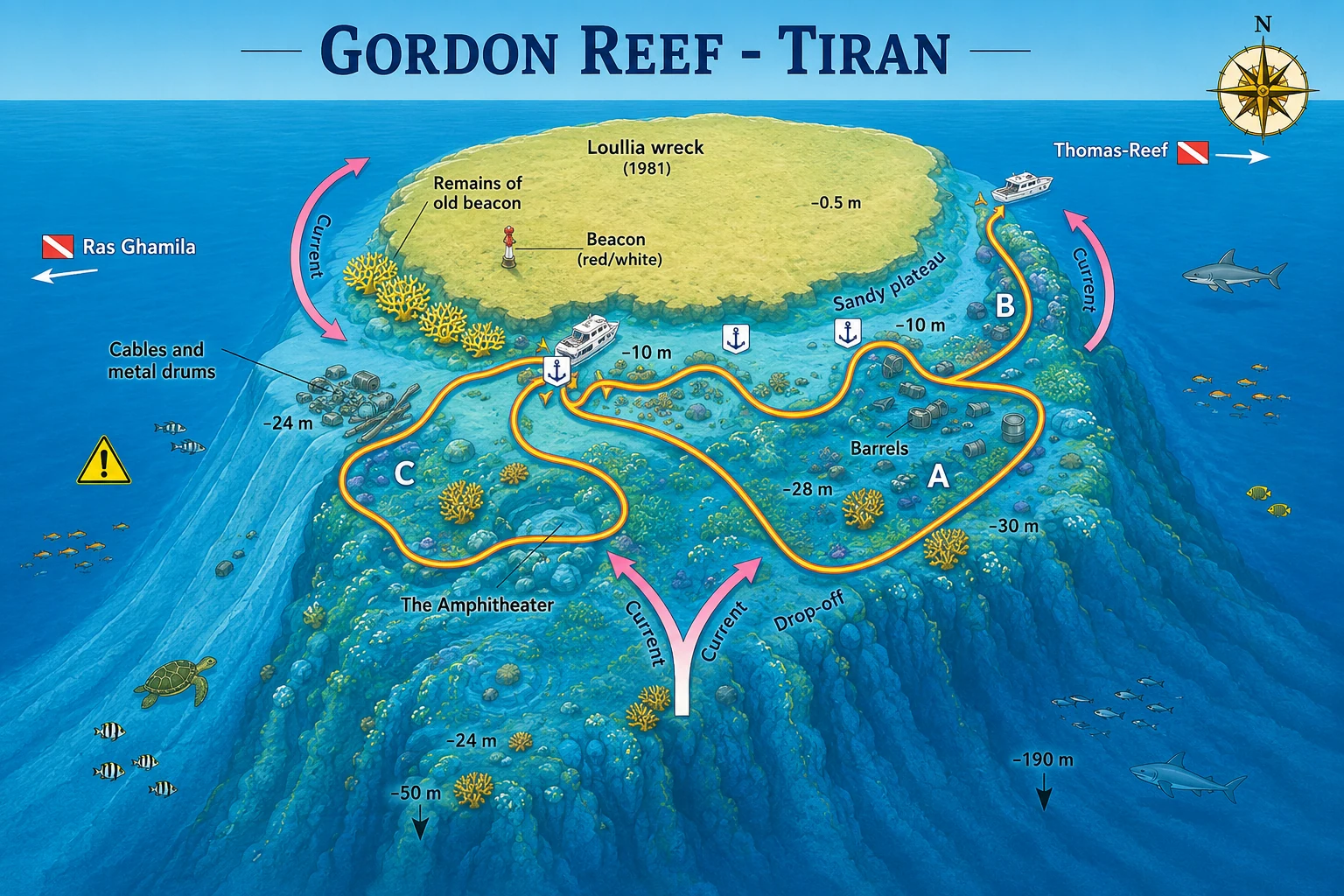
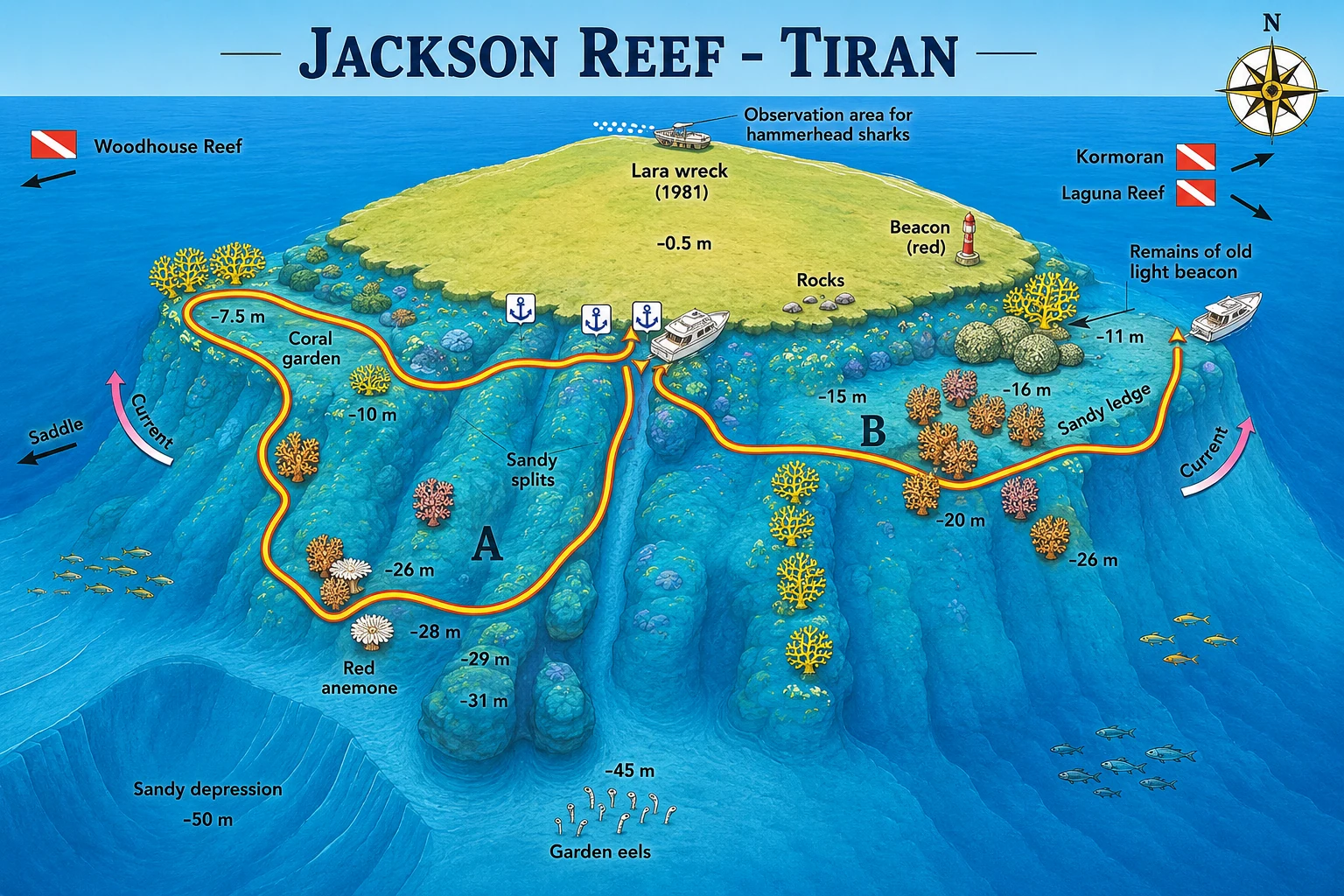
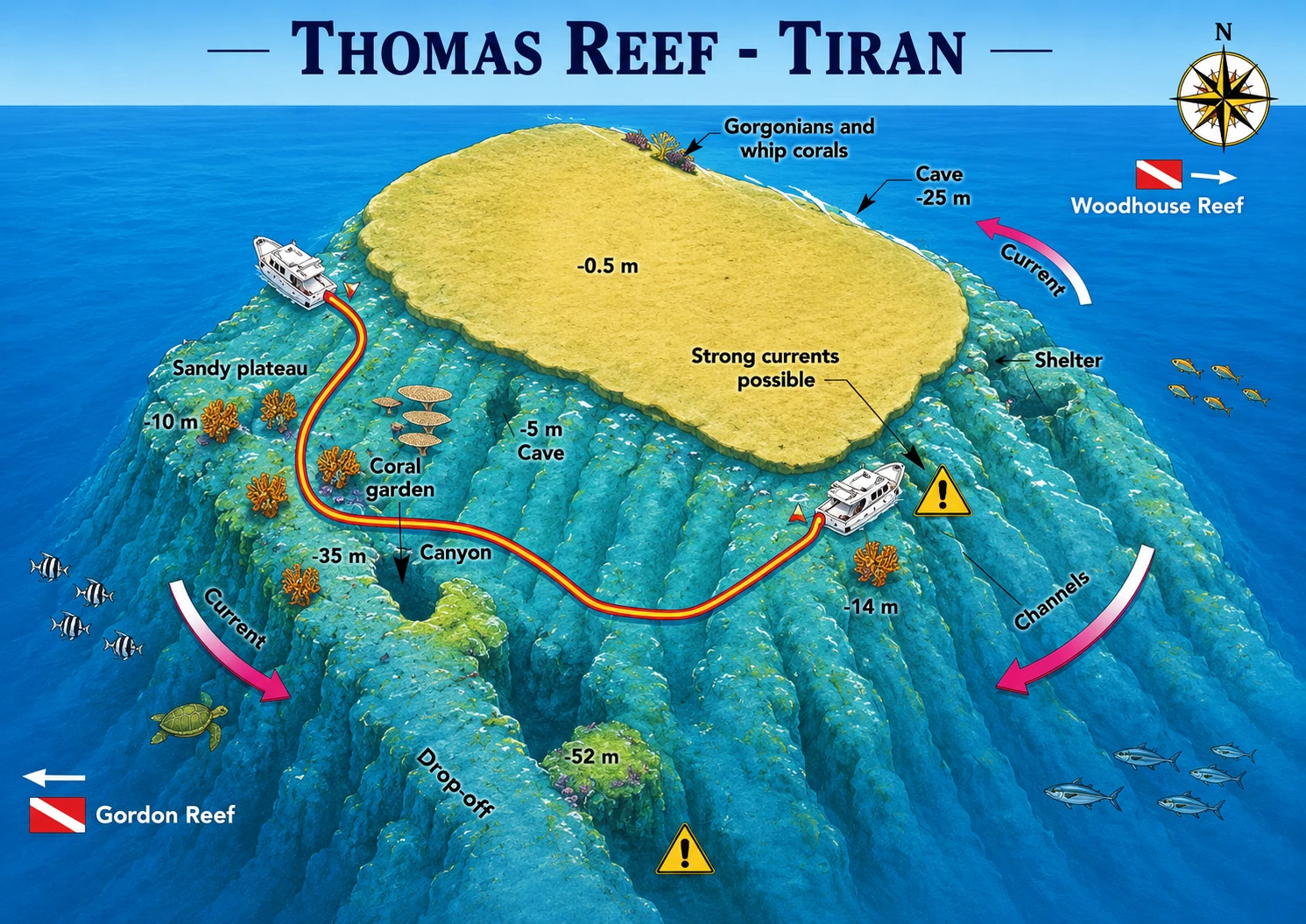
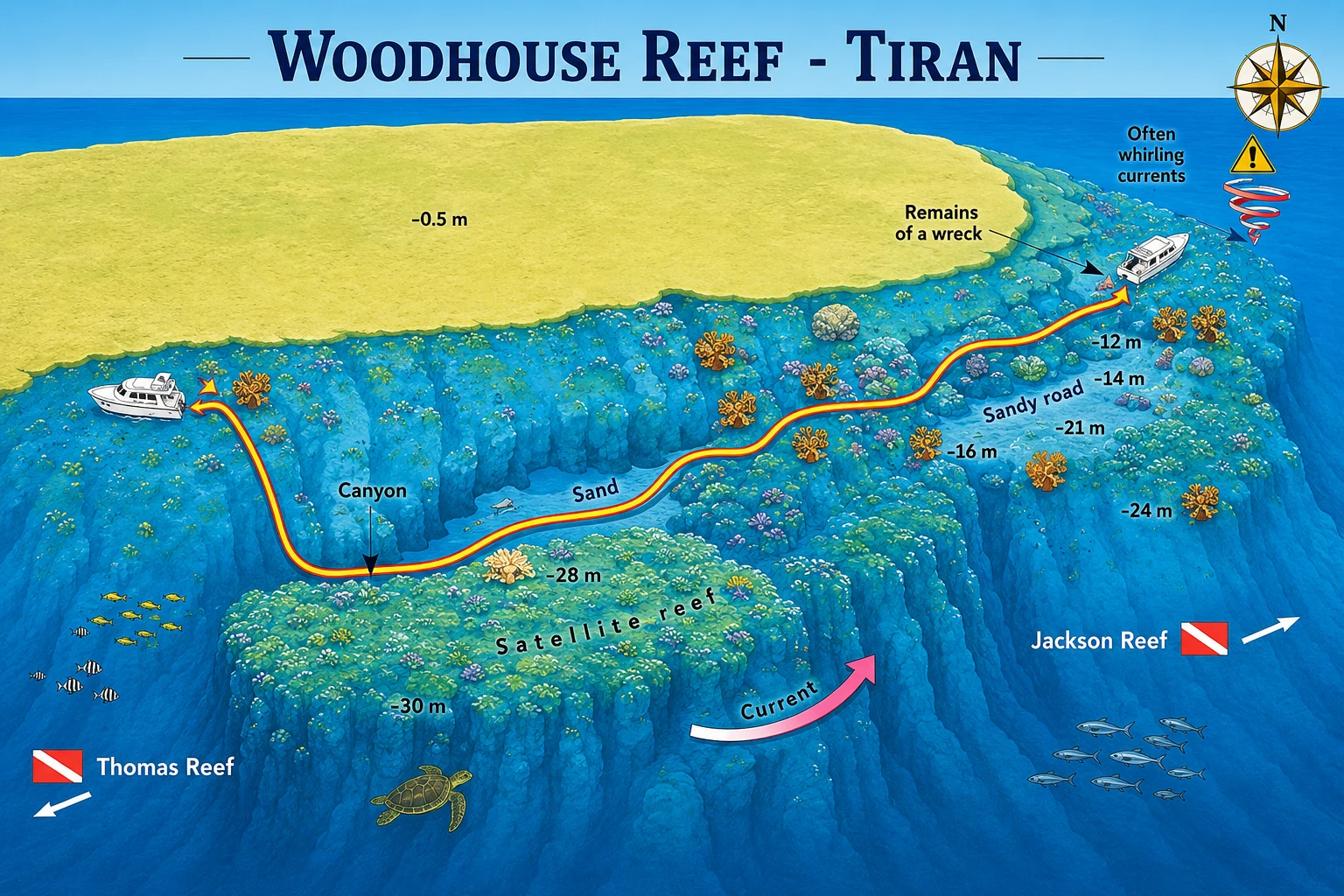
Original maps created for The Red Sea Atlas · Not for navigation
What you might encounter
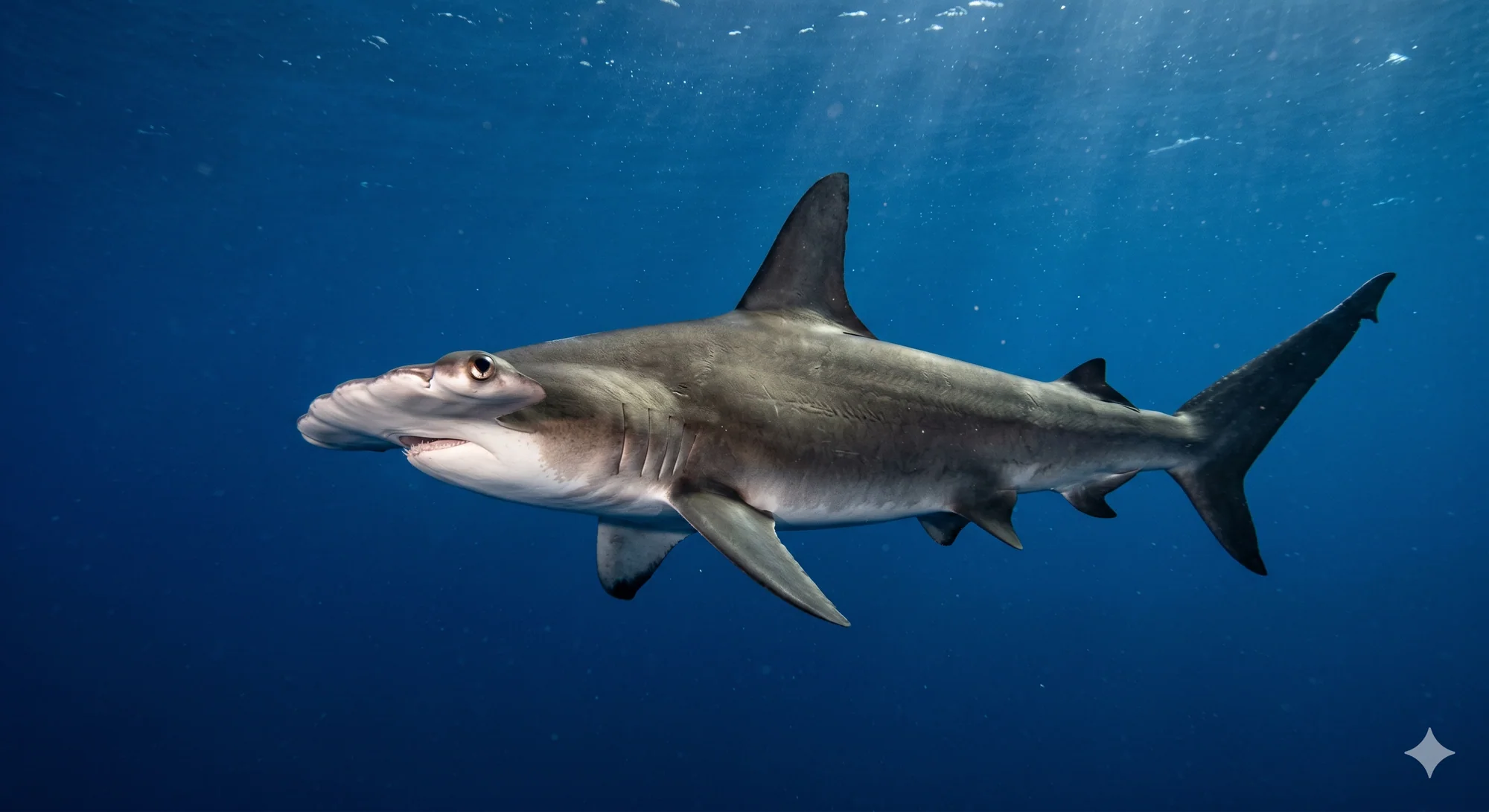
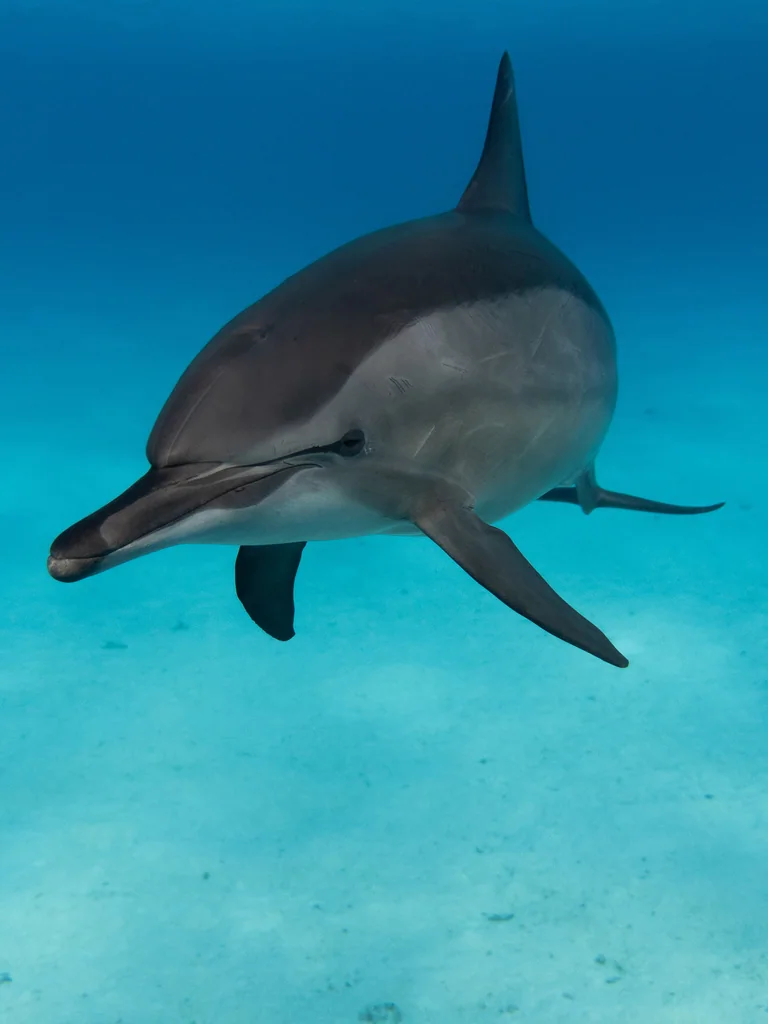
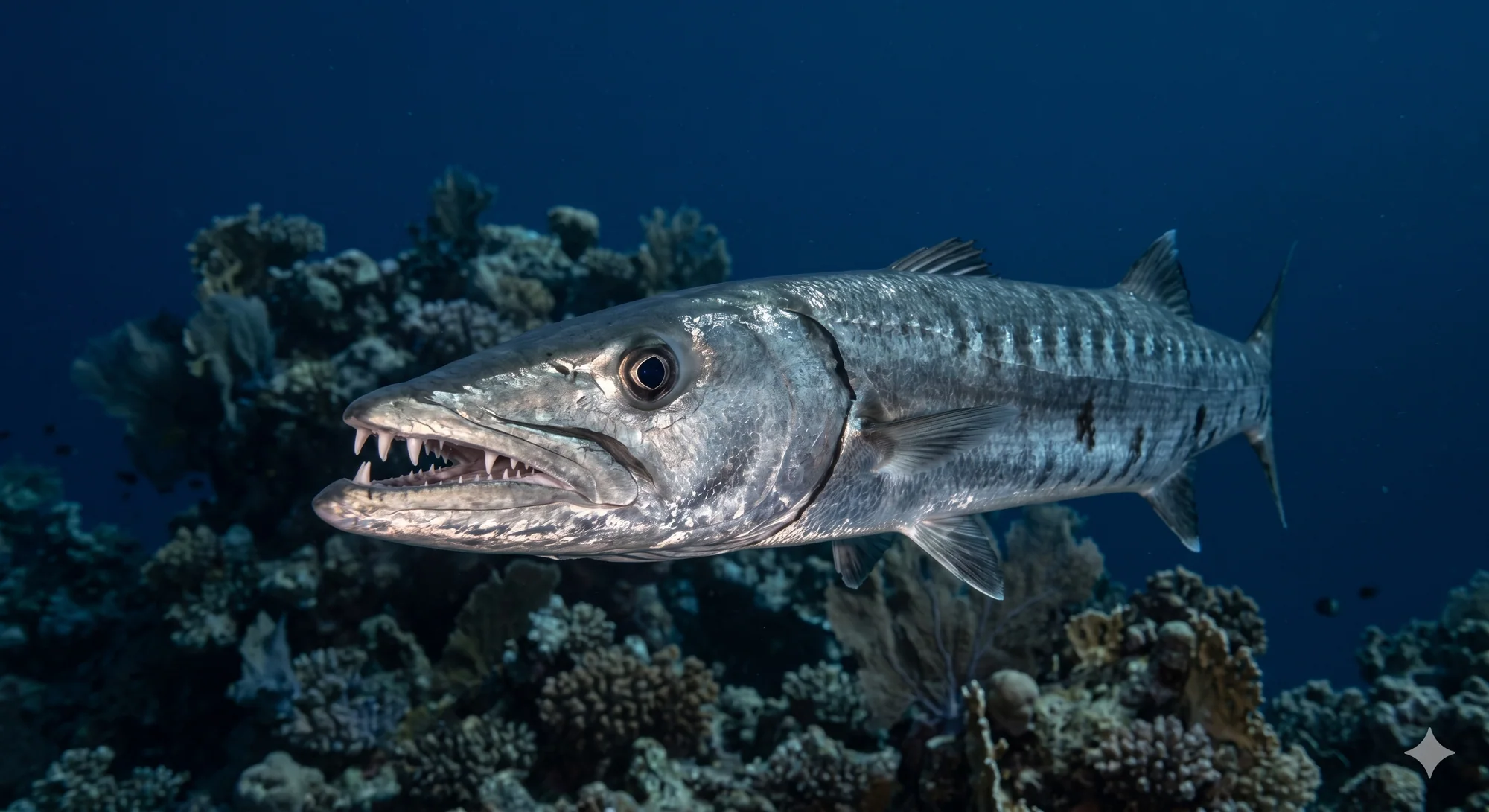
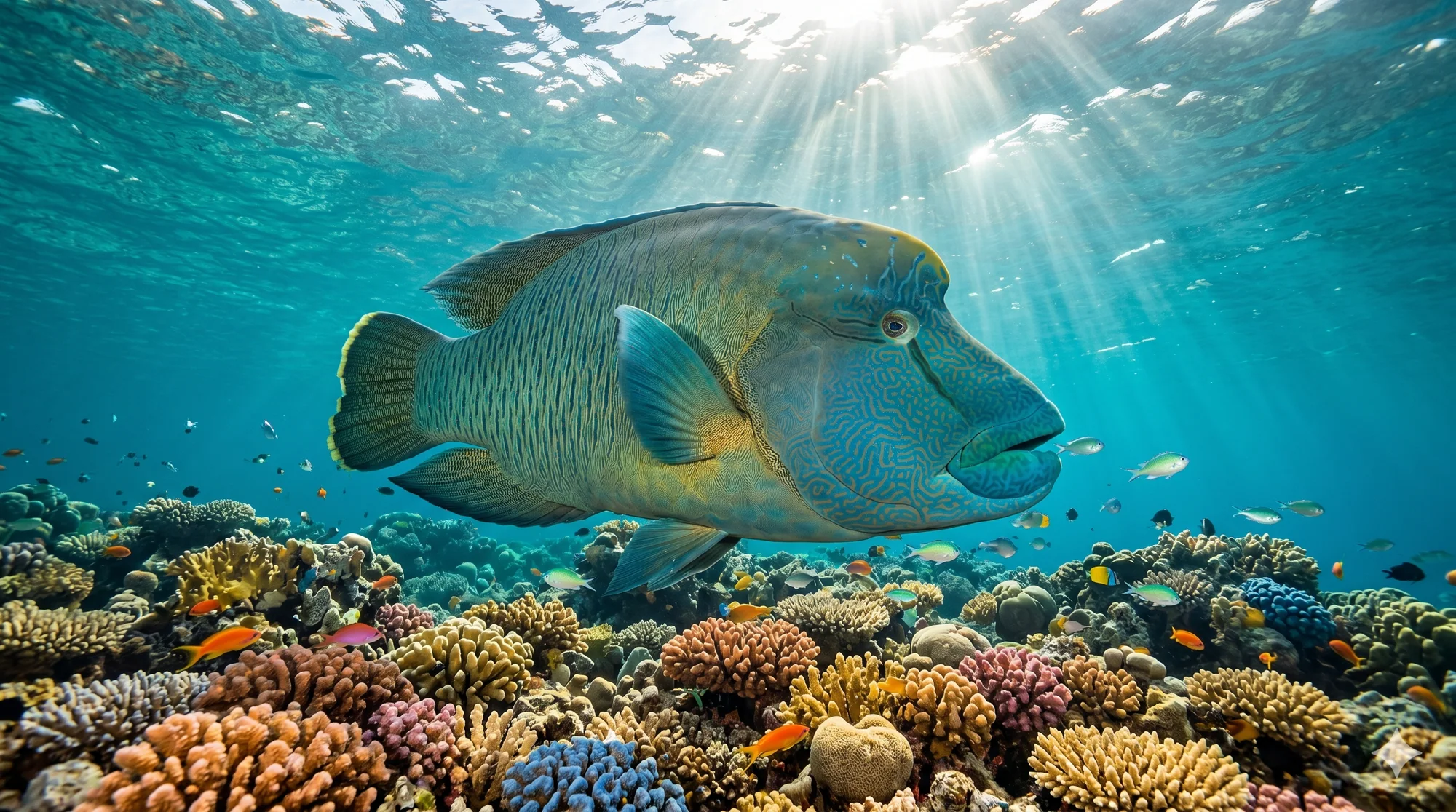
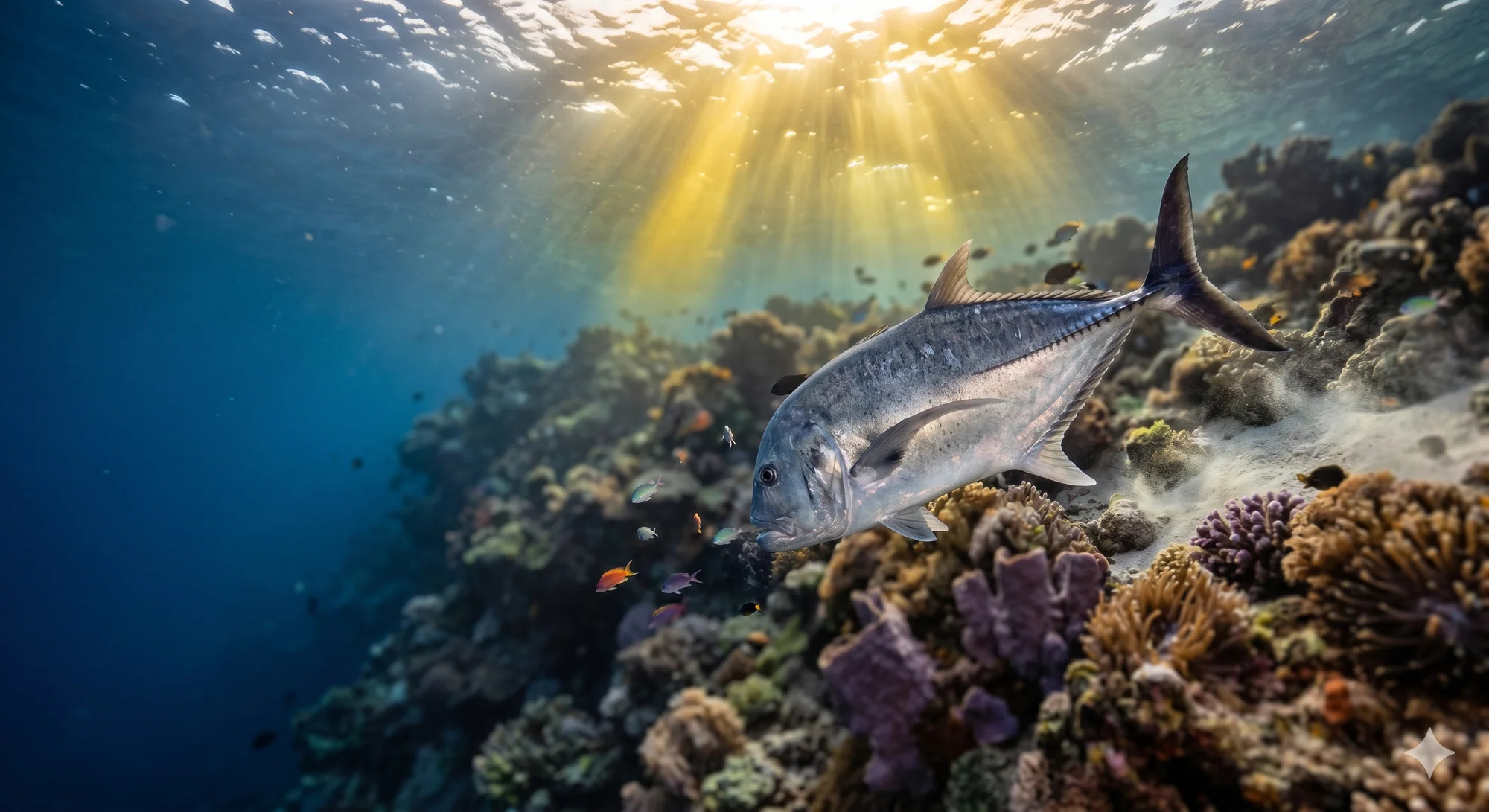
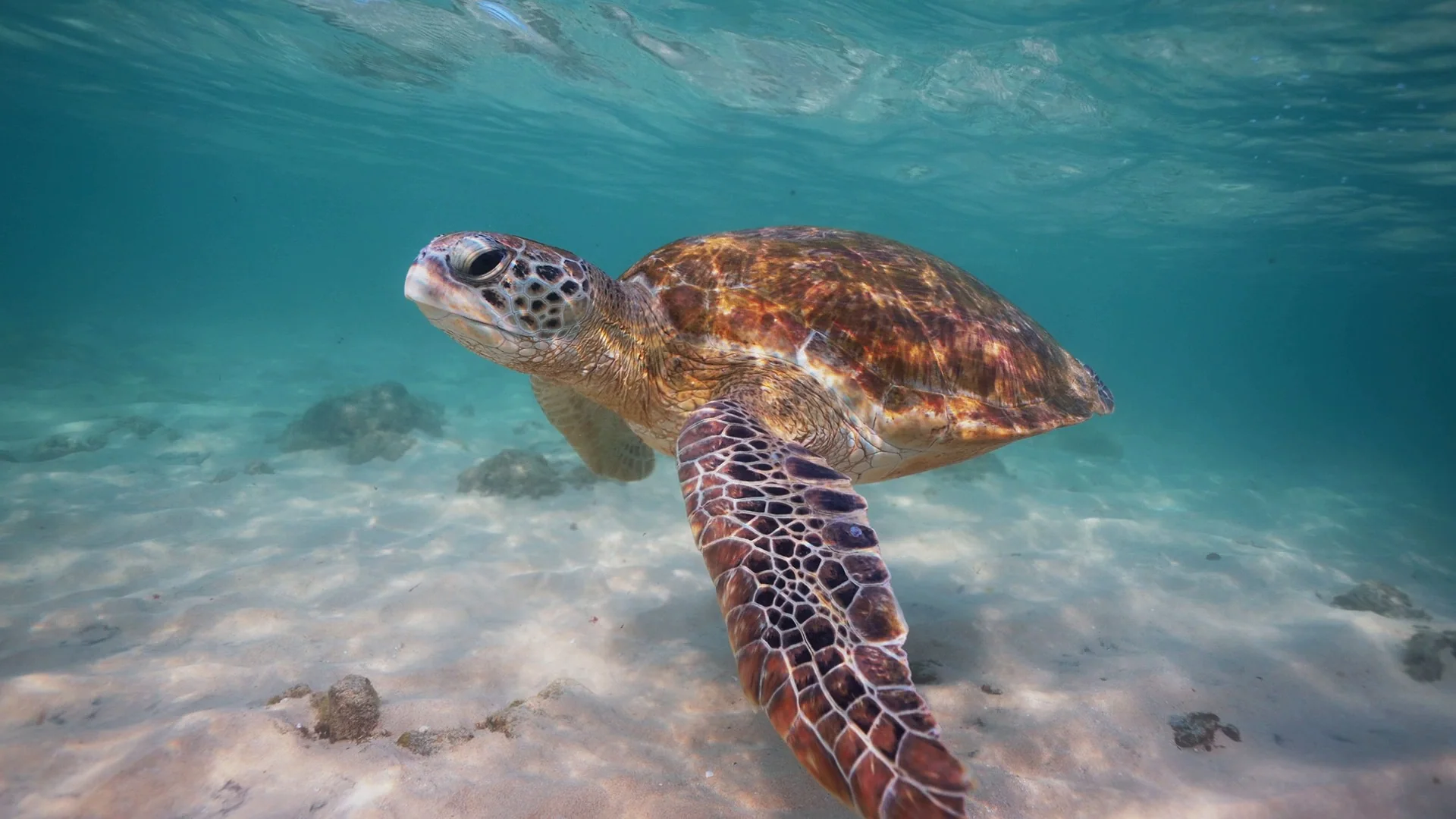
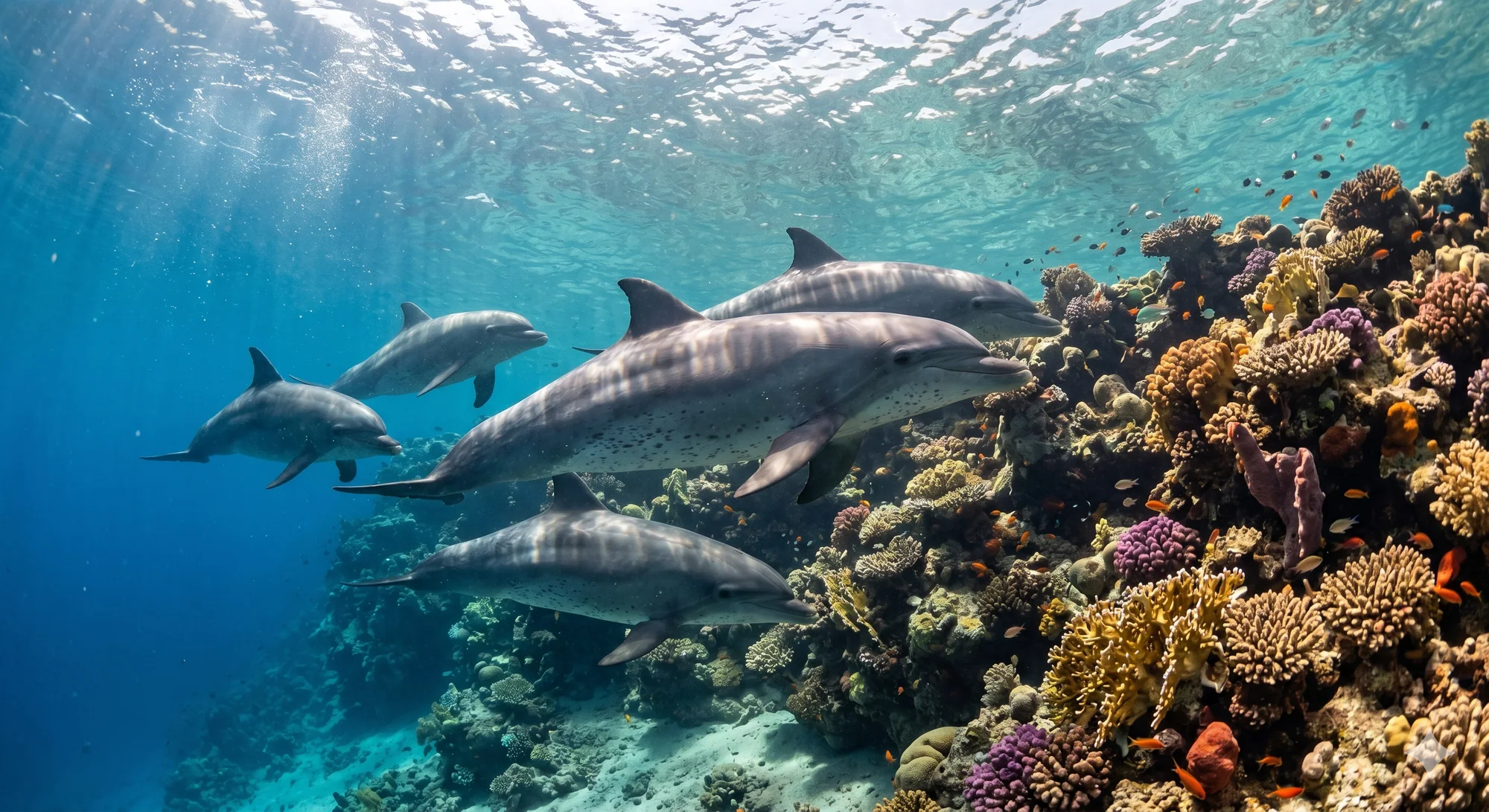
Shot at Tiran
Keep reading, and open the whole Atlas.
A free account unlocks every dive site guide and map, the marine life library, member reports, and the full incident log. Free to join.
Join free to keep readingDiver Comments
Share your experience, conditions report or tips about Tiran.
No comments yet, be the first to share your experience.