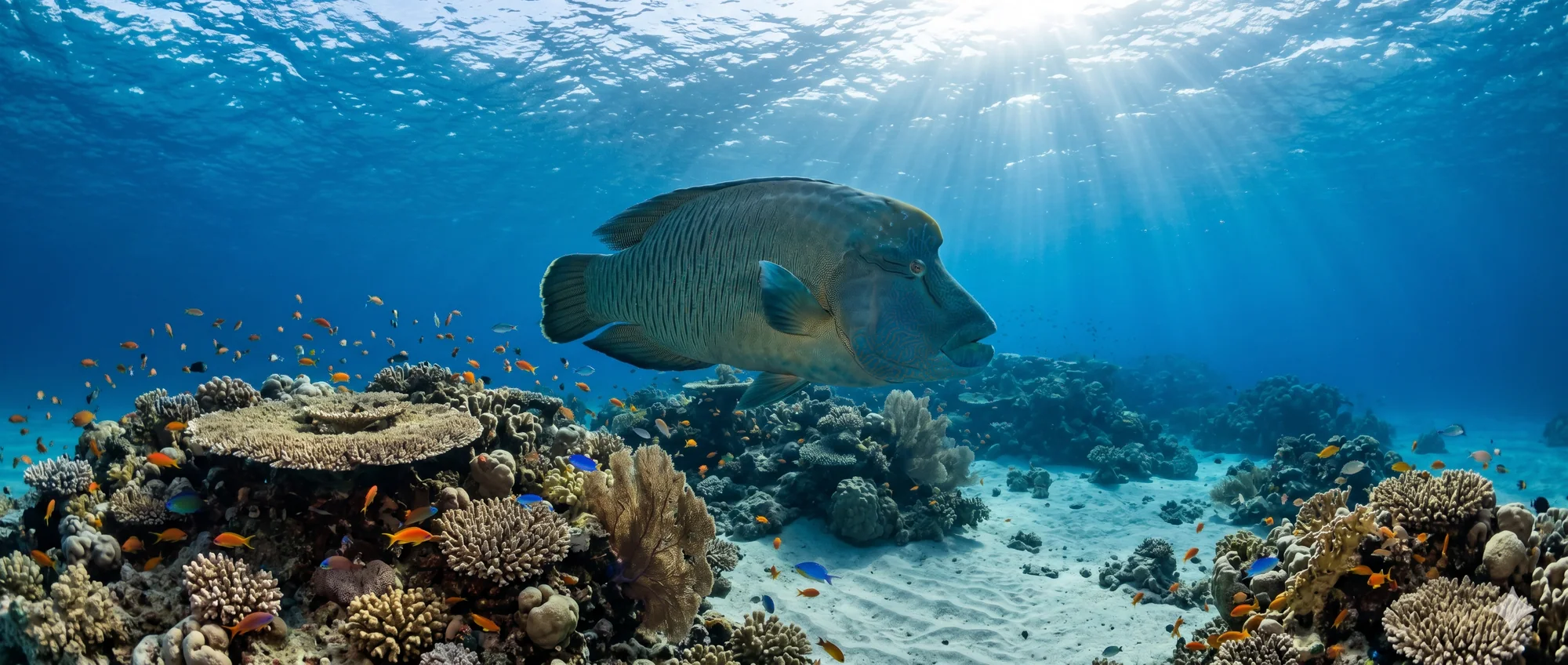
Blue Hole, Bells
The Blue Hole is a vertical underwater sinkhole about 8km north of Dahab town on the Gulf of Aqaba. It is approximately 60 metres across and drops beyond 100 metres. The rim sits at about 6 metres. It is one of the most recognisable dive sites on earth, and one of the most dangerous.
The classic dive starts at Bells, a narrow chimney cut into the outer reef wall. You descend through the chimney and exit onto the outside wall at around 25–28 metres. From here, you follow the coral wall keeping it on your right hand side, working along the outside for roughly 100–150 metres. The wall is exceptional: dense hard coral, anthias in clouds, Napoleon wrasse, turtles, and the clarity of the Gulf of Aqaba making everything vivid at depth. As you work your way along, you begin ascending and eventually climb into the Blue Hole itself through the saddle, a natural opening in the reef at around 6 metres. Once inside, you take a lap around the inner wall of the hole. The contrast between the deep outside wall and the shallow, luminous interior of the Blue Hole is one of the most distinctive dive experiences in the Red Sea.
The Arch is a tunnel connecting the inside of the Blue Hole to the outside wall. It sits at 52 metres. It is the reason this site has claimed more lives than almost any other dive site on earth. The Arch is not a recreational dive, not for advanced divers, not for instructors, not for anyone without technical certification, dedicated equipment and a technical guide. The standard Bells dive described above has nothing to do with the Arch and does not approach it.
The Atlas's position: dive the Bells entry, follow the wall right, enter through the saddle at 6m, lap the inside. That is the dive. The Arch is not on the itinerary.
The numbers
What you need to know
The Arch sits at 52 metres and is a 30-metre horizontal swim through a passage with no bottom, open water below you the entire way.
At 52 metres, nitrogen narcosis is severe. It does not feel severe, that is the problem. Your judgement is compromised before you realise it. Inside the Arch, it is dark. You lose visual reference. You lose sense of direction. Divers have swum the wrong way inside the Arch and not made it out.
At 50 metres, your buoyancy collapses, and this happens whether or not you are wearing a wetsuit. The neoprene in your suit compresses to almost nothing. But more critically, the air already inside your BCD has shrunk significantly under pressure. The volume that was holding you neutral at 20 metres is now a fraction of what it was, which is the primary reason divers fall faster at depth than they expect. You need substantially more air in your BCD to stay neutral, and the deeper you go, the faster that air compresses and the more your buoyancy collapses. That requirement also changes as you move, making active buoyancy control exhausting and easy to get wrong. If you descend even 10–15 metres below the Arch entry, and without a bottom to reference, this can happen without you noticing, you are now at 62–67 metres. The narcosis is worse. The buoyancy is worse. You are now also accumulating nitrogen at a rate that puts decompression sickness firmly on the table, a rapid or panicked ascent from that depth to the surface means DCS is no longer a risk, it is a near-certainty. Managing buoyancy, direction, gas consumption, narcosis and a decompression obligation simultaneously, in the dark, while swimming 30 metres horizontally with no bottom beneath you, is what has killed divers here. Not reckless beginners. Experienced divers. Instructors. People who believed they were ready.
One more thing that is rarely explained: the Arch is not visible from above 30 metres. You cannot see it from a safe depth and decide whether to proceed. To locate it, you have to descend to it. That means a diver who arrives at the Blue Hole intending to 'just have a look' must first descend beyond 30 metres into open water to find the entrance, already narced, already with bottom time compromised, already committed to a depth from which the situation can deteriorate fast. Searching for the Arch while narced, in the dark, with no bottom reference, is a separate way to die before you have even entered it.
The Arch requires trimix, stage bottles, full technical certification and a guide who dives it regularly. If any operator or guide presents it as an option on a recreational dive, leave. The Bells circuit described on this page does not approach the Arch.
Access & operators
Know the reef before you dive it
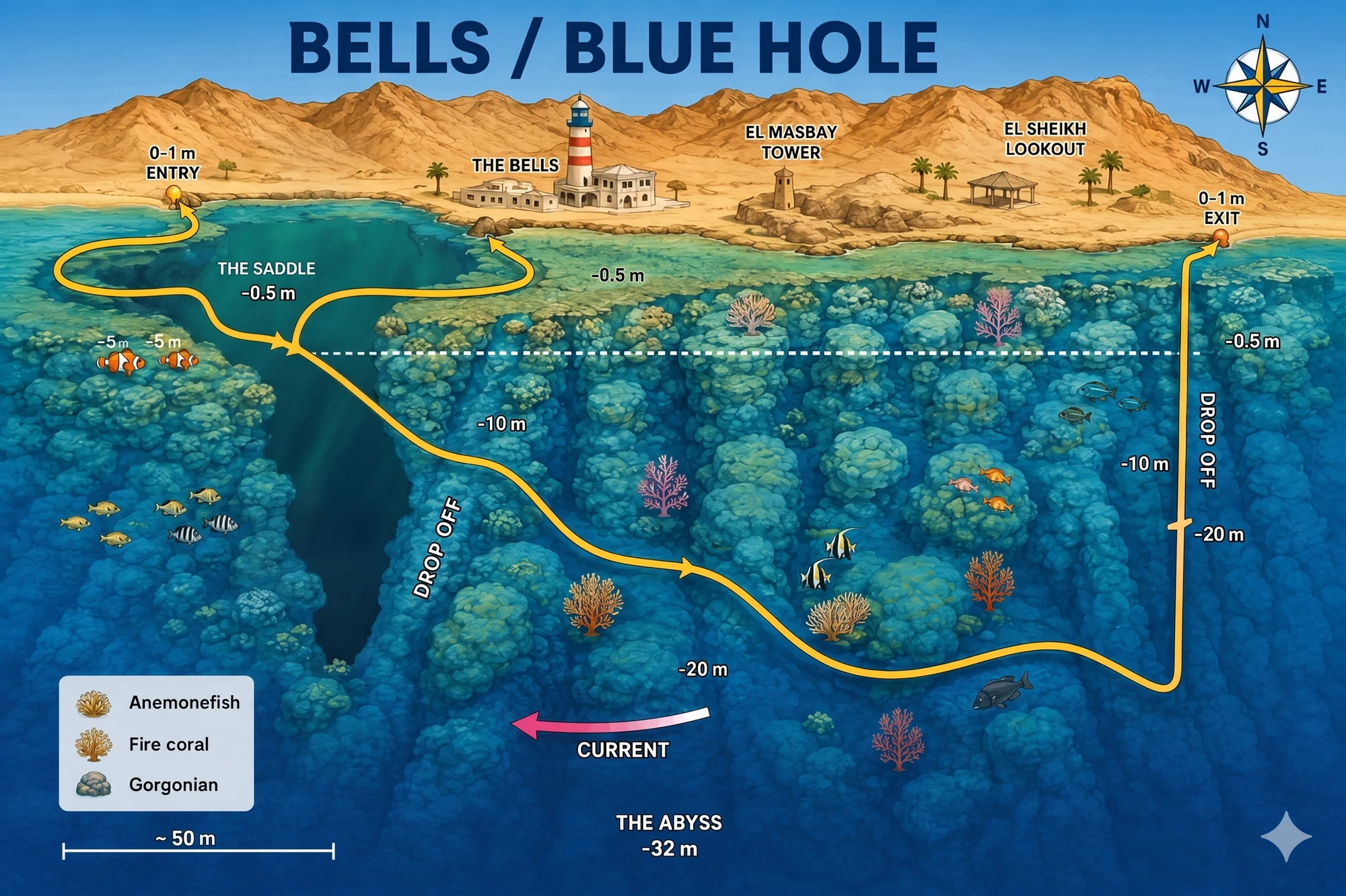
Original maps created for The Red Sea Atlas · Not for navigation
What you might encounter
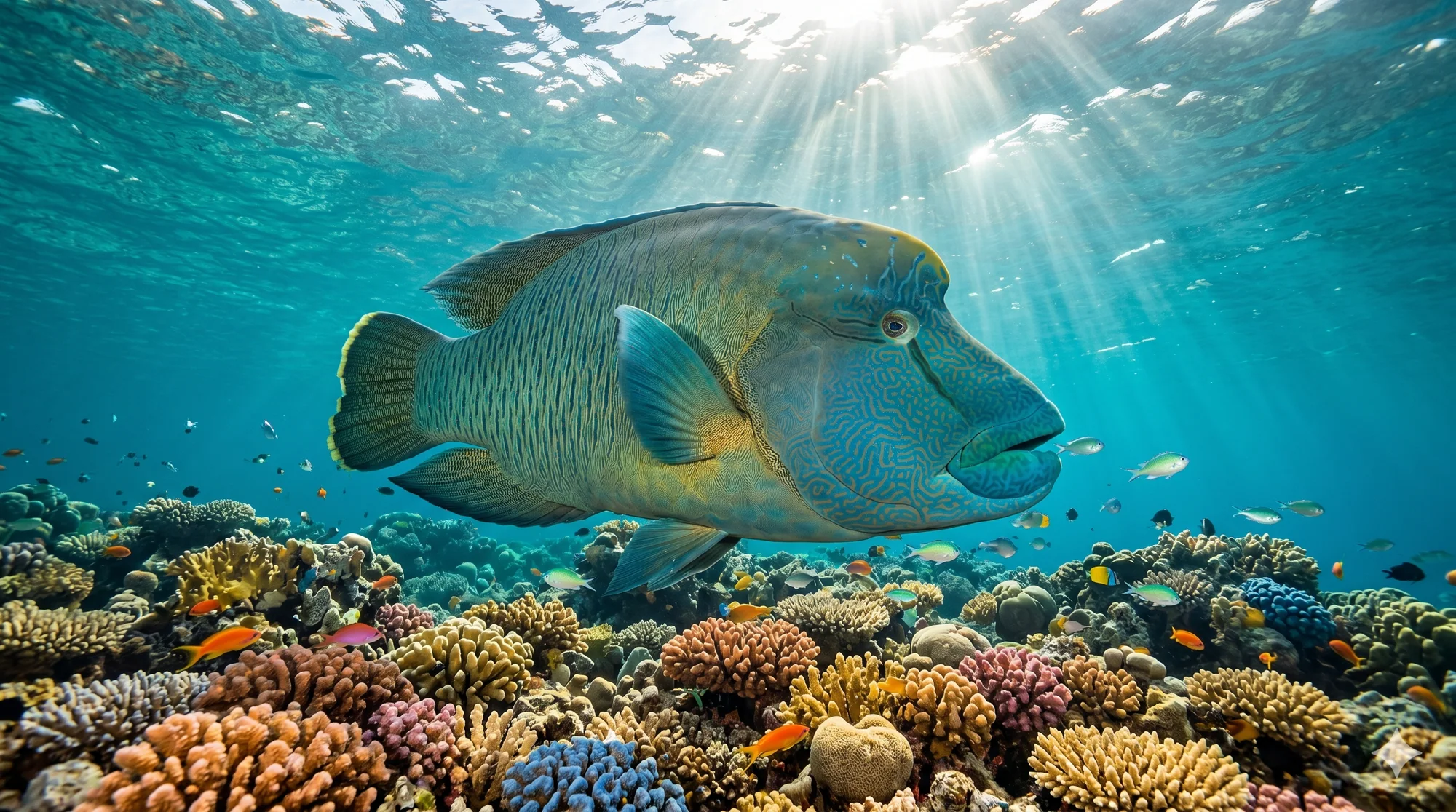
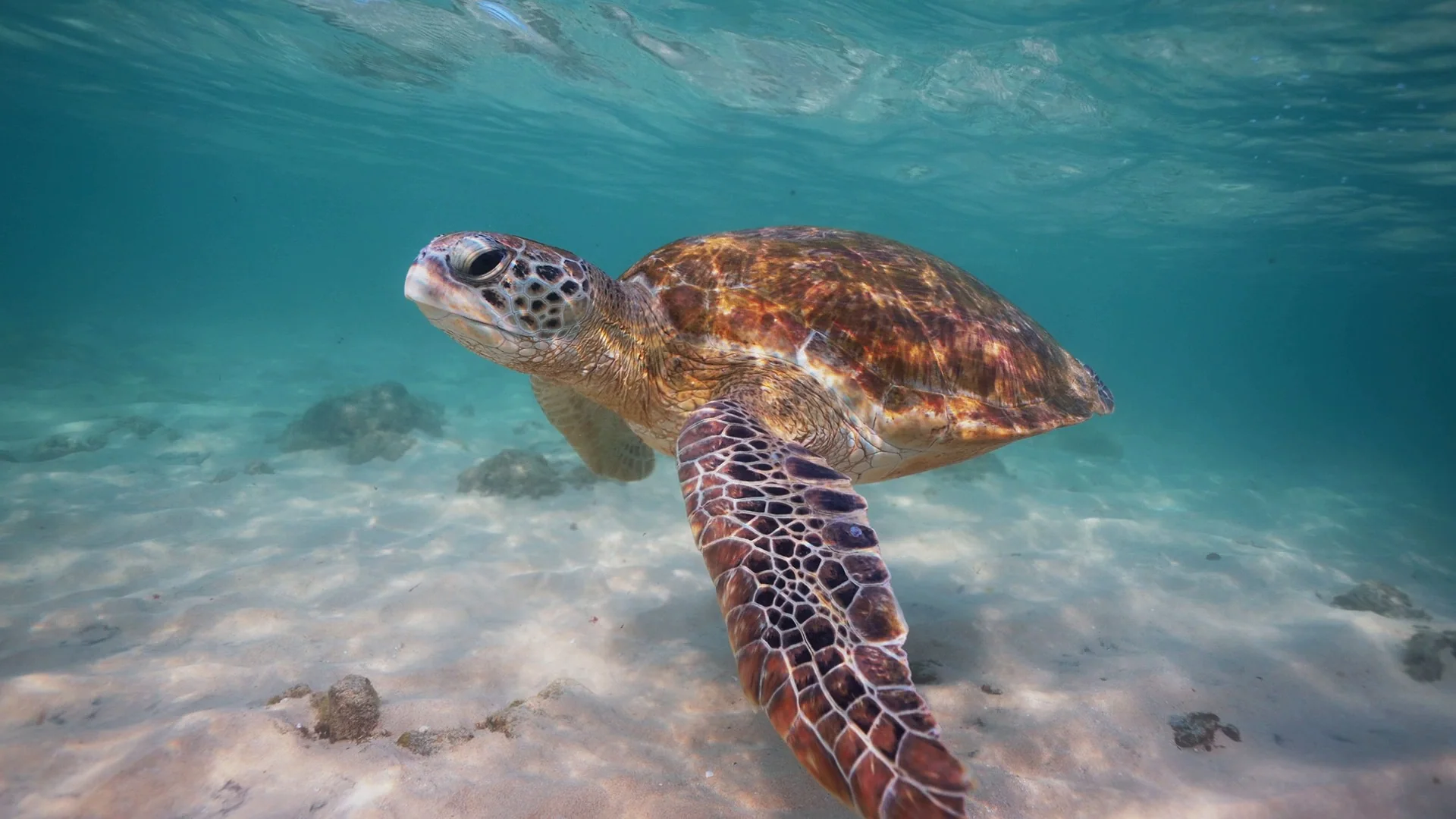
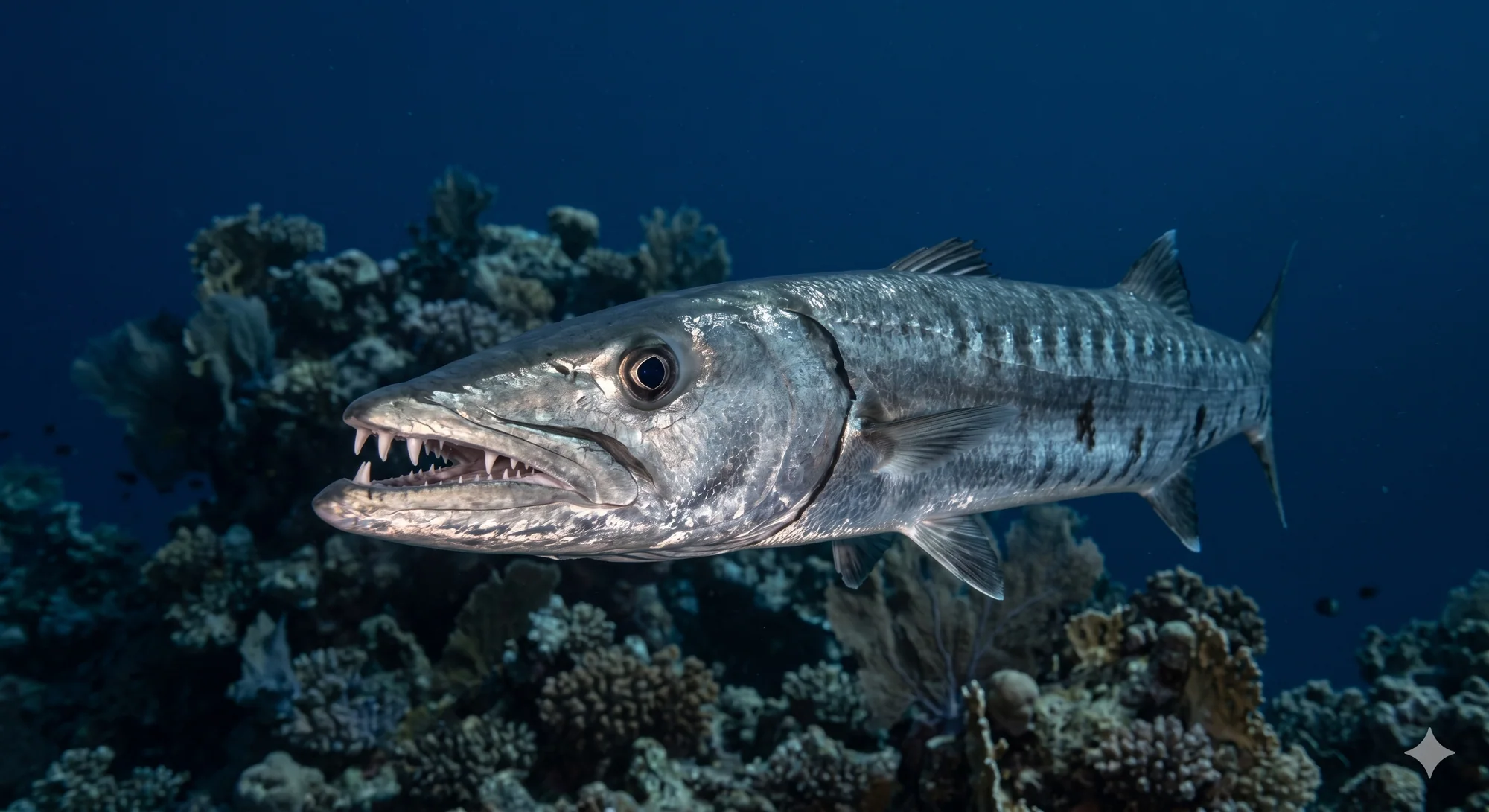
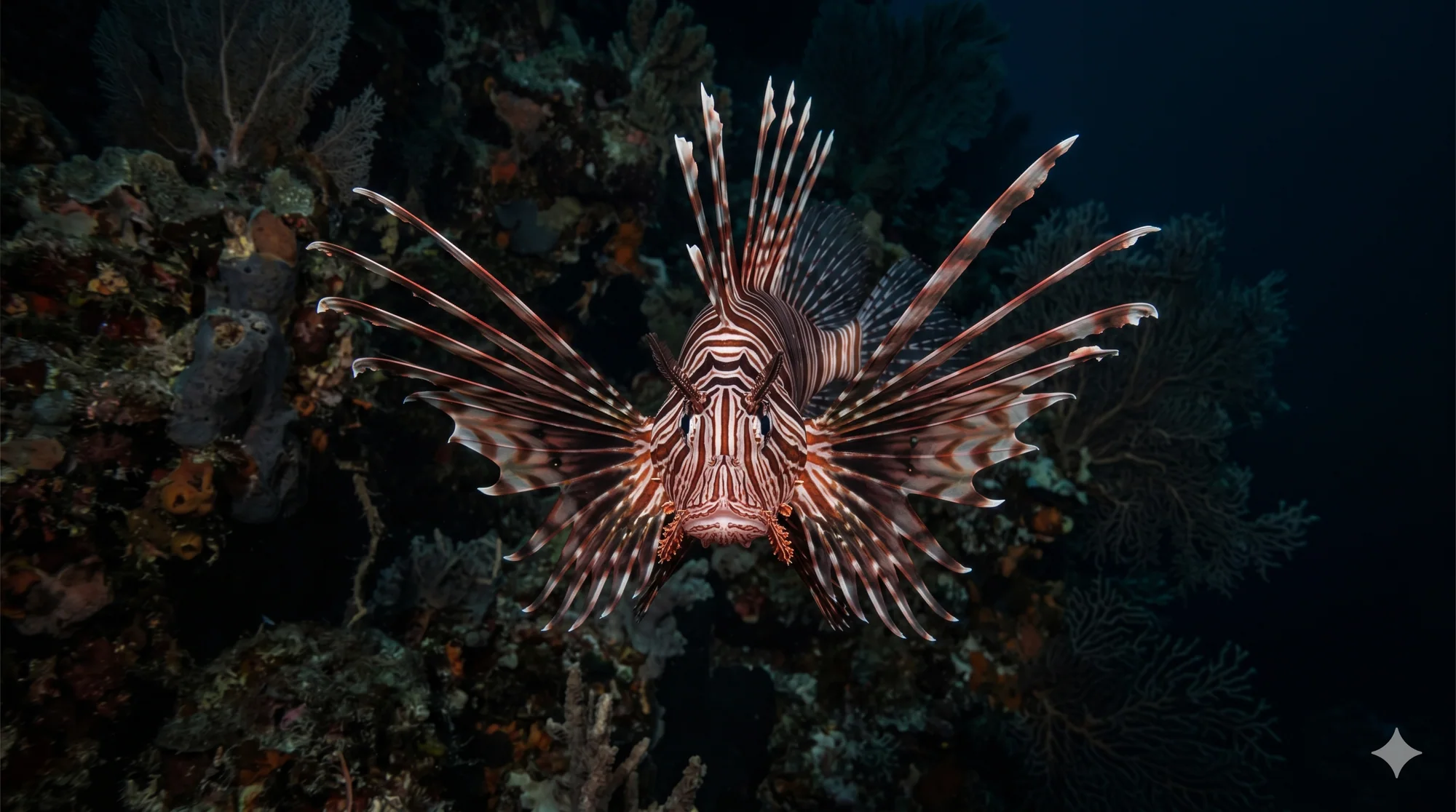
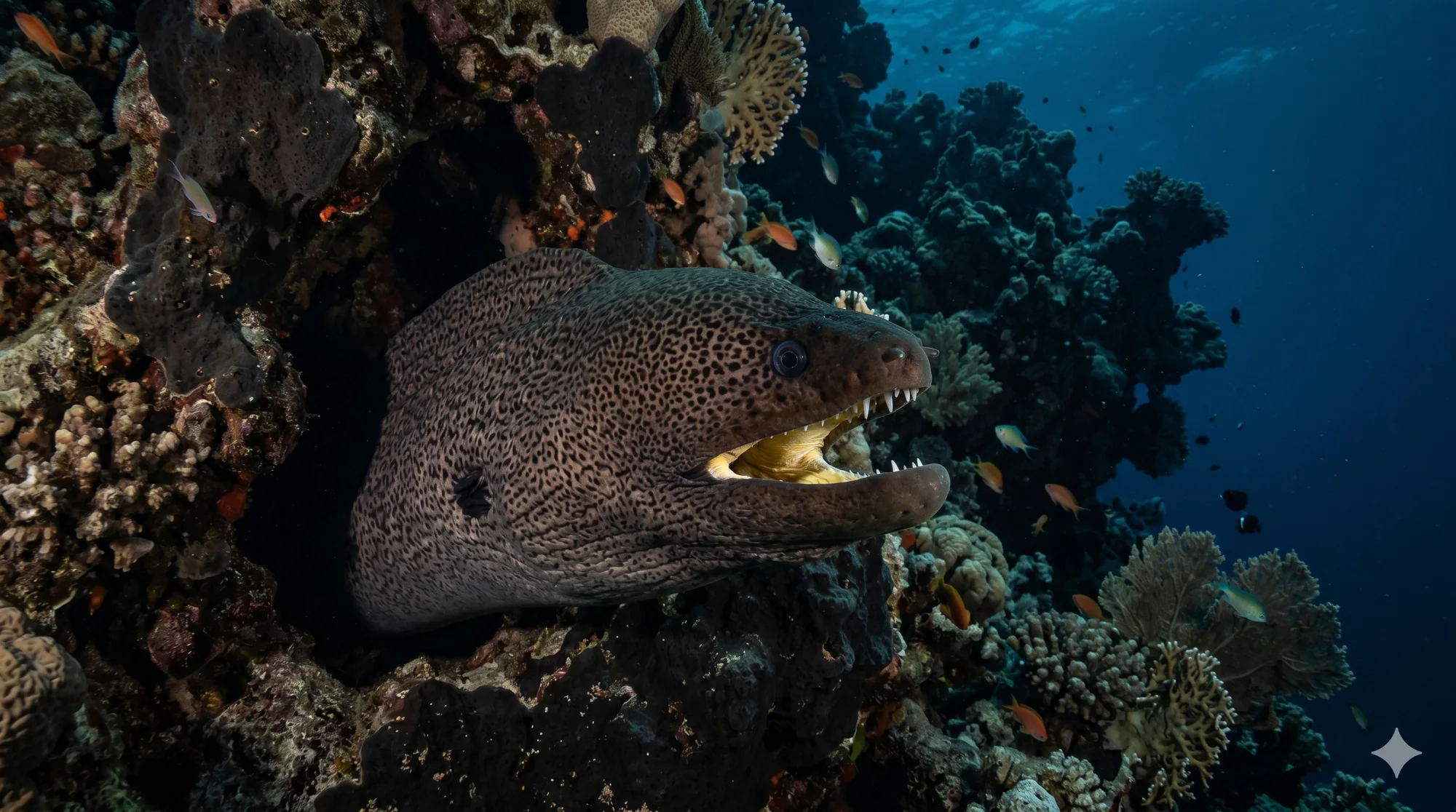
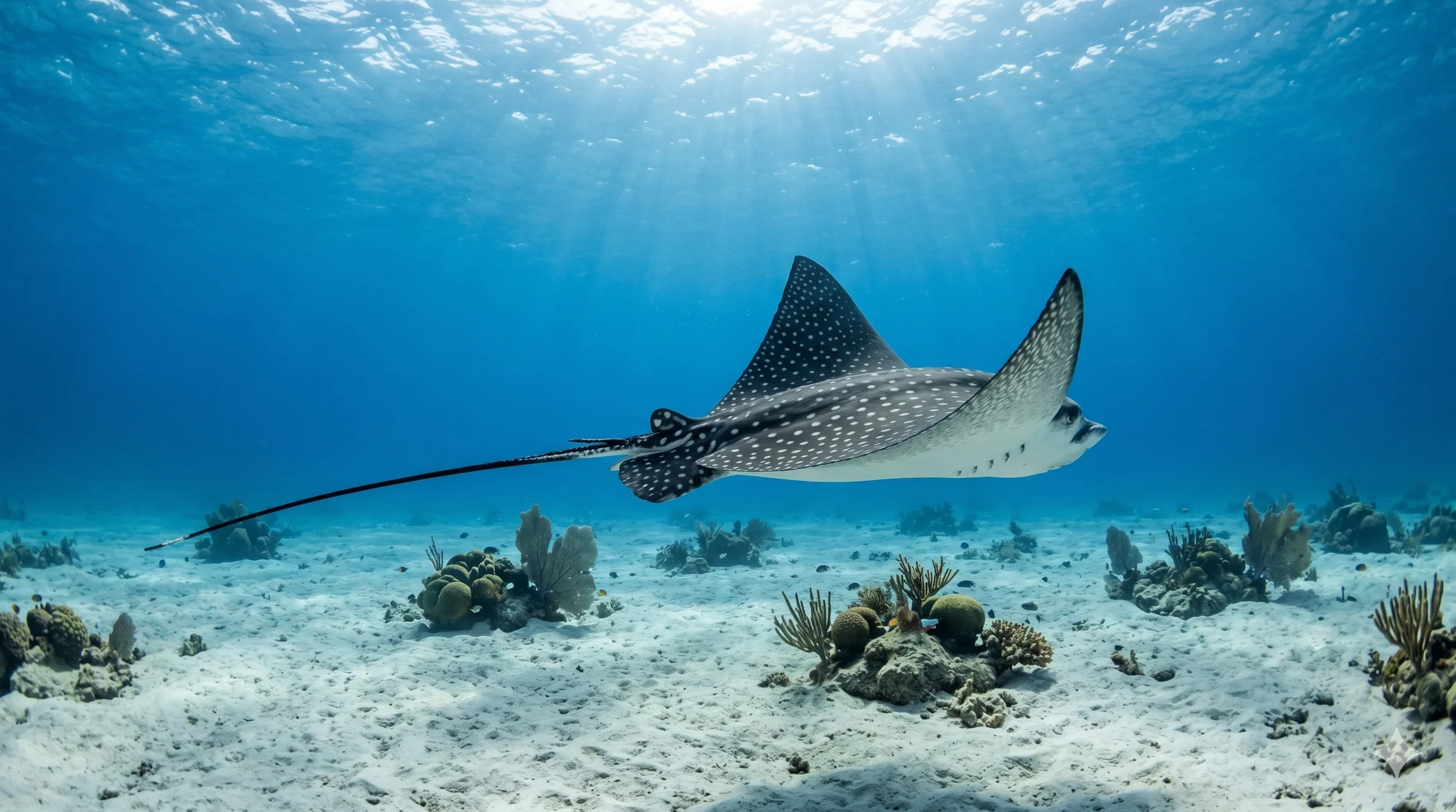
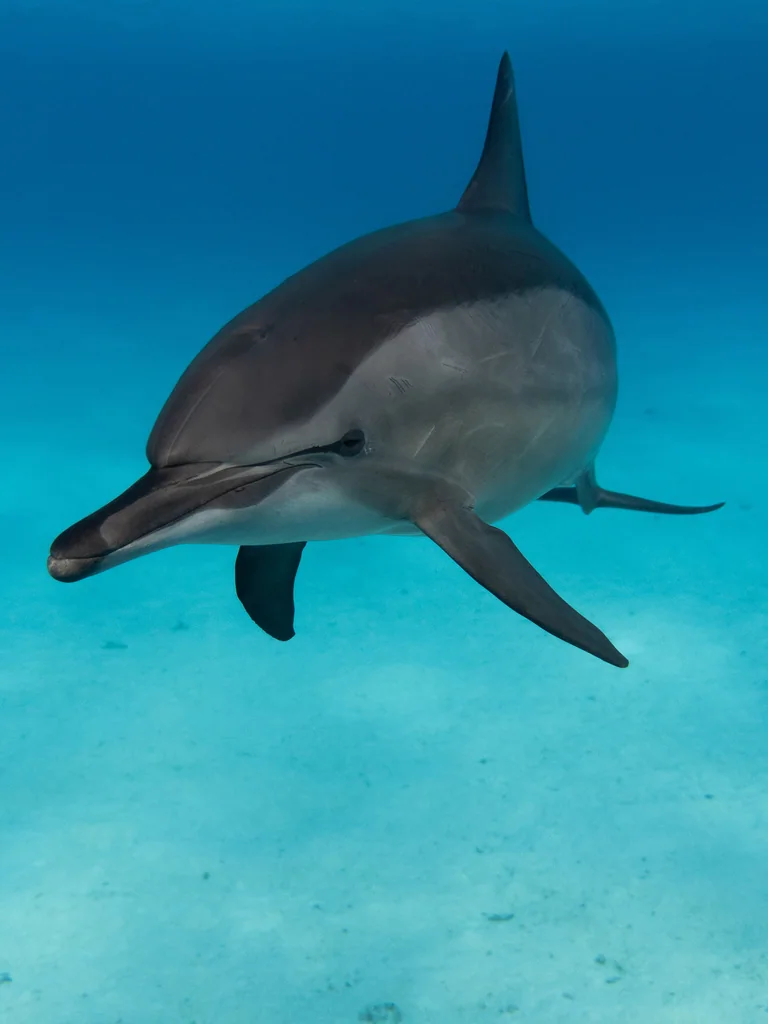
Shot at Bells
Keep reading, and open the whole Atlas.
A free account unlocks every dive site guide and map, the marine life library, member reports, and the full incident log. Free to join.
Join free to keep readingDiver Comments
Share your experience, conditions report or tips about Bells.
No comments yet, be the first to share your experience.