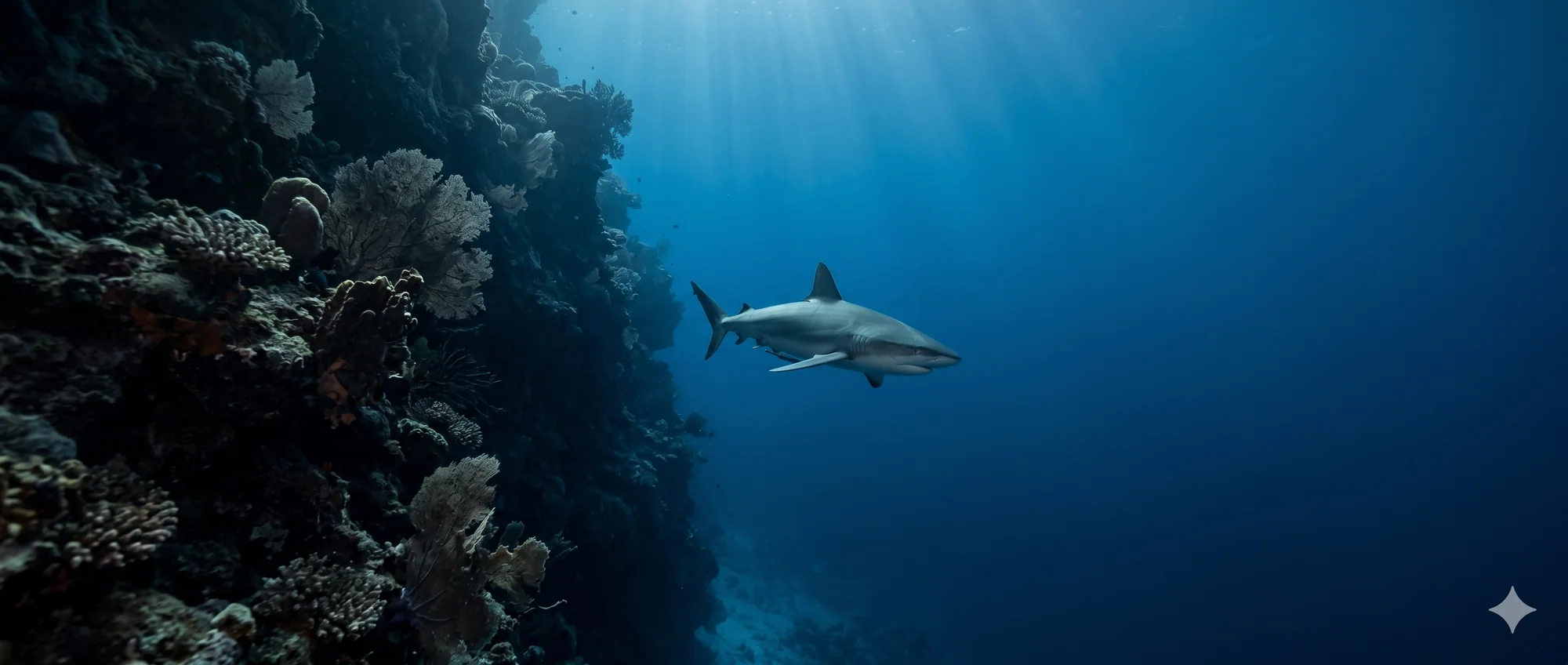
South of St. Johns the map runs out of names, and then two more appear: Zabargad, a mountain of olivine rising out of deep water, and Rocky Island, a scrap of stone another few kilometres on. They are the last diving in Egypt, closer to the Tropic of Cancer than to any resort, and they are reached by exactly one kind of boat on exactly one kind of week.
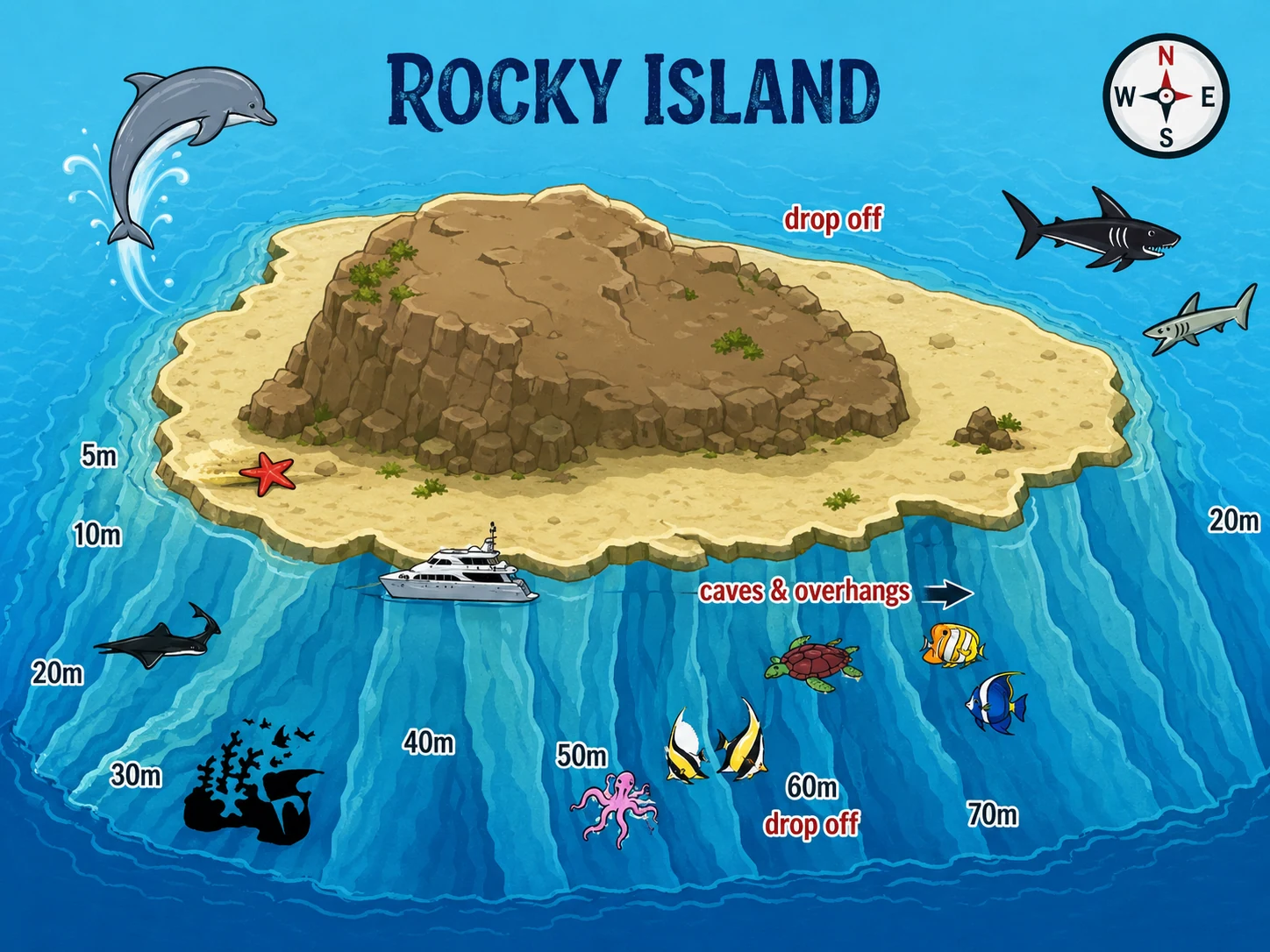
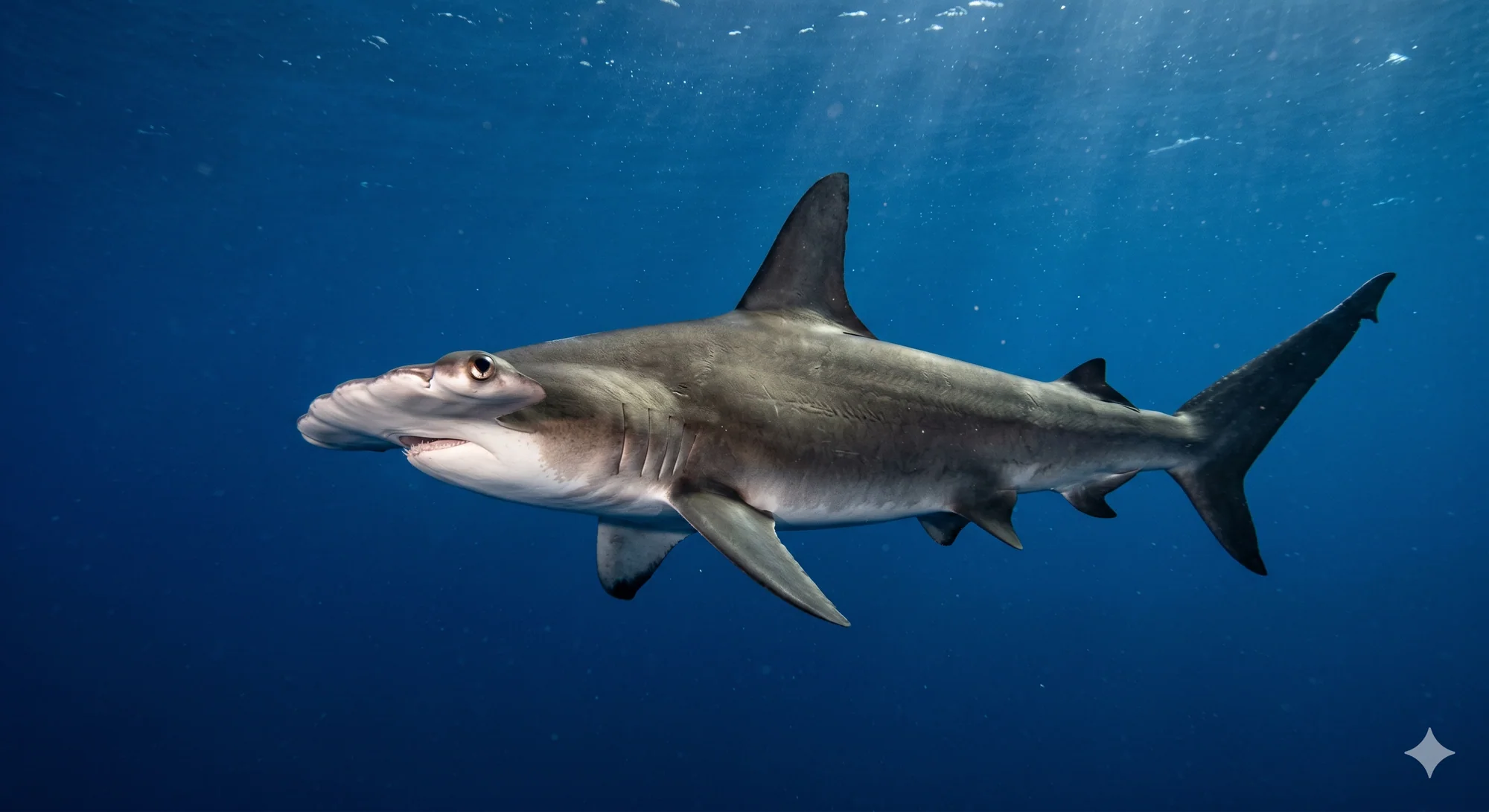
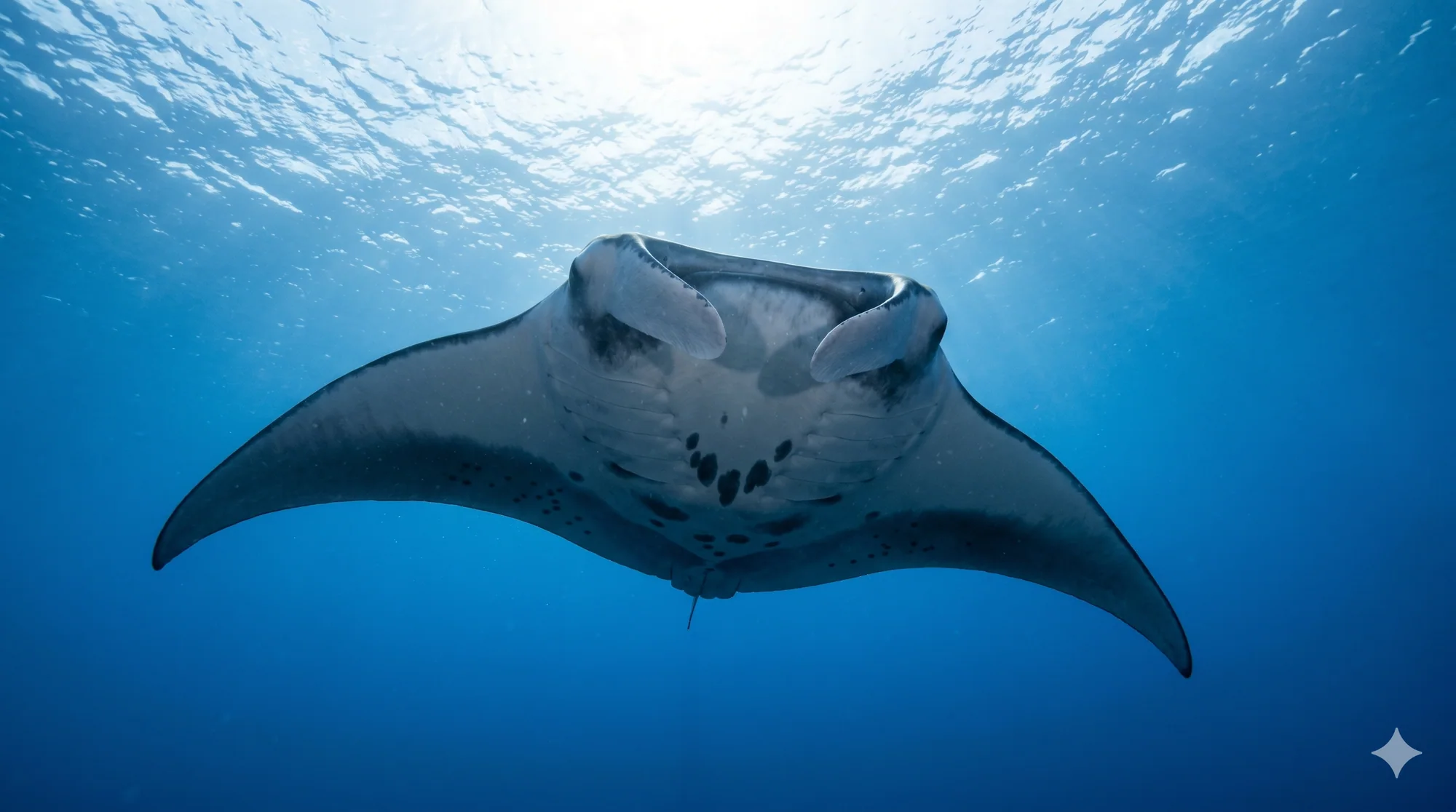
The diving is walls, and the walls are serious. Rocky Island drops sheer on every side into water measured in hundreds of metres, and the current wraps around it like weather. What comes past is the point: grey reef sharks, hammerheads off the points, mantas in season, and the sense, rare anywhere, that nothing about the dive has been arranged for you.
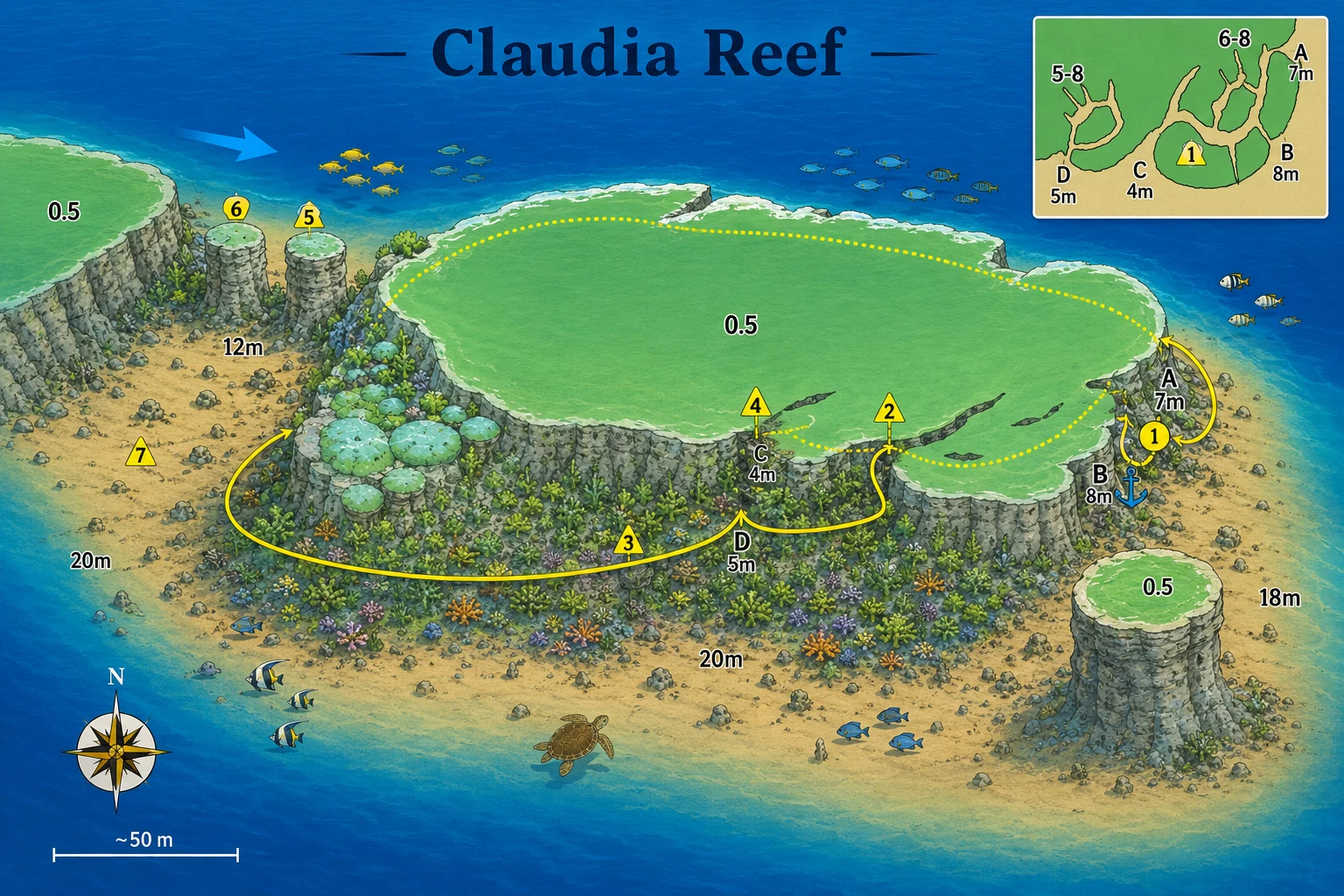
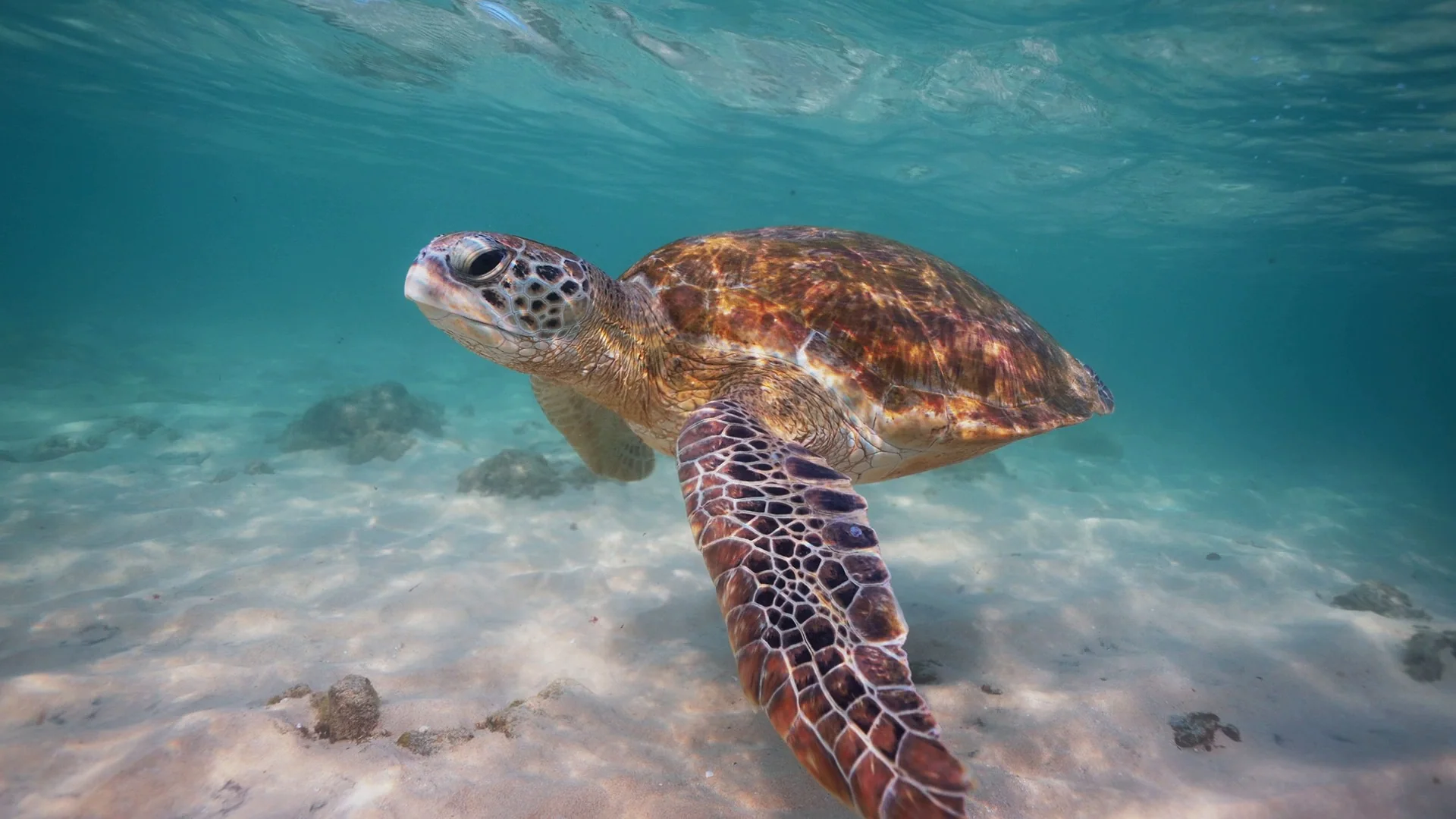
Zabargad is stranger and gentler, a lagoon-fringed island that was mined for peridot from antiquity until the twentieth century. Its southern bay holds coral pinnacles and a sloping plateau that collects turtles, while the outer walls carry the same big-water traffic as Rocky.
The honest warning: this route spends real time under way, the sea state decides the plan, and there is no mobile signal, no bailout port and no shop. That is the cost, and for the divers this route is for, it is also the product. The week rounds out on the St. Johns reefs, which after Rocky feel like a warm bath.
A typical week
Itineraries flex with the weather and the group. This is the shape of the week, not a promise of it.
Boarding at Port Ghalib or Hamata, marine park checks, and an early night before the long run.
Check dive on a coastal reef, then the boat commits to the crossing. The afternoon is open sea.
The heart of the trip. Rocky's walls and points with the current running, Zabargad's southern plateau and pinnacles as the recovery dives. Shark watches at dawn, blue-water safety stops all day.
A final island morning, then the run back north to the St. Johns complex for a sheltered afternoon dive.
Cave systems, coral gardens and an easy pace to close the week. Often a Sataya dolphin stop if the schedule allows.
Coastal dives on the run home, then the marina. Disembark the following morning.
Advanced Open Water certification and a minimum of 50 logged dives are required by the marine park authority.
Every diver carries their own surface marker buoy and deploys it on every ascent in open water.
Night diving is not permitted inside the offshore marine parks.
Gloves are not permitted in Egyptian marine parks.
Boats tie in to fixed moorings. Anchoring on the reef is prohibited.
Signature sites
Who you meet
Who runs it
The Atlas documents routes independently and lists operators we would sail with ourselves.
Keep reading, and open the whole Atlas.
A free account opens every route guide, the full dive site catalogue, season windows and the incident log. Free to join.
Join free to keep reading