Rocky Island & Zabargad
Rocky Island and Zabargad are two of the most remote dive sites accessible in Egypt, a pair of islands in the deep south, reached only by liveaboard. The sites see far fewer divers, and the reef condition reflects that.
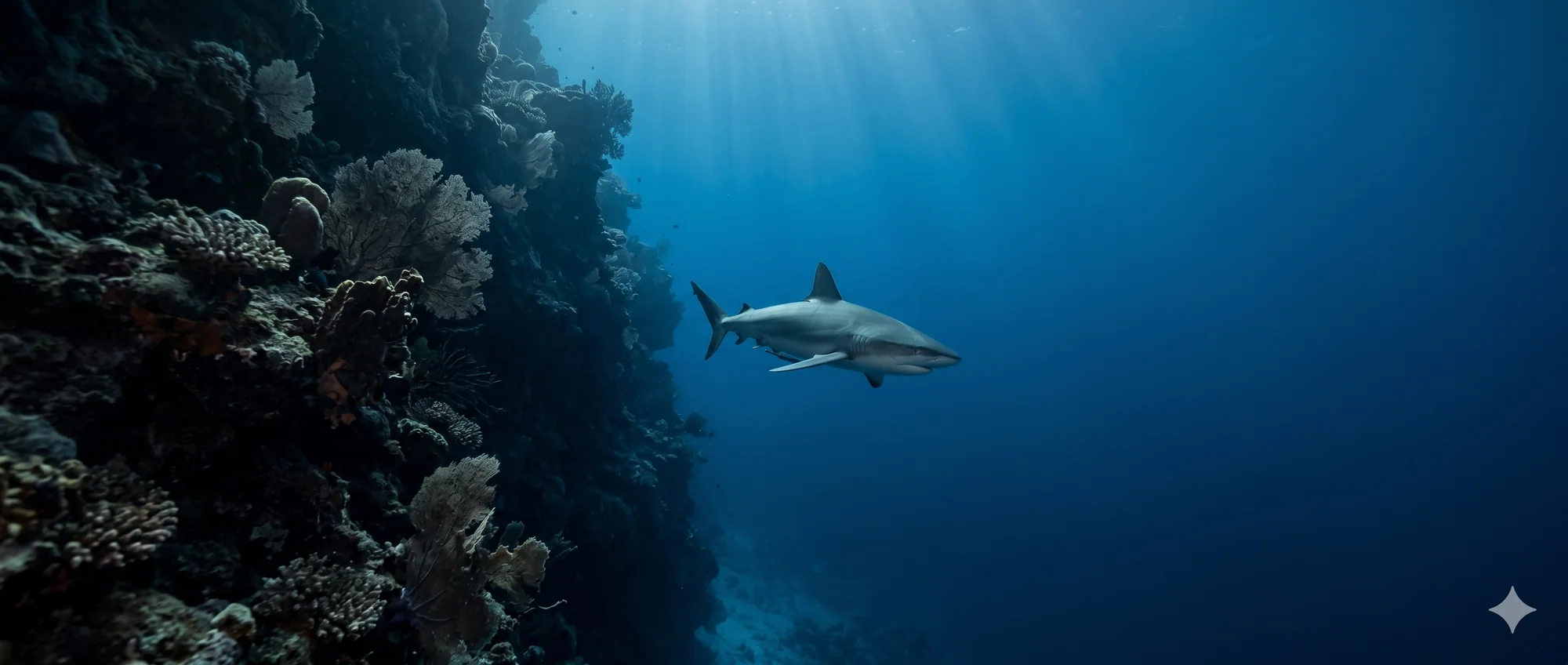
Rocky Island is a sheer-sided seamount rising from deep water. The walls drop vertically in every direction. The primary draw for most divers is the tiger shark, it is why the site has a dedicated following despite its remoteness. Tiger sharks are rare here, and rarer than the scalloped hammerhead, which itself is considered a rare sighting. Do not come expecting a guarantee. The soft coral walls are a highlight in their own right, dense growth covering the seamount faces in brilliant colour, with massive schools of barracuda hanging above and grey reef sharks working the walls below.
Zabargad sits nearby and is a different kind of dive entirely. The island is historically extraordinary, it was the world's primary source of peridot, the pale green gemstone, for over 3,500 years, from ancient Egyptian times through to the 19th century. The ancient Greeks called it Topazos. The mines are still visible on the island. Zabargad, in fact, is the Arabic word for peridot, the island takes its name from the stone. The reef surrounding it is among the most pristine in the Red Sea: dense coral coverage, abundant reef fish, turtles, rays. The outer walls deliver pelagics; the inner reef is calm and exceptional for anyone willing to slow down.
This is a season-dependent itinerary. The sites are only diveable between October and May, summer brings conditions that make the crossing impractical. Other operators visit occasionally but not on a fixed schedule. If you have the chance to go, you go.
Drop on the wall and work south toward the southeast corner, this is the most reliable spot for shark encounters, where the sandy shelf that encircles the island widens and the water concentrates pelagic life. The tiger shark is the primary reason divers make this trip, sightings are never guaranteed and encounters are rarer than the scalloped hammerhead, which is itself a rare sighting. Stay in a tight group, move slowly, no sudden movements. The soft coral walls and the barracuda school above are highlights in their own right, hold position and let the marine life come to you. Ascend along the wall when bottom time calls. DSMB on the safety stop.
The inner reef at Zabargad is the gentlest dive in the deep south, dense hard coral, hawksbill turtles that have no fear of divers, and marine life in densities that reflect decades of complete protection. A good second or third dive of the day after the deeper Rocky Island dives. Work the reef flat at 10–15m and drop to the wall edge at 20–25m for the occasional pelagic pass. The macro life on the inner reef is exceptional for those who want to slow down.
The outer wall drops into deep blue with occasional manta rays, silky sharks and in the right season, whale sharks in the open water. Less predictable than Rocky Island for pelagics but completely uncrowded and in extraordinary condition. Drift the wall with the current and ascend when bottom time calls, DSMB mandatory, zodiac pickup on the surface.
The numbers
What you need to know
Access & operators
Know the reef before you dive it
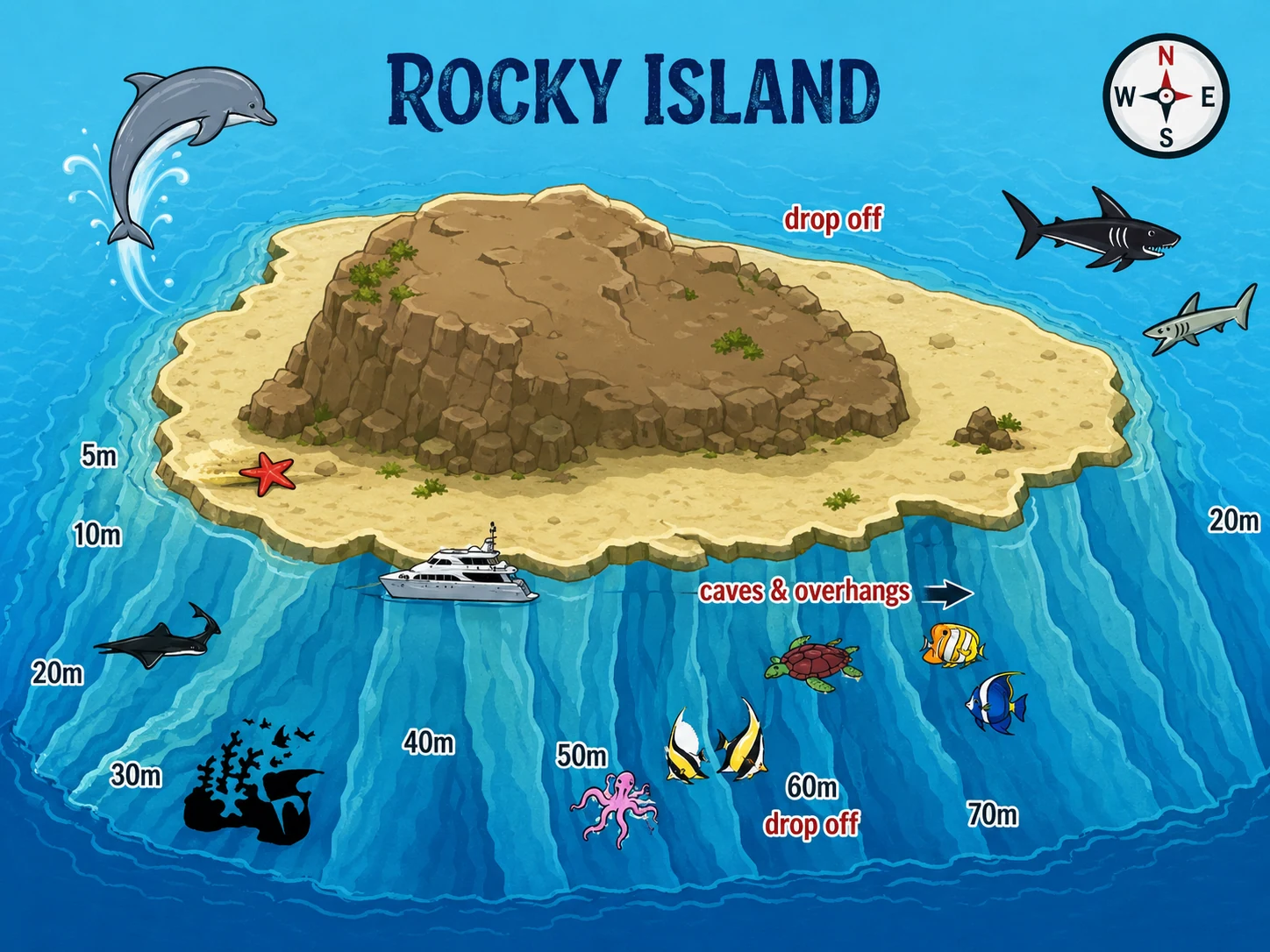
Original maps created for The Red Sea Atlas · Not for navigation
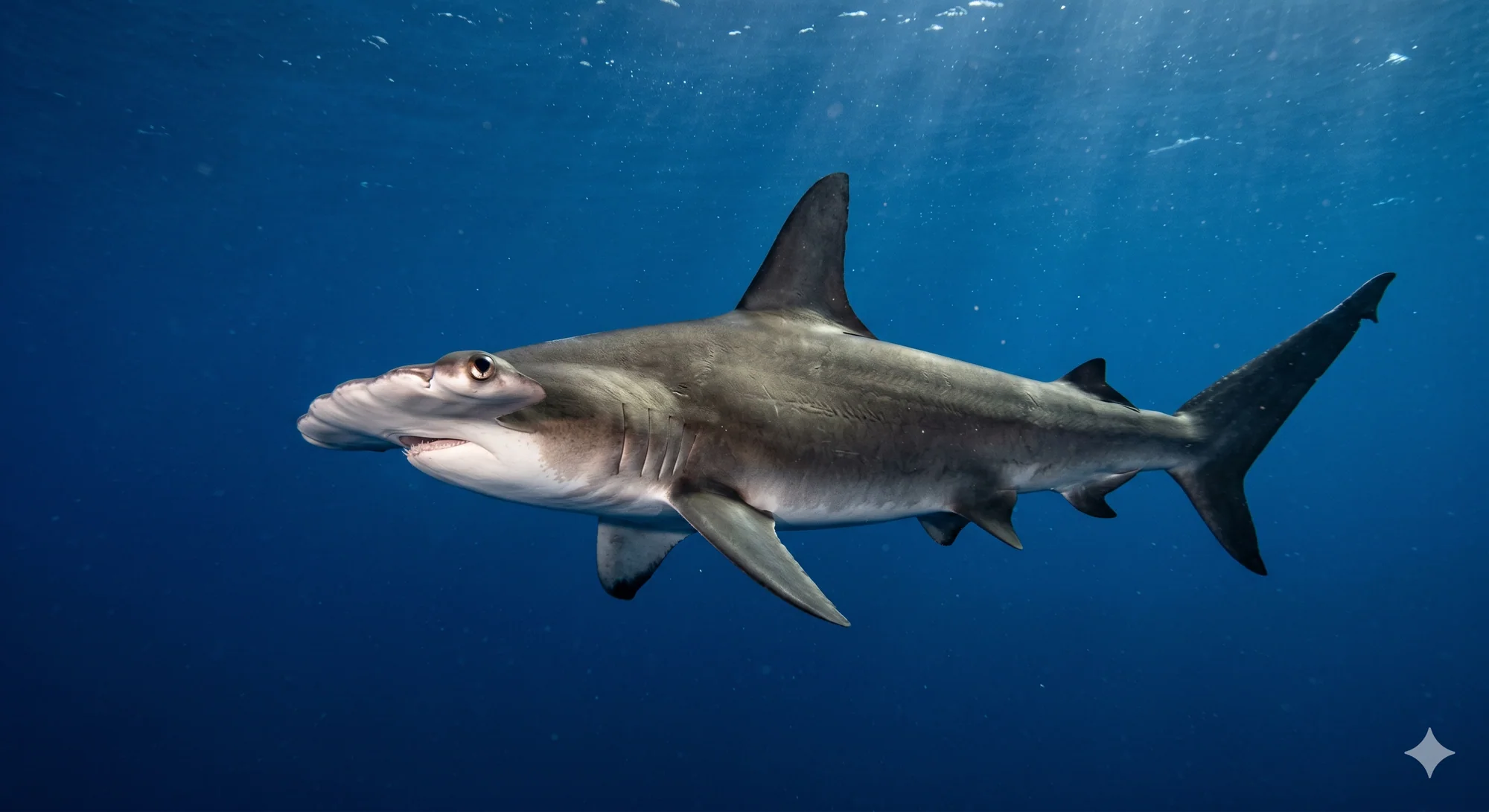
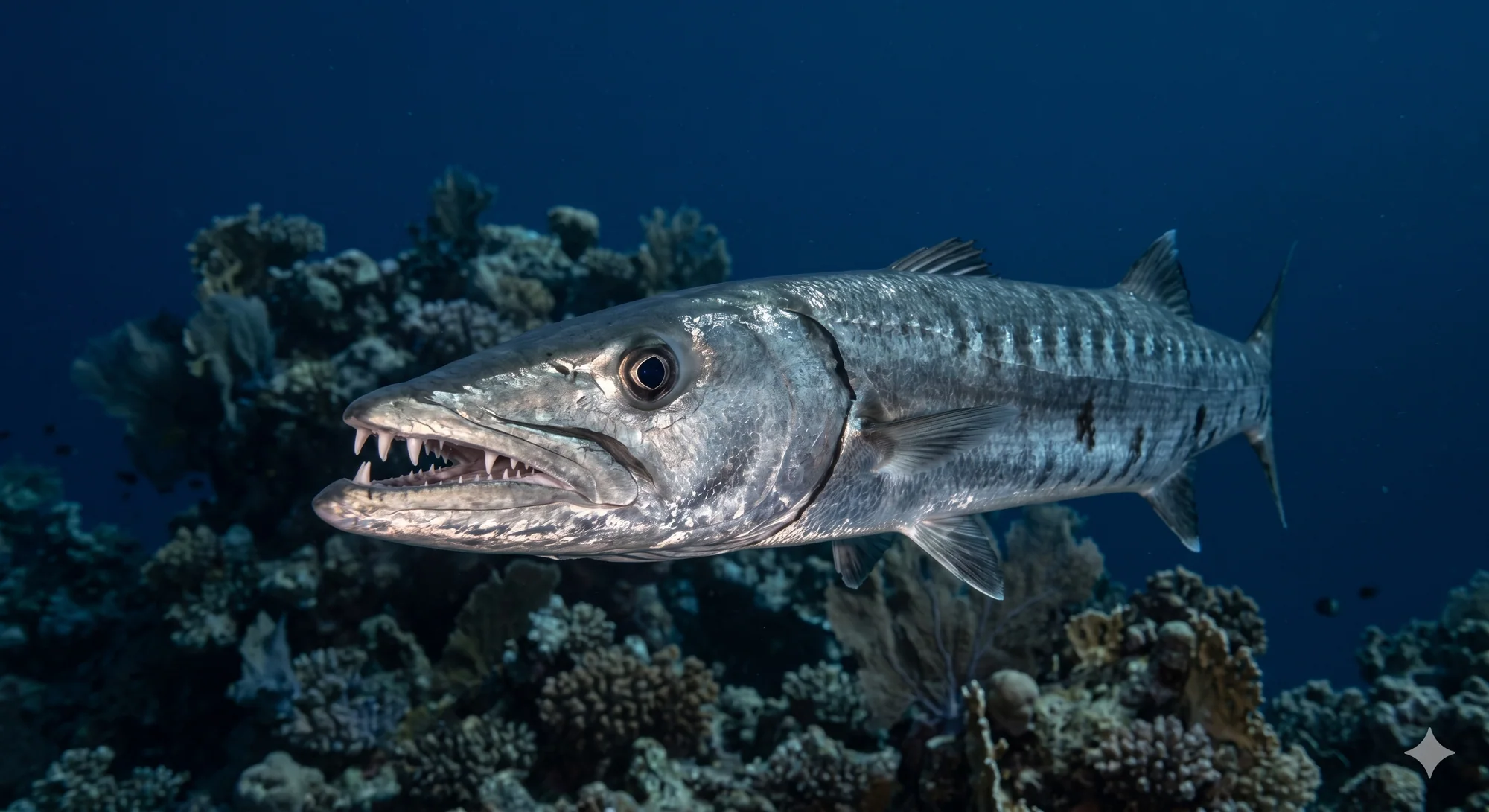
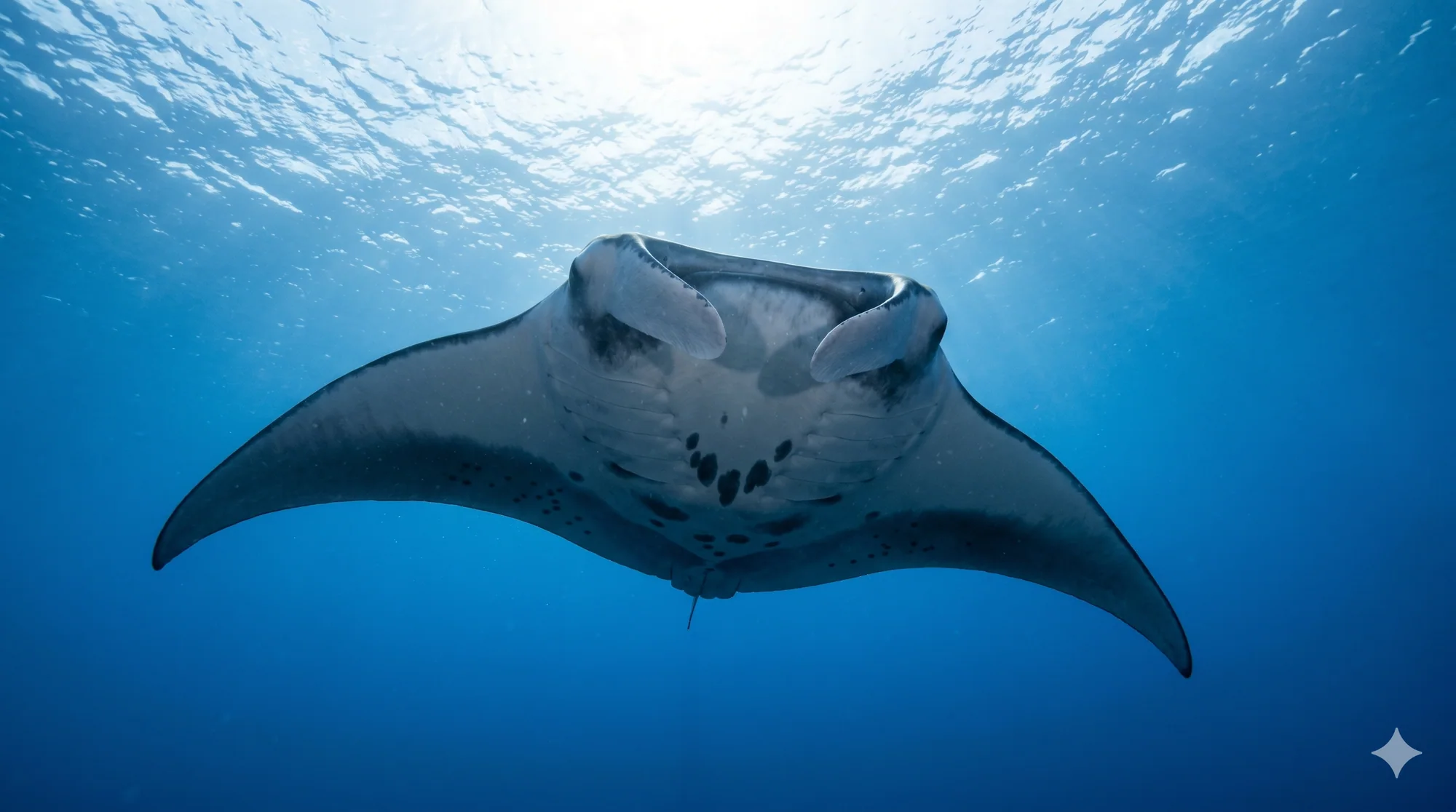
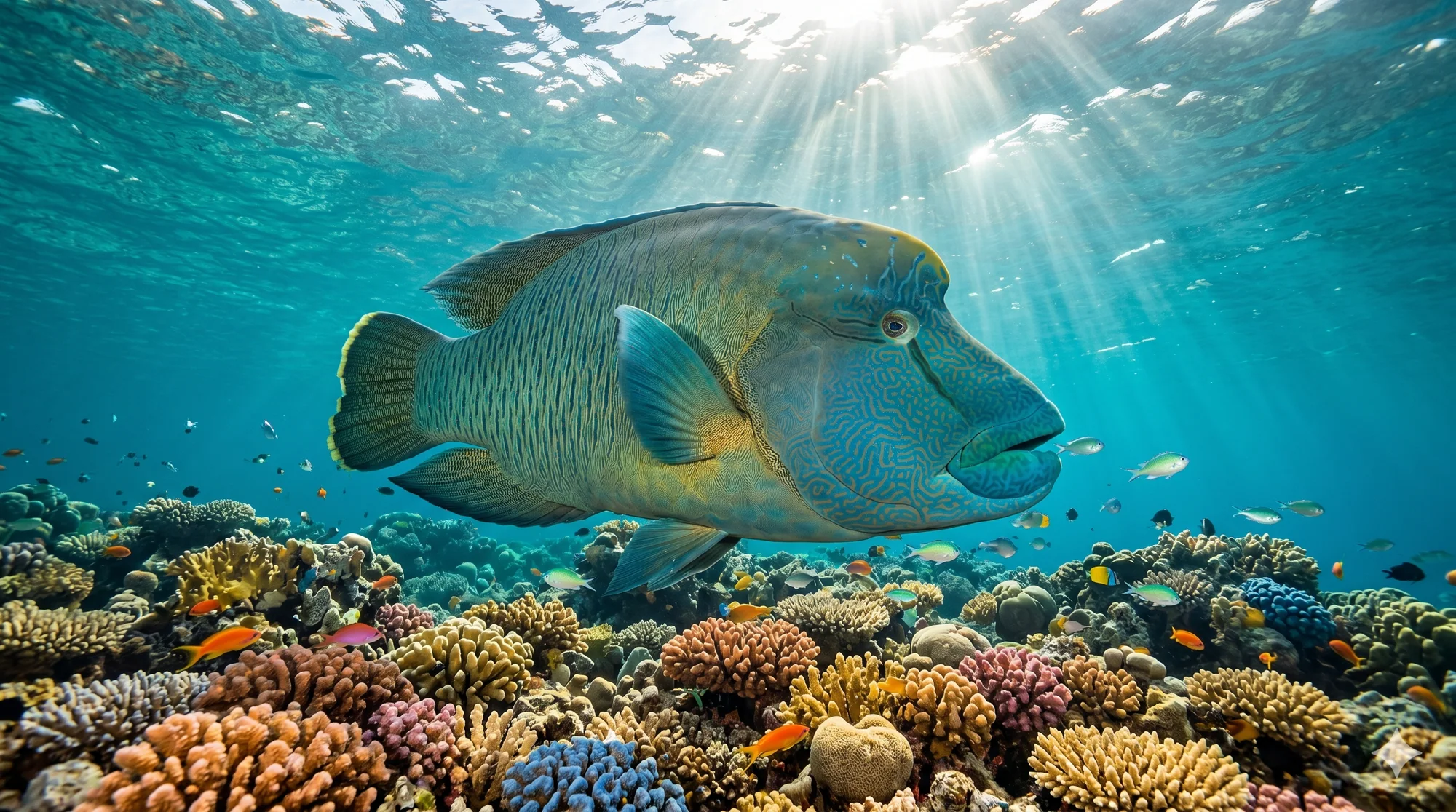
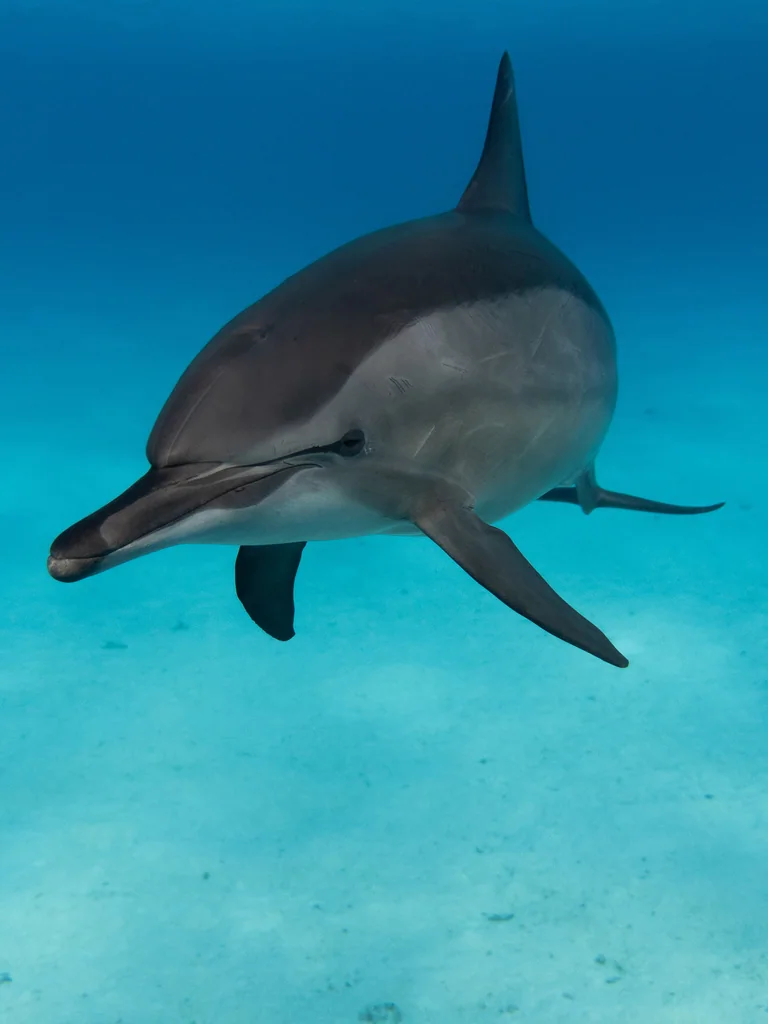
Shot at Zabargad
Keep reading, and open the whole Atlas.
A free account unlocks every dive site guide and map, the marine life library, member reports, and the full incident log. Free to join.
Join free to keep readingDiver Comments
Share your experience, conditions report or tips about Zabargad.
No comments yet, be the first to share your experience.