The Brothers, Big & Little
Big Brother and Little Brother are twin seamounts rising from 800m of open ocean, approximately 55km east of Al Quseir in the central Red Sea. The two reefs sit 1.5km apart, each with its own structure, its own dive profiles, and its own reason to be on the list.
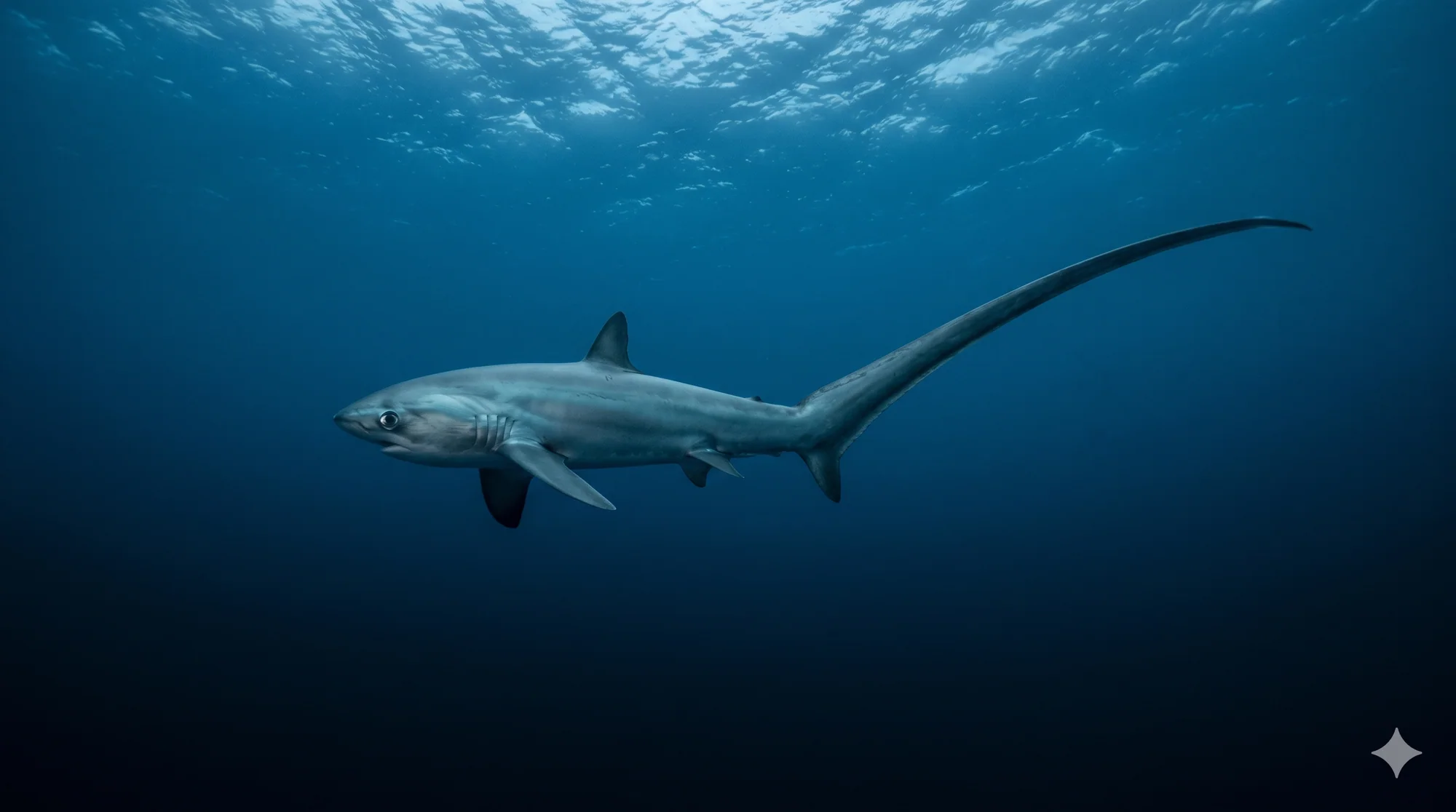
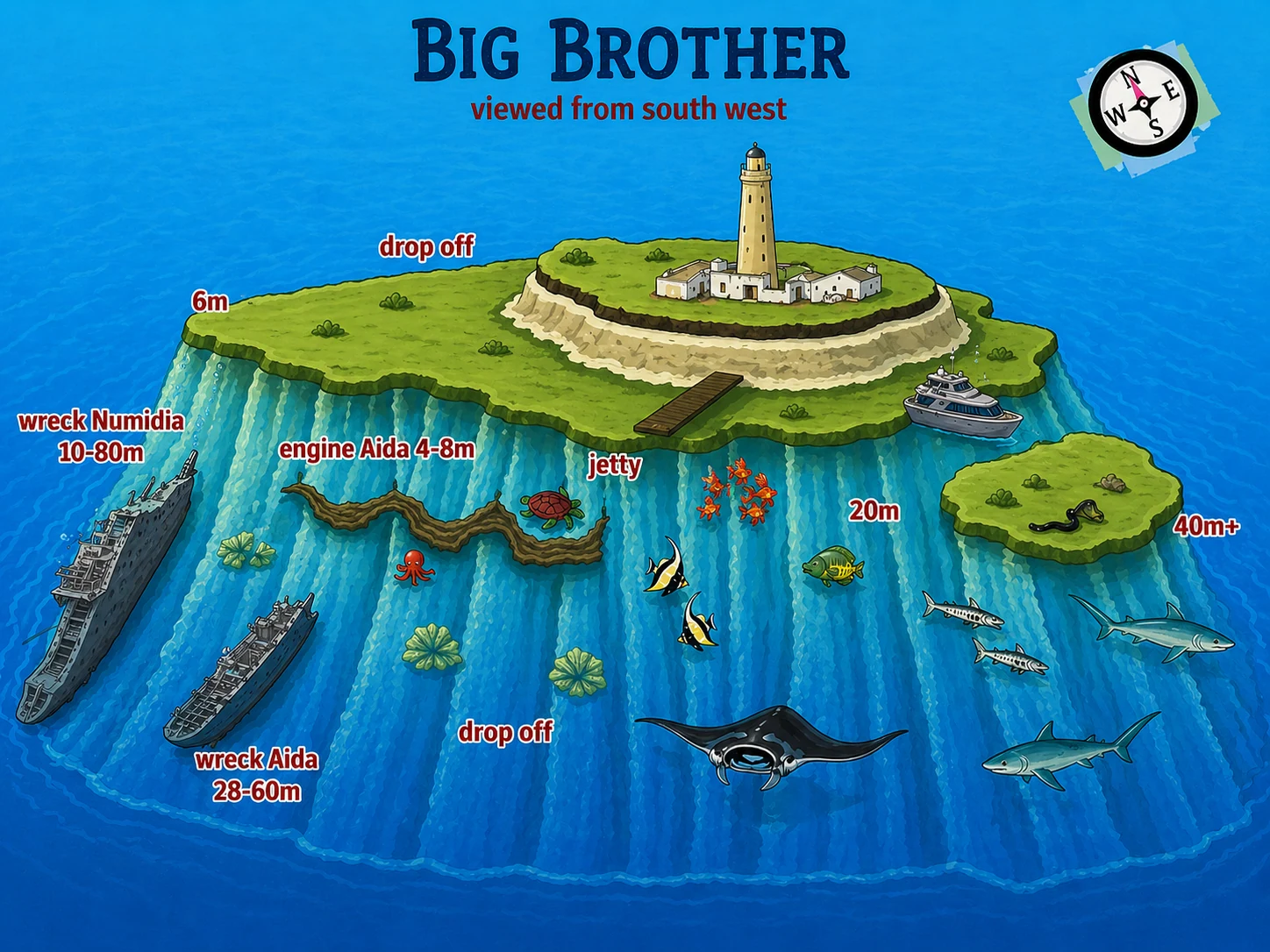
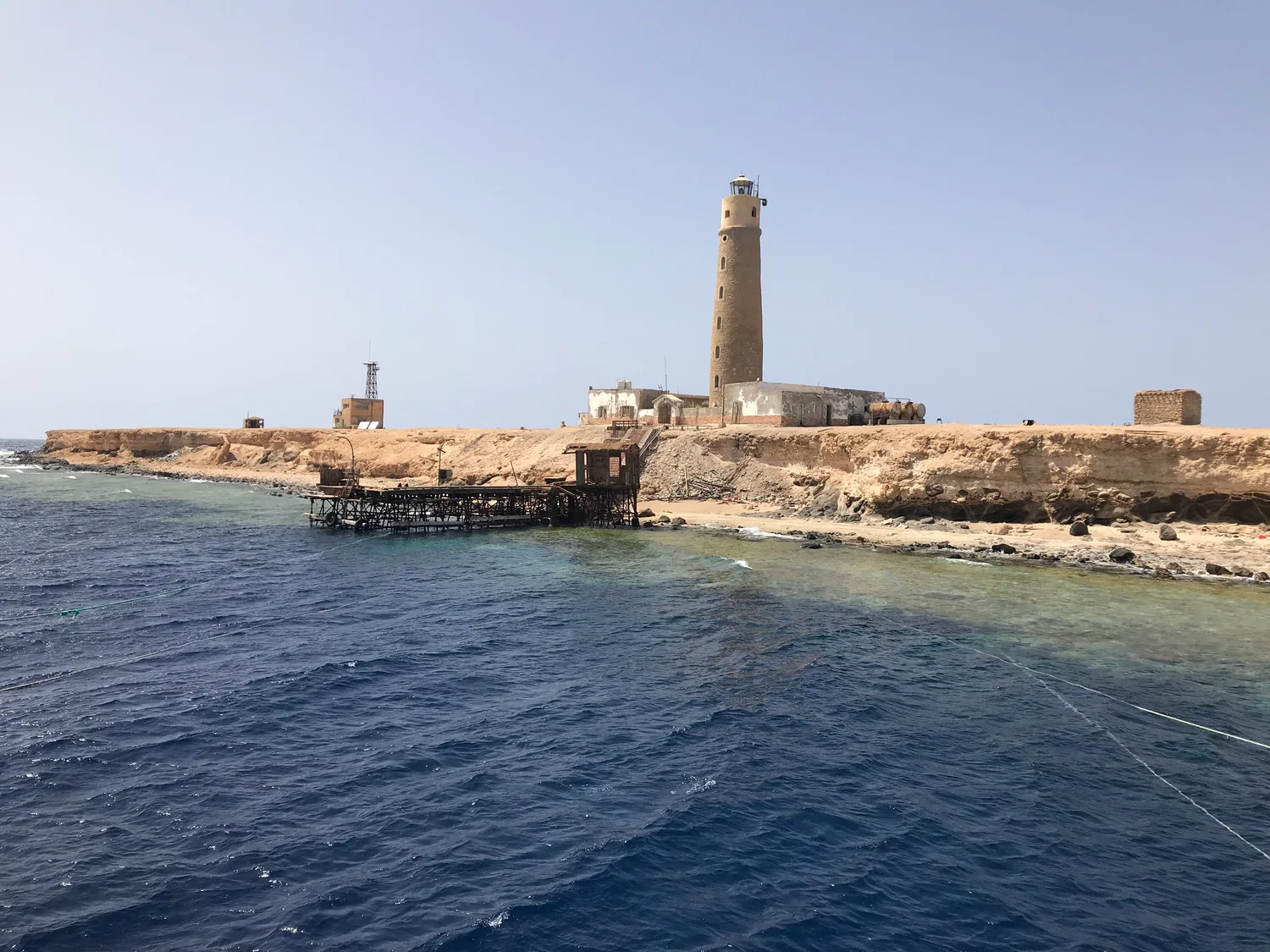
Big Brother runs roughly 400m north to south, a narrow ridge rarely more than 50m across. The lighthouse at the island's centre was built by the English in 1880 and still operates today. The north plateau sits at 12–18m, the Numidia lies on the northwest face here, cascading from 8m down the wall. Further south along the west wall sits the Aida, resting at a steep angle from around 16m down to 65m. The walls on both sides drop sheer to beyond 100m. Moving south, the ridge opens onto the south plateau at around 18–25m: broader, more exposed, and where the pelagic action concentrates. Oceanic whitetips work the water column here year-round; threshers are a consistent sighting at depth. Currents run predominantly north–south and are strongest around both tips.
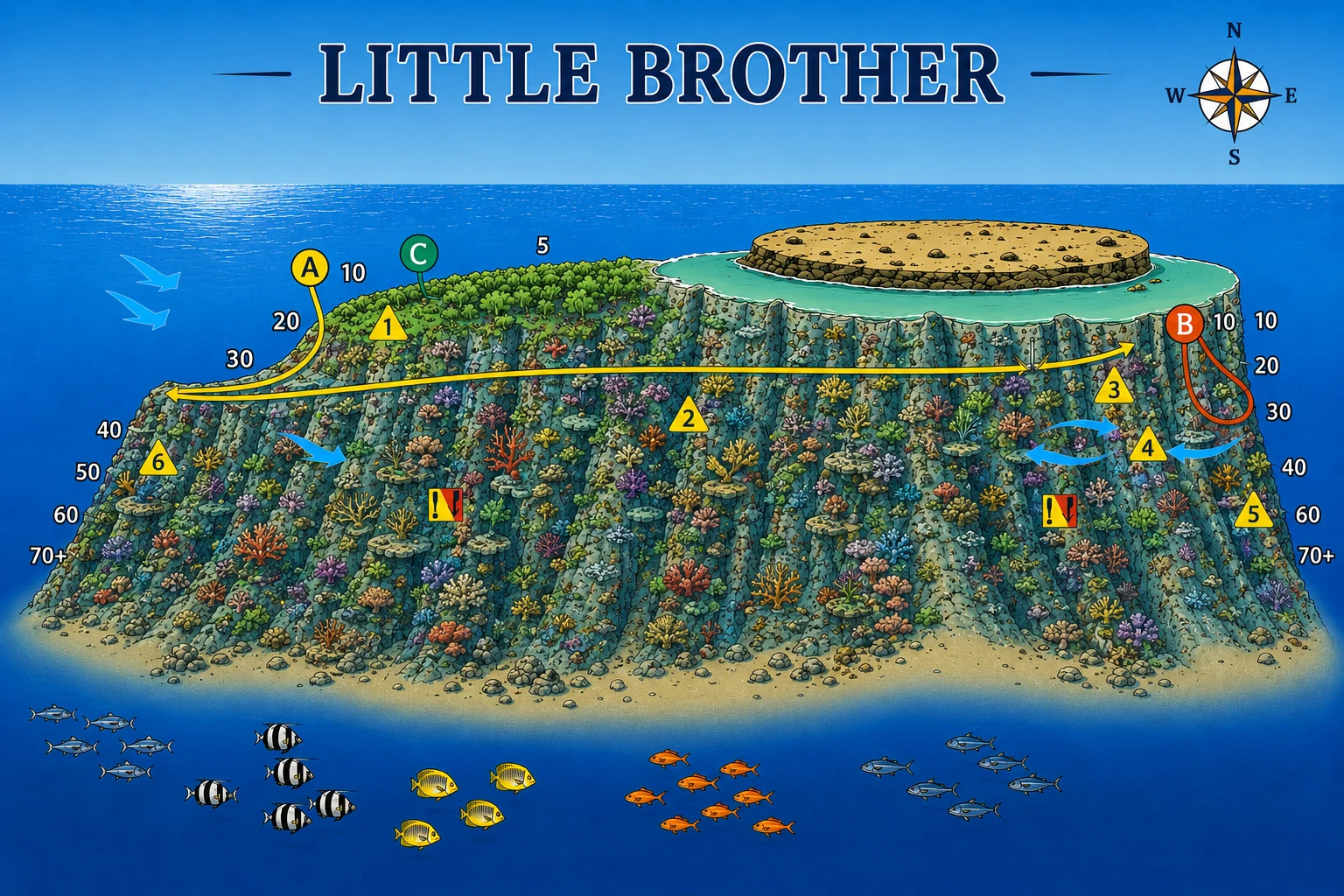
Little Brother is smaller, steeper, and more exposed. The reef is roughly oval, rising sharply on all sides with no significant ledge to shelter behind. The north plateau, at 15–22m, is the focal point of almost every dive here. Scalloped hammerheads are sighted in the cooler months, typically one or two passing through rather than the schools that form at Daedalus, but the north plateau is where they appear, early morning before the current builds. From the north, the walls drop sheer on all sides to beyond 100m. The south wall is more exposed and more current-swept, where grey reefs and silkies concentrate in open water. There is no sheltered side on Little Brother, the current dictates where you dive and how you exit.
Both reefs are liveaboard-only. No day boat makes this crossing.
Drop onto the north plateau at 12–18m and work the northwest face, the Numidia starts at 8m and cascades down the wall. Continue south along the west wall to find the Aida at 16–30m. Current permitting, drift to the south end and swim back to the liveaboard. If the current is against you, surface and signal for zodiac pickup.
Zodiac drops you at the south end. Hold depth on the south plateau at 18–25m and let the current carry you north along the east or west wall. This is the pelagic zone, oceanic whitetips and threshers work the water column here. End wherever the drift leaves you: swim back to the boat if it's close, or surface and take the zodiac back.
Zodiac drops you onto the north plateau at 15–22m. Spend the first half of the dive stationary here, in cooler months hammerheads pass through, typically one or two at a time, and stillness is what gets you close. If time and current allow, take a lap around the island along the wall. End back on the north plateau and swim to the liveaboard, or surface for zodiac pickup if the current has pushed you.
Aida & Numidia
The Numidia struck the northern tip of Big Brother on 19 July 1901, en route from Glasgow to Calcutta with a cargo of iron rails. She now lies on the reef slope in two sections, the bow at 8m cascading down to the stern well beyond recreational depth. The upper sections are blanketed in soft coral and gorgonians. Best dived in two separate dives: one for the shallower bow and midship structure, one for the deeper stern.
- –Iron cargo rails still visible at 15–20m
- –Dense soft coral from 8m to 30m
- –Stern and propeller beyond 60m for tech divers
- –Resident Napoleon wrasse and schooling barracuda
The Aida went down in 1957 and lies on the west wall of Big Brother at a steep angle, accessible from around 16m down to 65m, with the deepest sections drawing technical divers. The hull is covered in some of the most spectacular soft coral growth of any wreck in the Red Sea, dense and largely undisturbed. The wheelhouse and upper structure are accessible to recreational divers at 16–30m. Diveable in a single drift following the wall south.
- –Wheelhouse accessible at 20–24m
- –Ship's name still visible through the coral
- –Dense gorgonian fans along the superstructure
- –Resident lionfish and dense glassfish clouds
The numbers
What you need to know
Access & operators
Know the reef before you dive it
 Big Brother Island
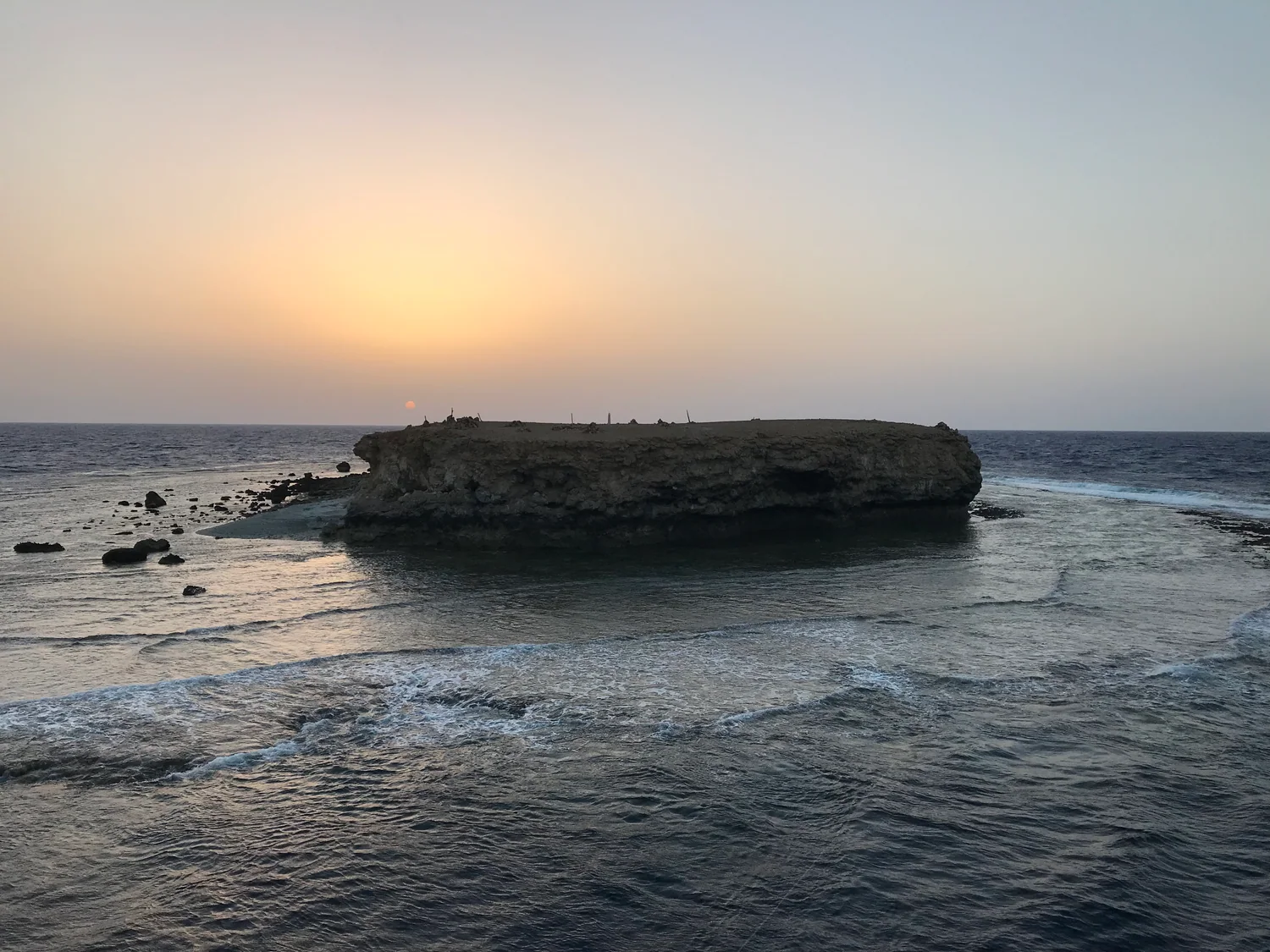 Little Brother Island · viewed from the east
Original maps created for The Red Sea Atlas · Not for navigation
What you might encounter
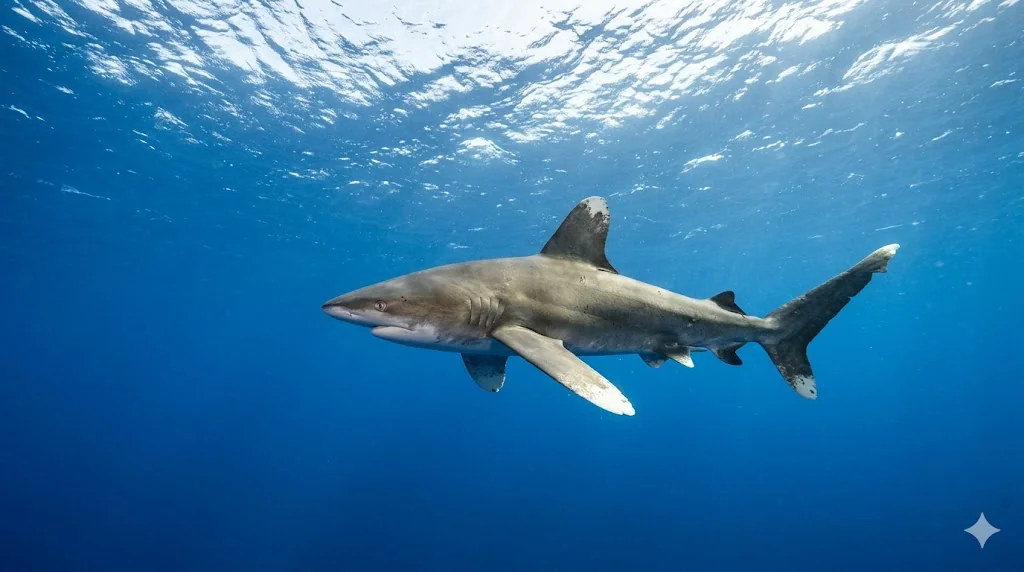
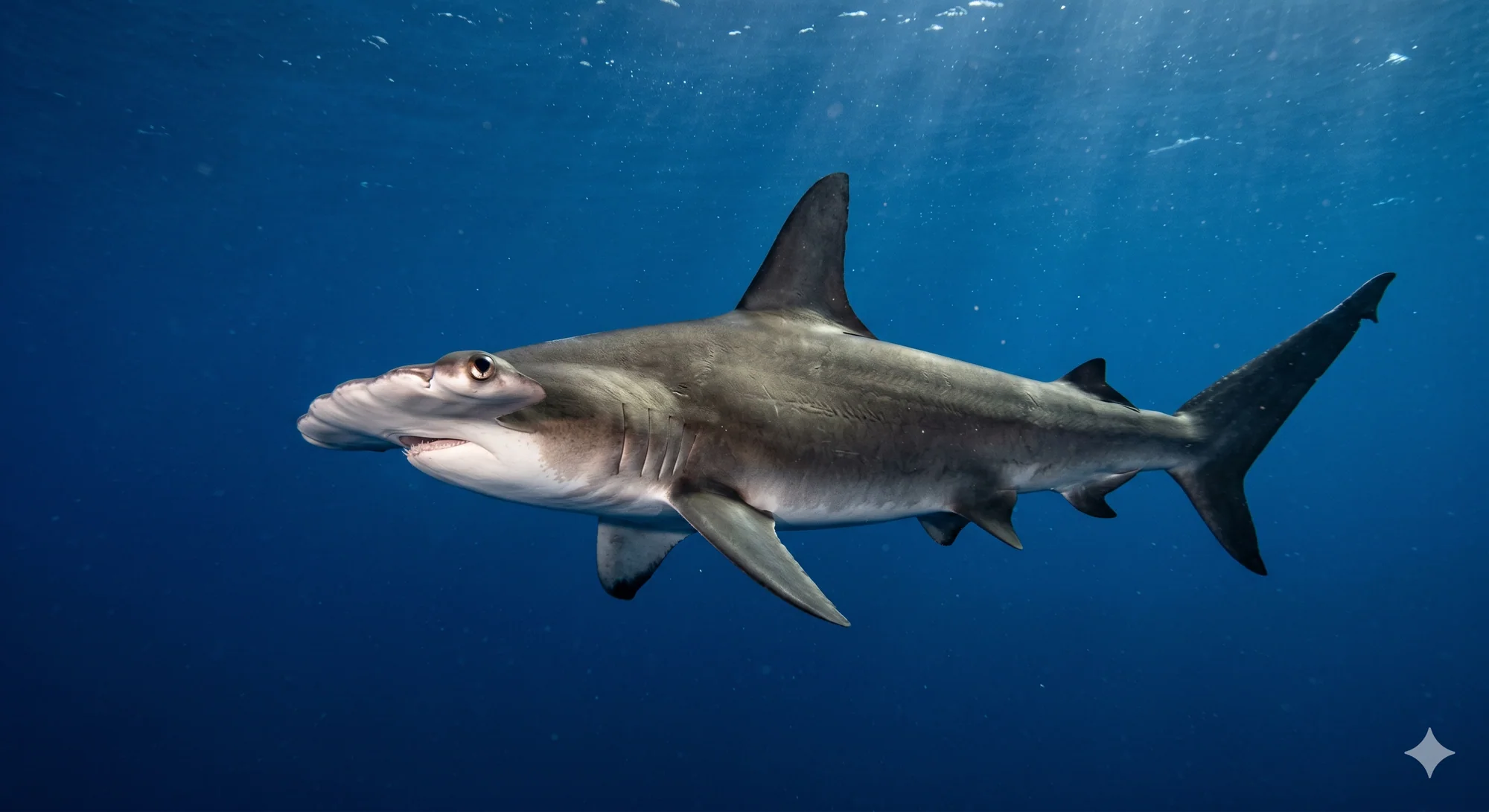
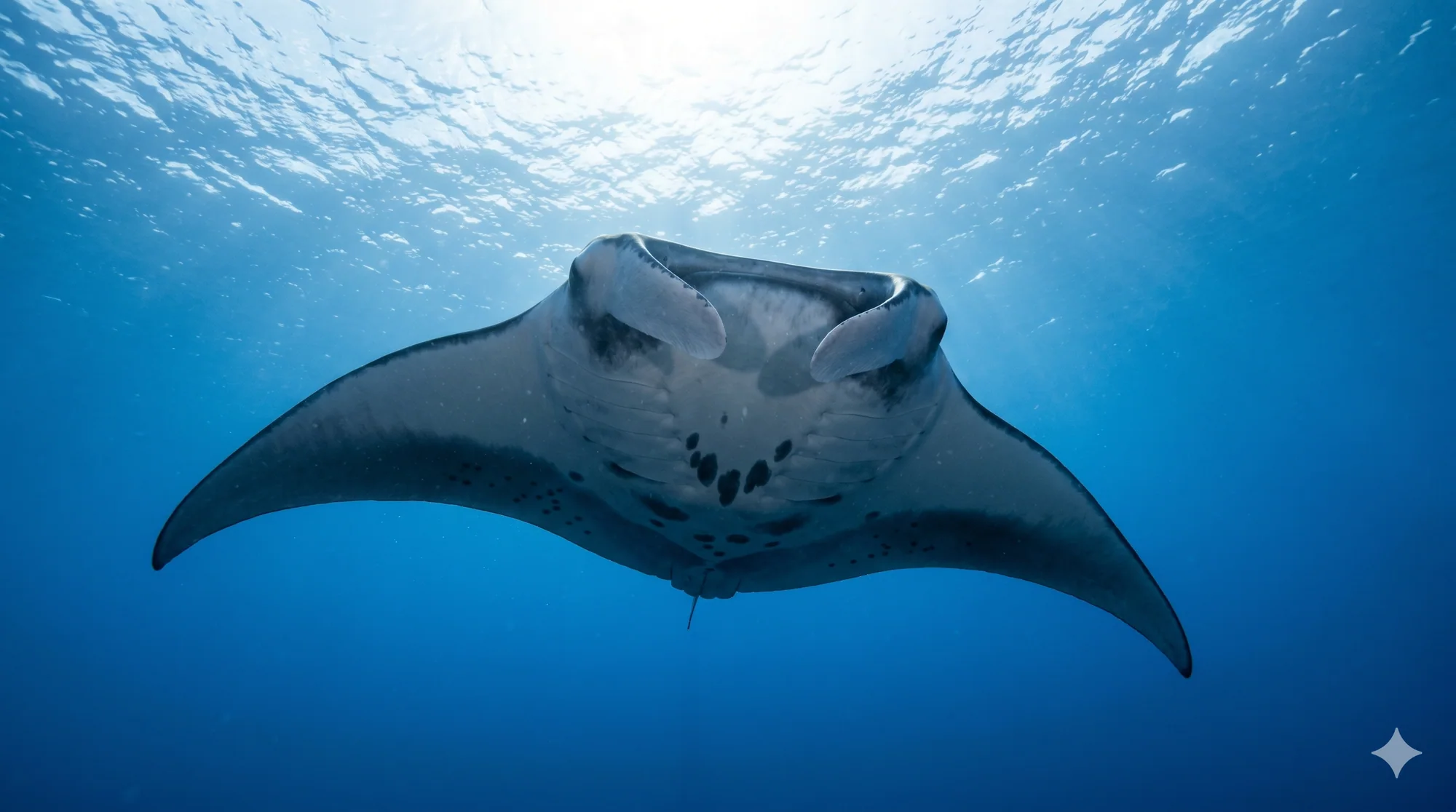
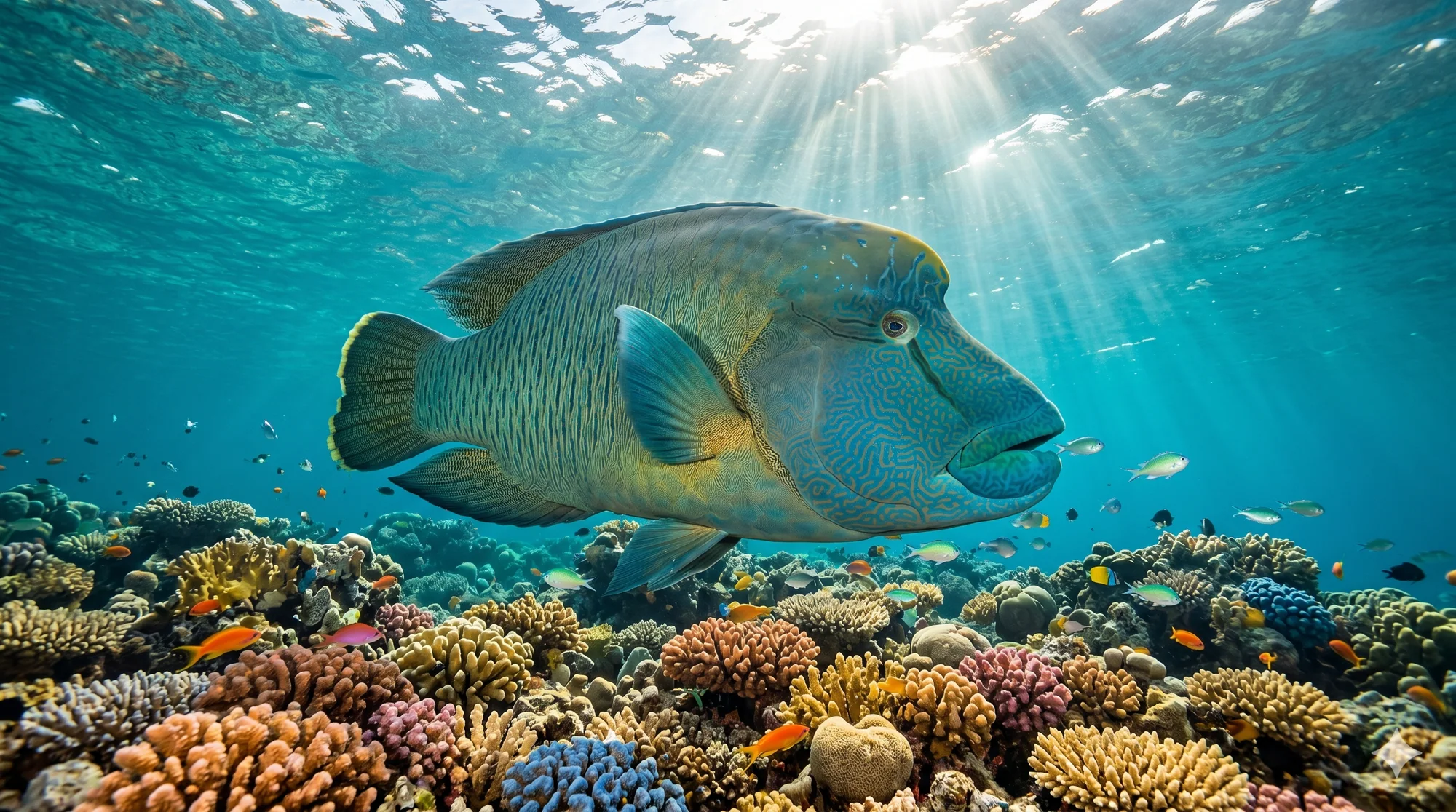
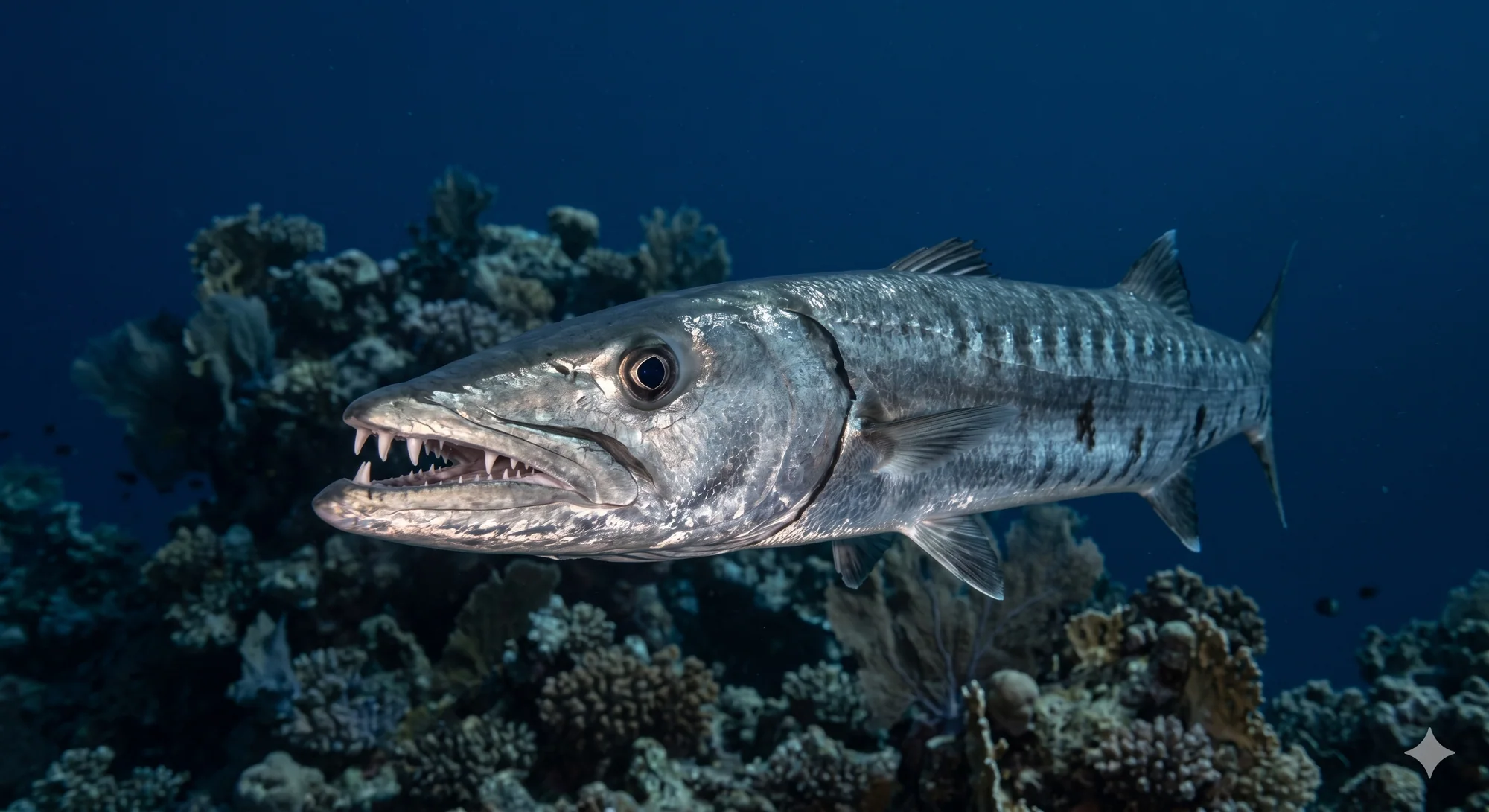
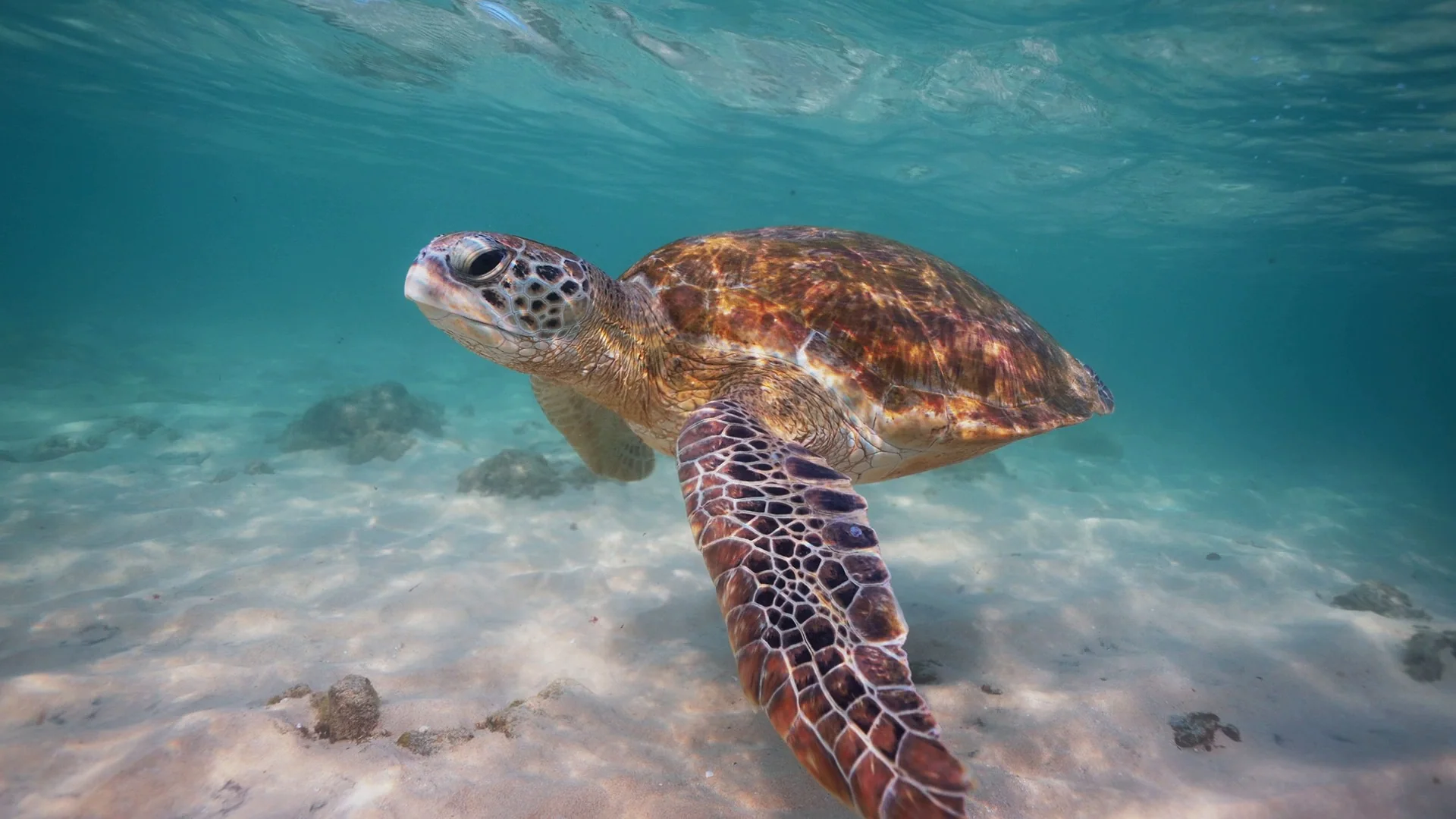
Shot at Big & Little
Keep reading, and open the whole Atlas.
A free account unlocks every dive site guide and map, the marine life library, member reports, and the full incident log. Free to join.
Join free to keep readingDiver Comments
Share your experience, conditions report or tips about Big & Little.
No comments yet, be the first to share your experience.