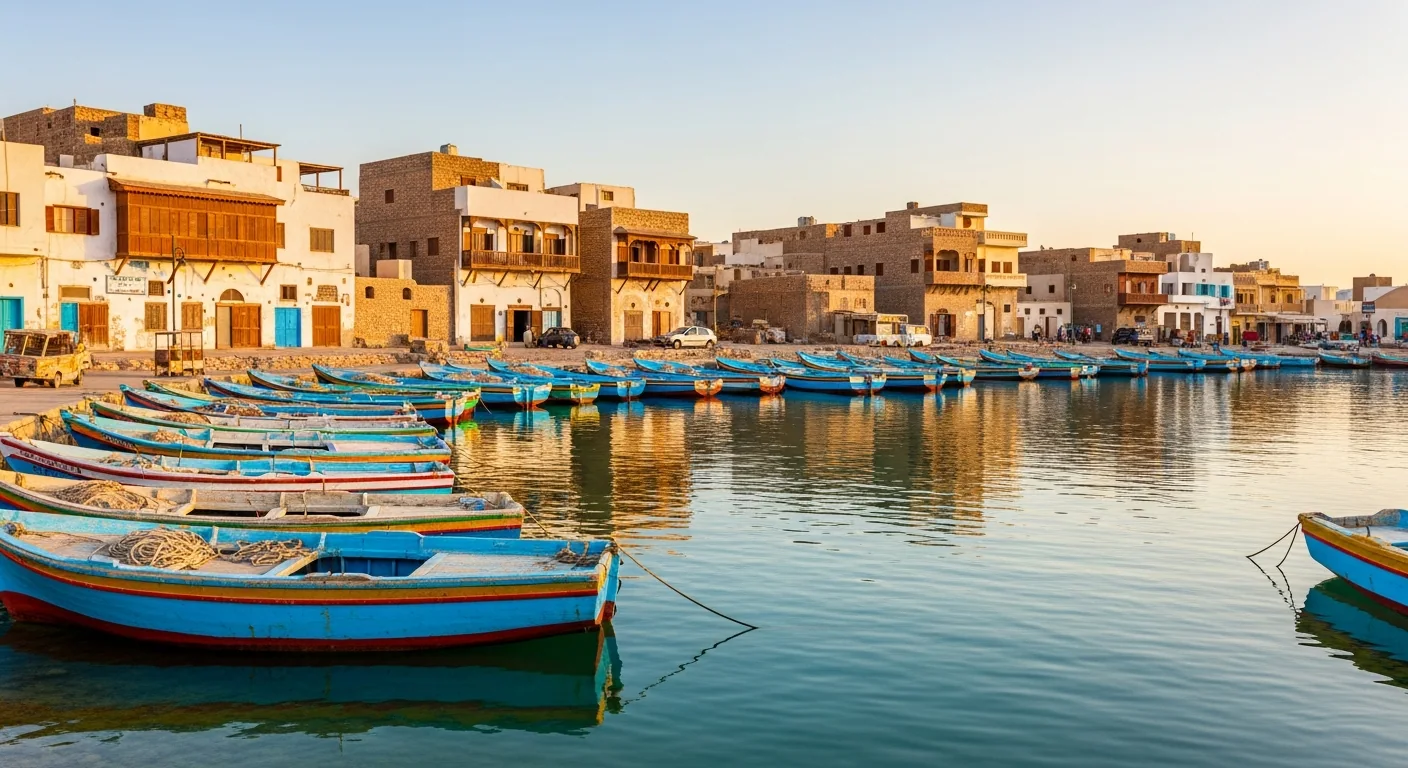
Quseir
One of the oldest ports on the African coast. Romans, Ottomans and coffee merchants all passed through here. Today it is quiet, well-preserved and largely left alone.
Two thousand years of the same port
Quseir has been a working port since the Roman period. It served as Egypt's primary Red Sea gateway for the trade routes connecting the Mediterranean with Arabia and India: spices, incense, ivory, and later the Yemeni coffee that moved through here to supply the Ottoman world. The town's position at the Red Sea end of the Wadi Hammamat, the shortest overland corridor between the Nile Valley and the coast, made it strategically important across two millennia of Red Sea commerce. Qift on the Nile and Quseir on the coast were established as paired cities to control either end of that route.
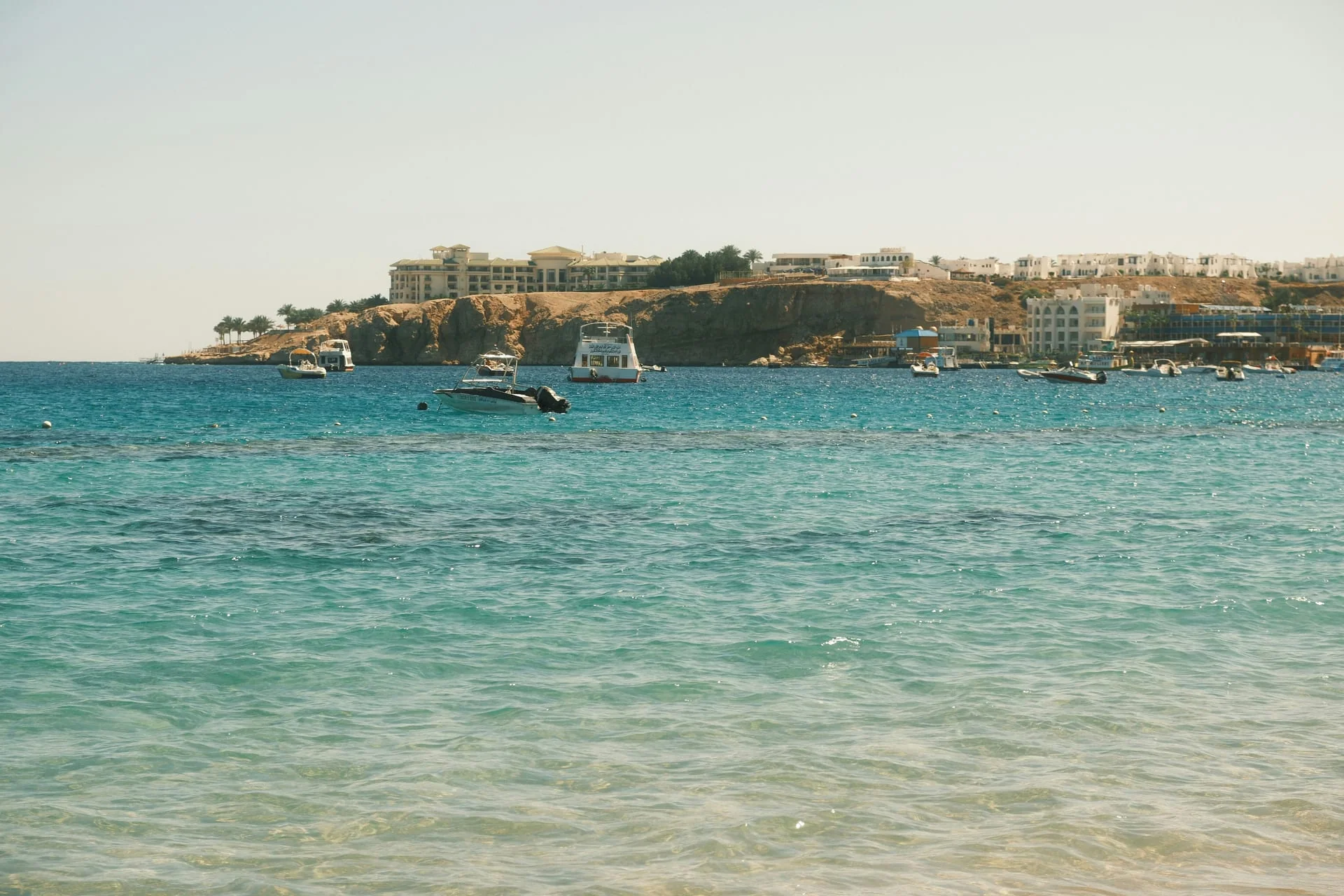
The Ottoman fort stands above the waterfront, built in the 16th century to control the approach. The coral-stone merchant houses along the old corniche are what remain of a once-significant trading quarter. Neither has been restored for tourism. They are simply still there, which is increasingly rare on this coast.
Today Quseir is a small town of around 45,000 people. It has a working fishing harbour, a phosphate processing facility on the outskirts, two boutique dive resorts to the north and south, and very little else in the way of tourist infrastructure. That absence is the point. The dive sites south of town, Green Hole and Beit Goha in particular, have survived in better condition than most northern sites specifically because the volume of visiting divers has always been low. The water is clear and the reef is intact.
Abu Dabbab, with its resident dugong population, is an hour south. Elphinstone is accessible by full-day boat trip from Quseir-based centres. For divers who want access to both without the infrastructure and crowds of Hurghada, Quseir offers a genuine alternative base.
Two boutique dive bases
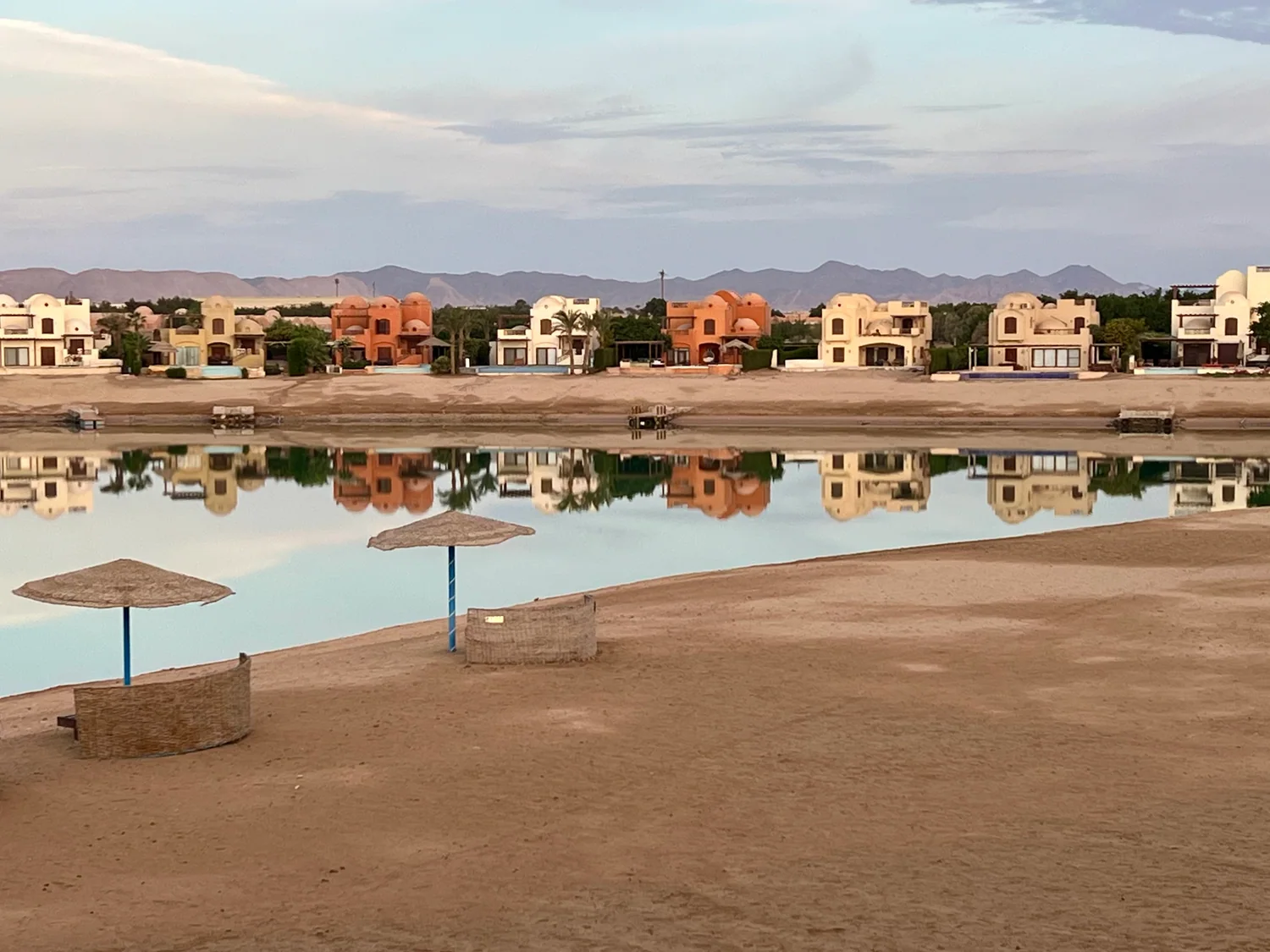
The most characterful hotel in Quseir, built in the style of a traditional Nubian village, low-rise stone-clad bungalows with domed ceilings, arranged around pools and gardens that open directly onto the beach. Situated on the Sirena Beach bay south of the old town. Extra Divers run the on-site dive centre, one of the most respected operations on the Egyptian coast.
A well-appointed 5-star beach resort with a private beach, seawater lagoon, two outdoor pools and a full spa. The more conventional resort format compared to the Mövenpick, with reliable international-chain service standards. A strong option for those who want 5-star comfort alongside the quieter atmosphere that Quseir provides.
The largest resort in Quseir by room count, with two buildings, four pools, four restaurants and a private beach. The on-site dive centre, Dive Verse, runs day trips to the offshore sites. A practical, well-priced option for those who want beach-resort comfort without the 5-star price point.
Fort, old town & reef coast
Reef, fort & nothing much else
The diving south of Quseir is some of the least-pressured reef diving on the northern Red Sea. Green Hole, Beit Goha and Sirena Beach are local dive sites that receive a fraction of the traffic of the Hurghada equivalents despite being in comparable condition. Abu Dabbab, an hour south, has resident dugong. Elphinstone is accessible by full-day boat trip from Quseir-based centres.
Quseir is one of the oldest inhabited ports on the African coast. It served as the primary Red Sea gateway for Roman trade with Arabia and India. During the Ottoman period it handled the overland Hajj route and the coffee trade out of Yemen. The fort, the coral-stone merchant houses and the fragments of Ottoman-era infrastructure in the old town are what remain of that history.
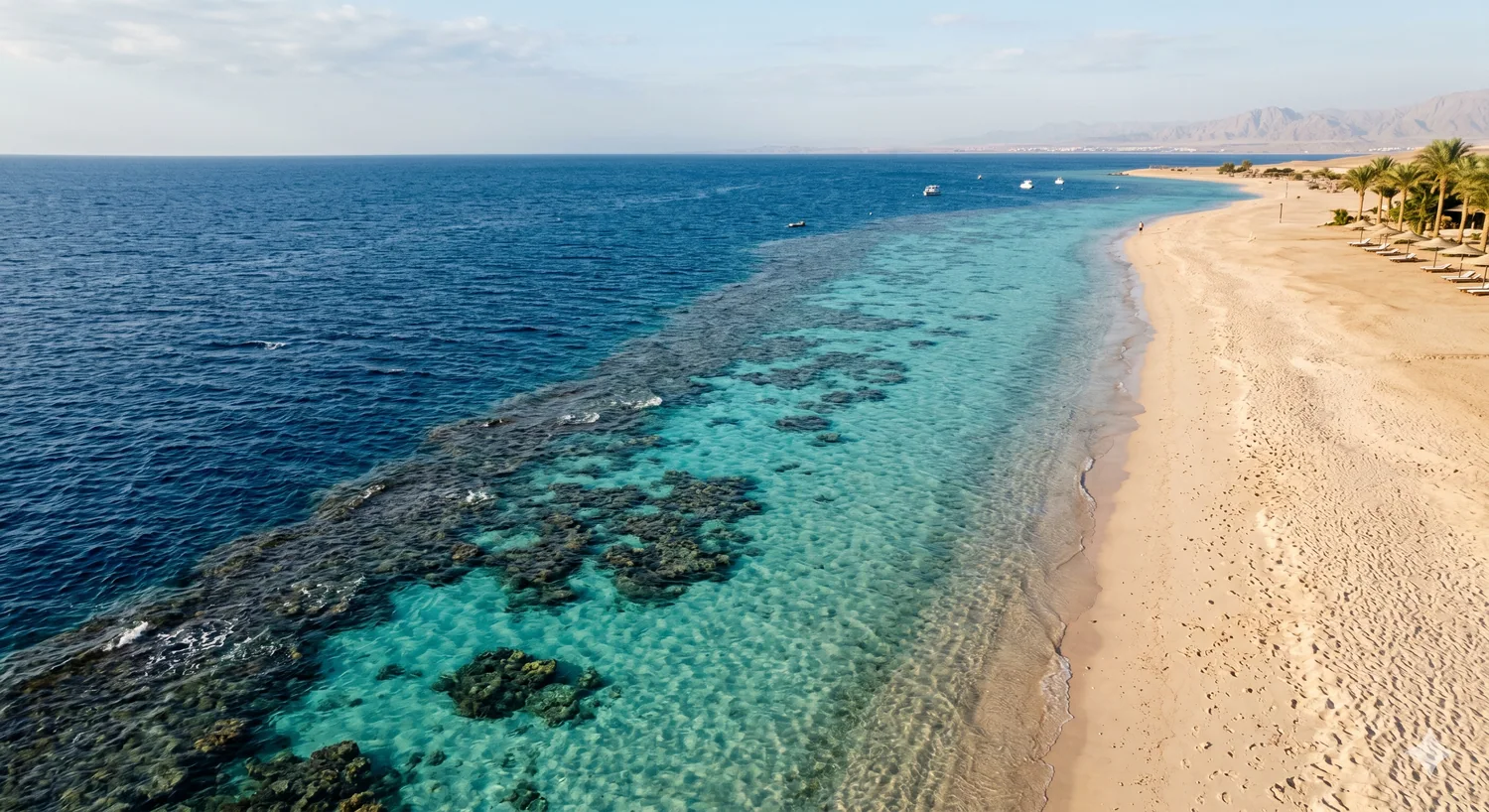
The house reef at Sirena Beach and the shallow reefs directly offshore remain in good condition. The combination of distance from Hurghada and lower visitor numbers has kept reef health higher than average for this stretch of coast.
The old town and the corniche are walkable at a pace that most Red Sea resort towns do not permit. Quseir is small enough to explore on foot in an afternoon. The market, the fort and the waterfront fishing harbour are all within easy walking distance of each other.
How to reach Quseir
Quseir sits between two airports, equidistant from neither. Marsa Alam International (RMF) is the closer option at 90km south, with direct charter flights from several European cities. Hurghada is 140km north and has far more frequent and varied connections. Most guests arriving for the dive resorts come via Marsa Alam. Independent travellers from Hurghada can take a taxi or minibus south on the coastal road. There is no public bus connection that serves the resorts directly.
Keep reading, and open the whole Atlas.
A free account unlocks every dive site guide and map, the marine life library, member reports, and the full incident log. Free to join.
Join free to keep reading