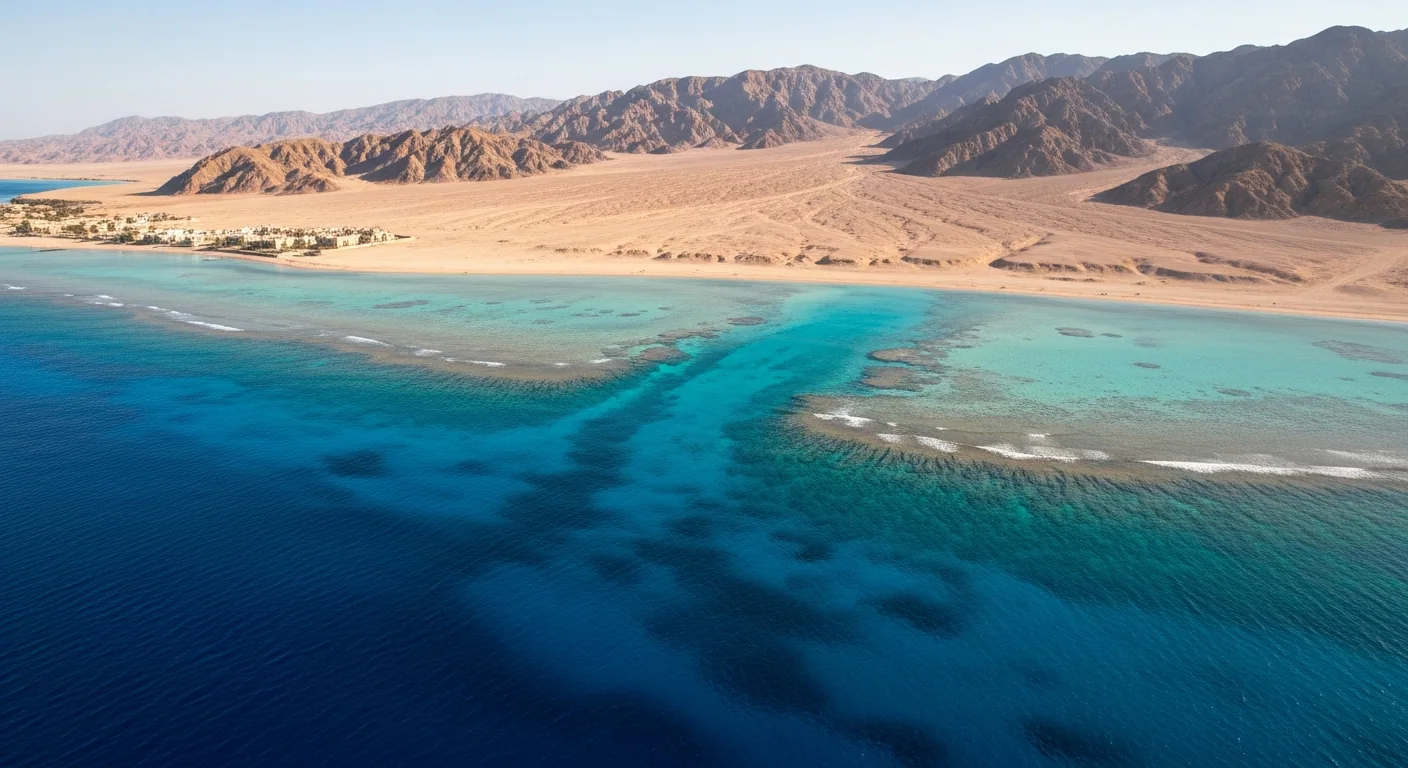
Marsa Alam
The gateway to Egypt's deep south. Dugongs at Abu Dabbab, spinner dolphins at Samadai, Elphinstone and Daedalus by day boat. The liveaboard hub for Brothers, the deep south and everything beyond.
Where the coast becomes extraordinary
Marsa Alam sits at the point where the Egyptian Red Sea coast changes character. North of here the infrastructure thickens: Hurghada's hotel strips, El Gouna's lagoons, the dense boat traffic of the northern sites. South of Marsa Alam, the coast opens into something different. The reefs are less pressured. The distances between settlements grow. The marine life, in some cases, is still present in numbers that have become rare further north.
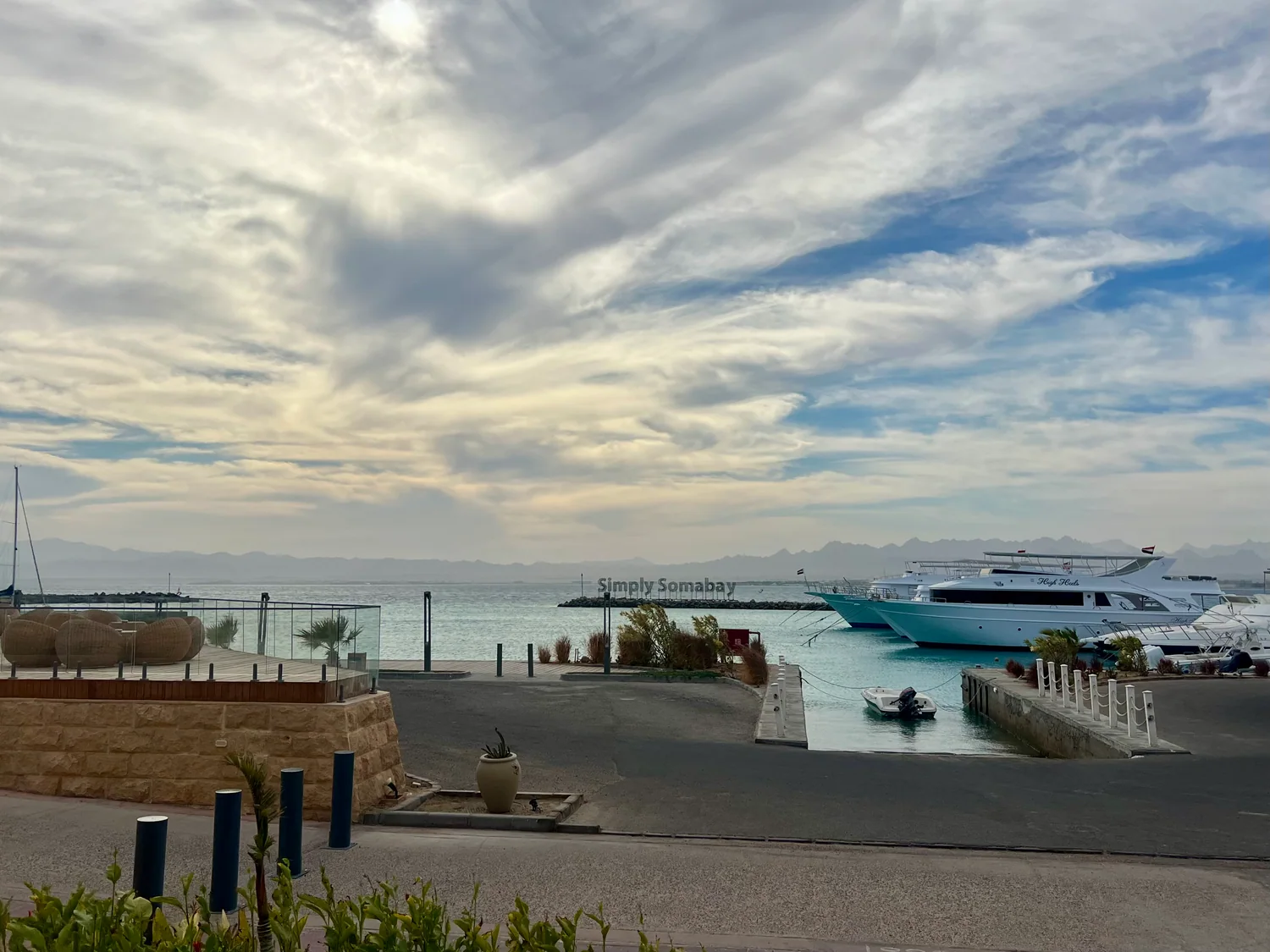
The airport, which opened in 2003, is what made Marsa Alam accessible to international visitors without the Hurghada transit. Direct charter flights from Europe now land here year-round. The connection allowed the diving industry to develop a southern hub: Port Ghalib, 10 minutes from the terminal, is the largest marina on the Egyptian Red Sea and the departure point for liveaboard vessels running the Brothers, Elphinstone and deep south itineraries.
Abu Dabbab Bay, 30km north of the town, is where the dugongs are. This is a wild population of a genuinely rare animal, sustained by the seagrass beds in the bay. They are not performing. Morning visits have the highest encounter rates, and the bay is under marine protection. The same bay has a resident population of green turtles that is among the most reliably encountered on the Egyptian coast.
Samadai Reef, known locally as the Dolphin House, is 40km south, accessible by day boat. A semi-resident pod of spinner dolphins uses the protected inner lagoon as a resting ground. The reef is divided into management zones: the inner lagoon where the dolphins rest is a no-entry zone, the outer sections are open to diving and snorkelling on a ticketed, capped-entry basis. A second dolphin reef, Sataya, lies much further south near Hamata and is a liveaboard destination.
Eco-camps, dive bases & beach resorts
Located 45km south of Marsa Alam town inside Wadi El Gemal National Park, with all 160 rooms facing the sea. All-inclusive. The house reef is one of the most easily accessible from a beach resort anywhere on the Egyptian coast, and the park location means the surrounding landscape is undeveloped. A reliable and well-established dive base.
Operated by Red Sea Diving Safari, which has run camps on this coast for more than 30 years. Beach bungalows, chalets and tents, with shared facilities across most categories. Beloved by serious divers for its exceptional house reef, night diving and the complete absence of anything designed to compete with the water. No pool, no entertainment programme. The house reef at Marsa Shagra is widely regarded as among the best immediately accessible from land on the Red Sea.
Set directly on Abu Dabbab Bay, 30km north of Marsa Alam town, the bay where the resident dugong population feeds. 50 chalets, twin and double configurations, with deluxe options facing the water. A practical base for those whose primary reason for visiting is the dugongs or the nearby reef diving.
The most substantial 5-star offering in the Marsa Alam area, set on a coral reef with direct snorkelling from the beach. Nubian-influenced architecture, full resort amenities and a reliable international standard of service. For those who want the southern Red Sea location without sacrificing hotel quality.
Dugongs, dolphins & protected reef
Reef, wildlife & open desert
Marsa Alam is the gateway to the southern Red Sea diving that most divers have read about but few have done. Elphinstone Reef, 30km north, is accessible by day boat. Daedalus Reef, offshore to the north-east, is a long day trip or overnight from Port Ghalib, one of the most consistently productive big-animal sites on the Egyptian coast. Abu Dabbab and its dugongs are a short drive. Samadai, with its resident spinner dolphins, is a day trip 40km south. Brothers Islands, St. Johns, Rocky Island and Zabargad are liveaboard destinations departing from Port Ghalib. The site variety within reach of a single base here is unmatched anywhere on the Egyptian coast.
Abu Dabbab Bay has one of the most reliable dugong populations in the northern hemisphere. These are wild animals in their natural habitat, not managed encounters, and they are not guaranteed on every visit. Morning sessions have the highest success rate. The seagrass beds that sustain the population are sensitive, and the bay is under protection.
Samadai (Dolphin House), 40km south, is the accessible dolphin site from Marsa Alam, a day trip by boat with managed entry to the reef zones. A semi-resident spinner dolphin pod uses the lagoon to rest between feeding runs. Visitor numbers are controlled and zone boundaries are enforced. Sataya, a second spinner dolphin reef further south near Hamata, is typically reached by liveaboard.
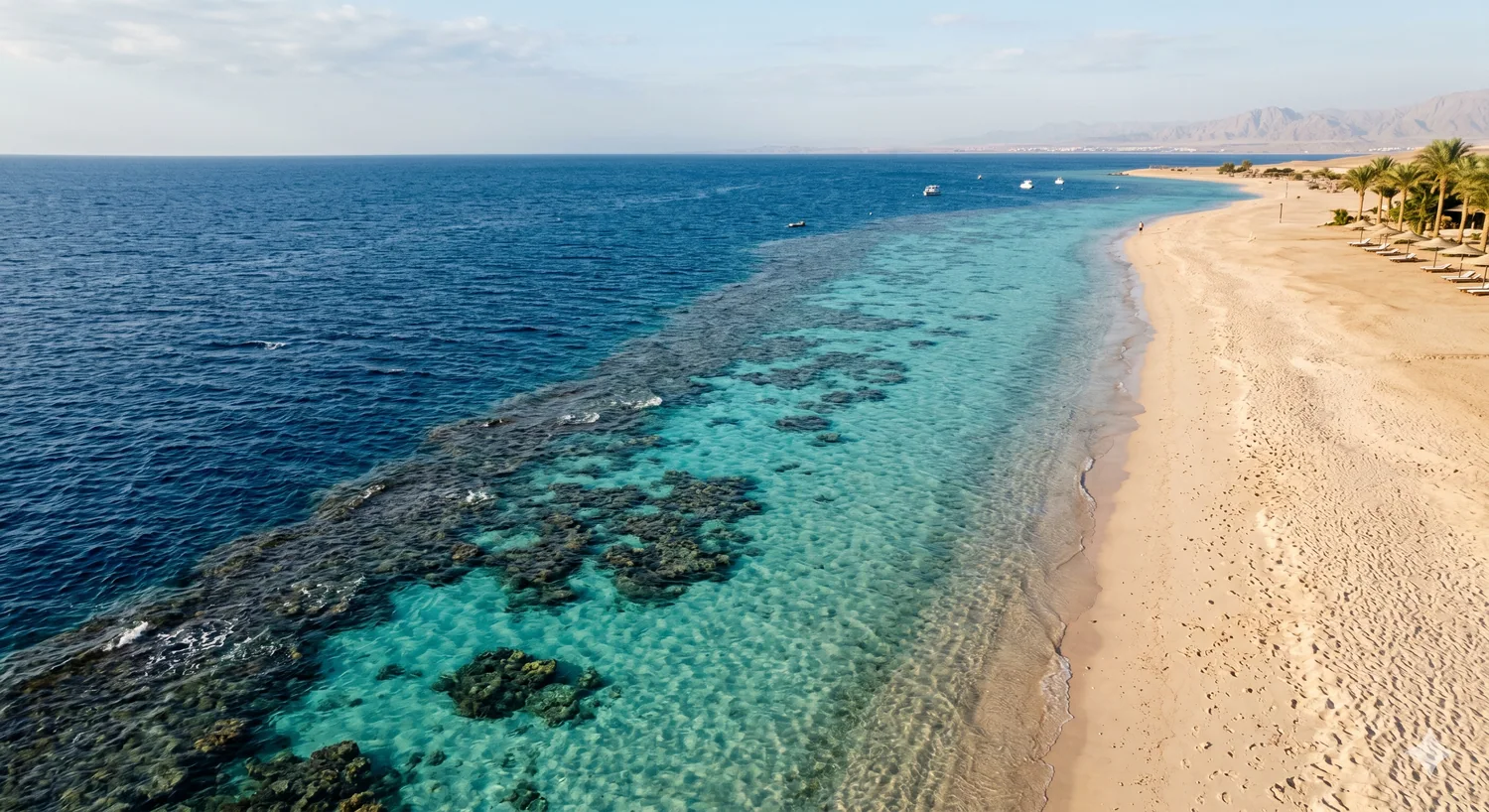
The house reefs at Marsa Shagra and Shams Alam are among the best accessible snorkelling in Egypt. Abu Dabbab Bay is snorkellable from the beach and offers turtles and occasional dugong encounters without diving equipment. The reef condition at these sites consistently outperforms the northern alternatives.
Port Ghalib is the primary southern Egyptian liveaboard departure point. Vessels running the Brothers, Elphinstone and Daedalus itinerary depart from here, as do the deep south itineraries covering St. Johns, Rocky Island, Zabargad and Fury Shoals. The combination of a functioning airport nearby and a full-service marina makes it the most practical southern liveaboard hub on the Red Sea.
The Eastern Desert behind Marsa Alam is wild, accessible and largely unvisited. Wadi el Gemal National Park extends inland from the coast, covering protected desert valley systems. Jeep excursions into the interior are offered by some of the eco-lodges and give a completely different perspective on a coastline that most visitors experience only from the water.
How to reach Marsa Alam
Marsa Alam International Airport is 10 minutes from Port Ghalib and serves direct charter and scheduled flights from across Europe. The UK, Germany and Belgium are among the most frequent charter markets. From Hurghada the drive south takes 3.5 hours on the coastal road. Cairo connections involve a domestic flight to Hurghada followed by a road transfer, or a 7-hour drive via the Sokhna Road and the coastal highway south. There is no direct Cairo to Marsa Alam road connection that avoids the Red Sea highway.
Keep reading, and open the whole Atlas.
A free account unlocks every dive site guide and map, the marine life library, member reports, and the full incident log. Free to join.
Join free to keep reading