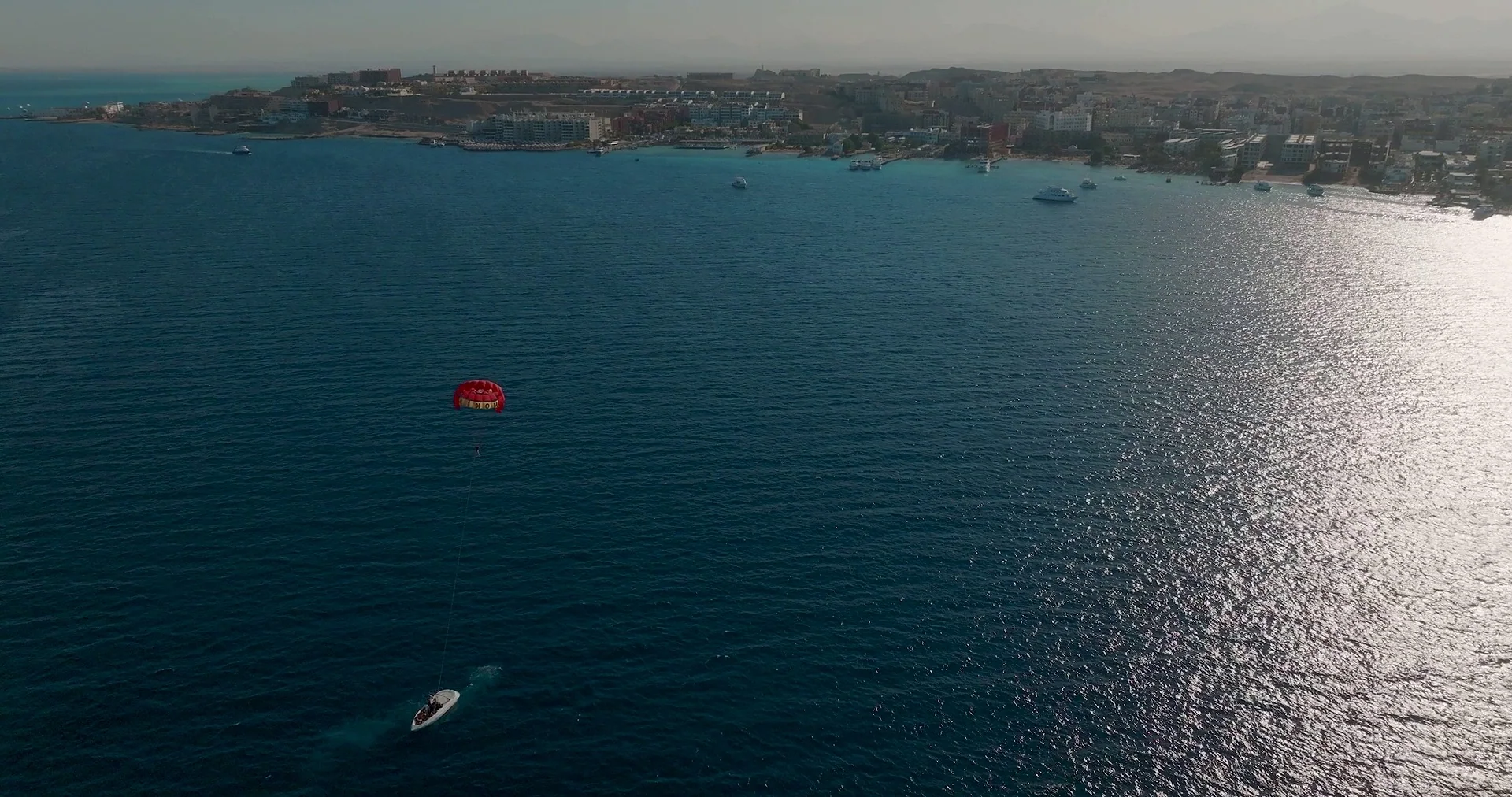
Hurghada
Where the Red Sea resort industry began. The largest diving hub on the Egyptian coast, with more boats in the water than any other port.
Where the Red Sea industry began
Hurghada is the origin point of Egyptian Red Sea tourism. What was a small fishing settlement before the 1980s is now a city of more than 250,000 people, the largest and busiest resort on the African Red Sea coast. Its growth has been fast, occasionally chaotic, and not always planned with the reef in mind. Understanding Hurghada means accepting it on those terms.
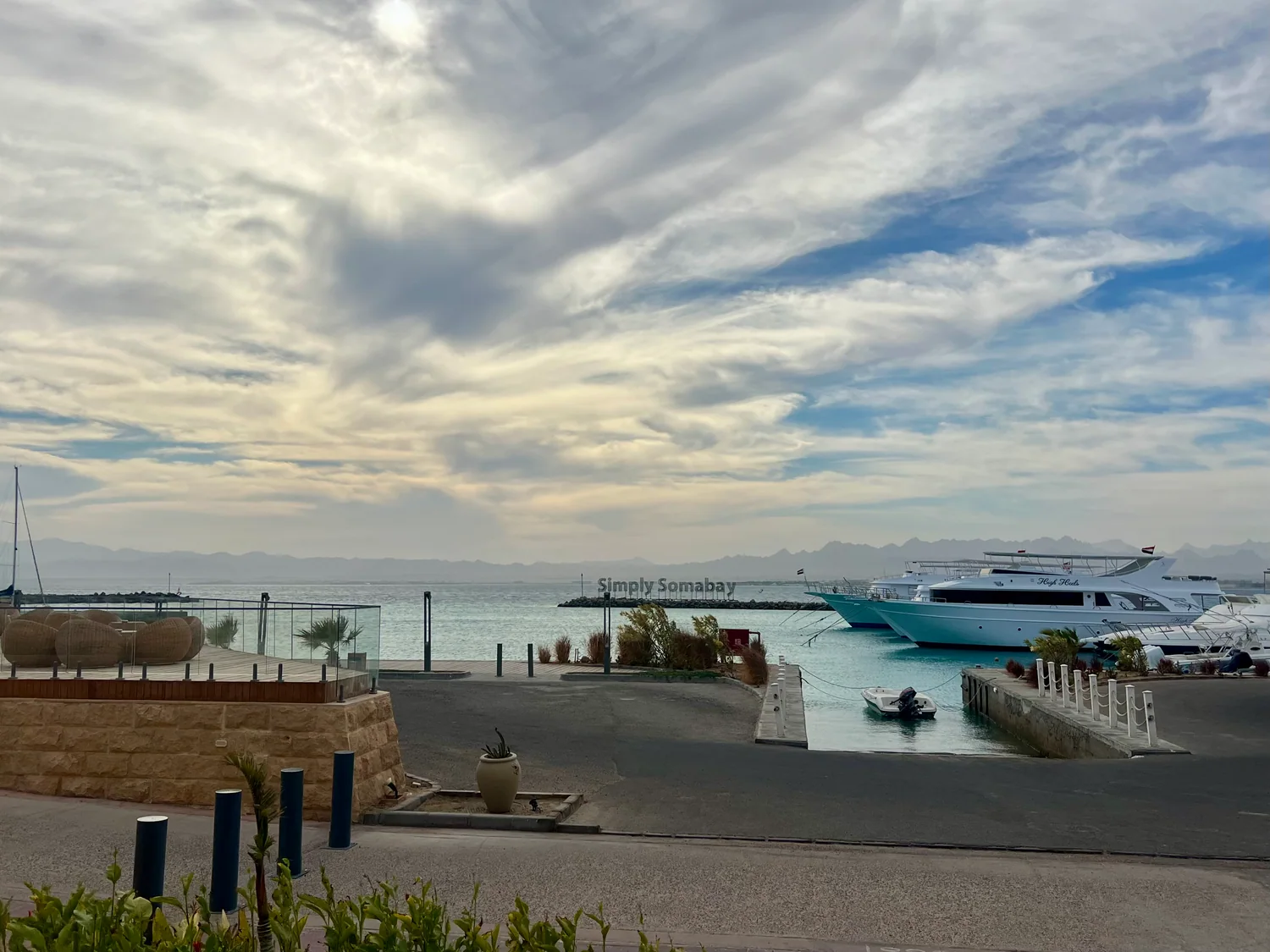
What it offers in return is unmatched logistics. More than a hundred dive centres operate here, more than anywhere else on the Red Sea. Boats run daily to Giftun Island, Sha'ab El Erg, Careless Reef, Umm Gamar and the Abu Nuhas wrecks. Liveaboard vessels depart from the marinas, Hurghada has three or four dedicated marina berths spread across the city, with the newer northern marinas handling most of the liveaboard fleet. The range of accommodation covers every category from backpacker hostels to five-star beach resorts. For anyone who wants to dive the northern Egyptian Red Sea without committing to a liveaboard, Hurghada is the practical answer.
The old town, El Dahar, is a genuine Egyptian neighbourhood that predates the tourist infrastructure by a century. The covered market, local bakeries and neighbourhood mosques are a 20-minute drive from the beach hotel strip and feel like a different country. Worth a visit to understand the coast before the resorts arrived.
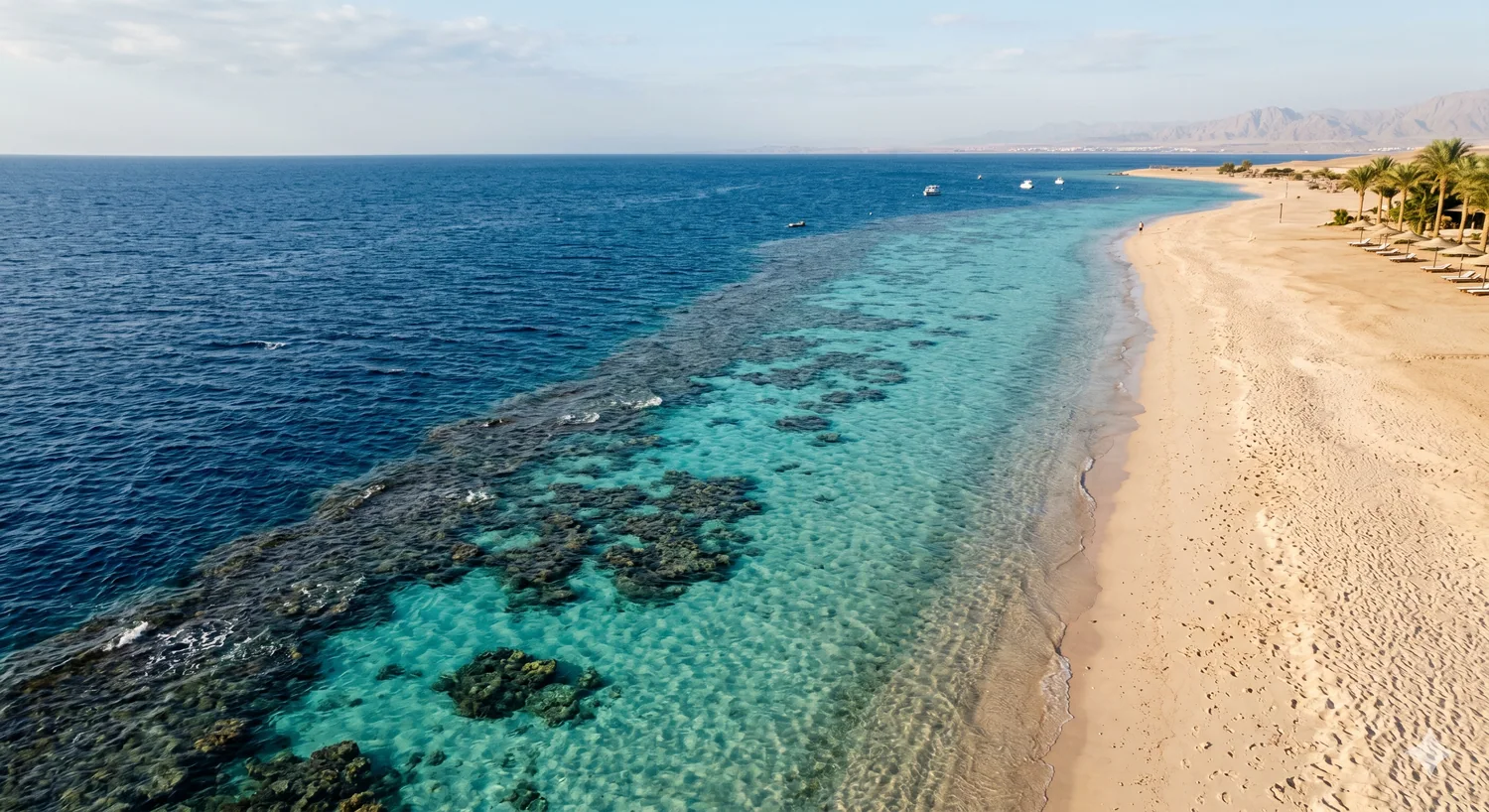
Sahl Hasheesh, 18km south of the city centre, is what Hurghada aspires to become. A planned resort bay with a long pristine beach, the Oberoi as its anchor hotel and significantly quieter conditions than the main strip. The distinction matters: Hurghada is useful, Sahl Hasheesh is beautiful. For those who can afford the Oberoi, the combination of Sahl Hasheesh quality with Hurghada dive logistics is the strongest case for the northern Red Sea.
Every category, every budget
The flagship address at the ALDAU Resort complex on the Sahl Hasheesh road. Six restaurants, a full spa, lazy river pool and a private beach. One of the most complete resort packages on the northern Egyptian Red Sea, popular with European divers and families. The same complex includes a separate adults-only property, Steigenberger Pure Lifestyle, for those who prefer an all-suite quieter experience.
Set on an isolated bay 18km south of central Hurghada at the Sahl Hasheesh development. All-suite property across 48 acres of private beach, traditional North African architecture, no children under 16. The most architecturally refined hotel on the northern Egyptian Red Sea. Hurghada access, without the noise of the city.
Positioned in El Dahar, the oldest part of Hurghada, the Plaza is the most central upscale option in the city. Walking distance to the old harbour, the Sekalla restaurant strip and the dive centres along the corniche. The most practical location for independent travellers who need city access alongside a reliable hotel.
The most popular all-inclusive on the Hurghada coast for European package holidays. A large private beach, well-organised diving and water sports, and the infrastructure to handle high volumes without losing consistency. Not a boutique experience, it is built for scale, but one of the most reliably run mass-market options on the coast.
Old town, marina & open coast
On the water, under it, after dark
Hurghada is the largest liveaboard and day-dive hub on the Red Sea. Dozens of dive centres operate from the old marina with boats running daily to Giftun Island, Sha'ab El Erg, Careless Reef and Umm Gamar. Abu Nuhas wrecks are accessible by day trip. It is the most logistically convenient dive base on the Egyptian coast.
Giftun Island, a 40-minute boat ride from the marina, offers some of the most accessible snorkelling on the northern Red Sea. Glass-bottom boat trips to the island run daily. House reefs at several hotels remain in reasonable condition.
Hurghada has a developing kite scene, with the lagoons south of the city offering protected flat water for beginners. The dedicated kite schools at El Gouna to the north are the stronger destination for serious kiters, but Hurghada serves the beginner market well.
Charter boats operate from the old marina targeting king mackerel, grouper and tuna on the offshore reefs. A full-day offshore fishing trip from Hurghada covers the same grounds as the El Gouna charters. The marina fishing community is active year-round.
Several large water parks operate on the outskirts of the city, aimed at families and package holiday guests. The largest has wave pools, slides and a full day's entertainment for children. A practical option on rest days.
The desert interior begins immediately behind the coast. Quad bike excursions, camel rides and jeep safaris into the Eastern Desert are widely available and run from most hotels. The contrast between the reef coast and the immediate interior desert is striking.
Hurghada has the most active nightlife on the Egyptian Red Sea outside of Sharm el-Sheikh. The Sakalla strip runs late, beach clubs with live music operate through the summer months, and the city has enough population and visitor numbers to sustain a genuine late-night economy year-round.
How to reach Hurghada
Hurghada International Airport is within the city boundaries, 10 minutes from the main hotel strip. It is one of the most connected airports on the Egyptian coast, with direct charter and scheduled flights from across Europe throughout the year. The German market is the largest, followed by the UK, Netherlands and Eastern Europe. From Cairo, the choice is a short domestic flight or the Sokhna road, which runs the length of the Gulf of Suez and takes five hours in reasonable traffic.
Keep reading, and open the whole Atlas.
A free account unlocks every dive site guide and map, the marine life library, member reports, and the full incident log. Free to join.
Join free to keep reading